01 / Scenario
STUDIO
P
High-End Pilates Studios
Premium aesthetics meet quiet operation for boutique studio environments.
ISO
9001
CE
Certified
OEM
Available
10YR
Warranty
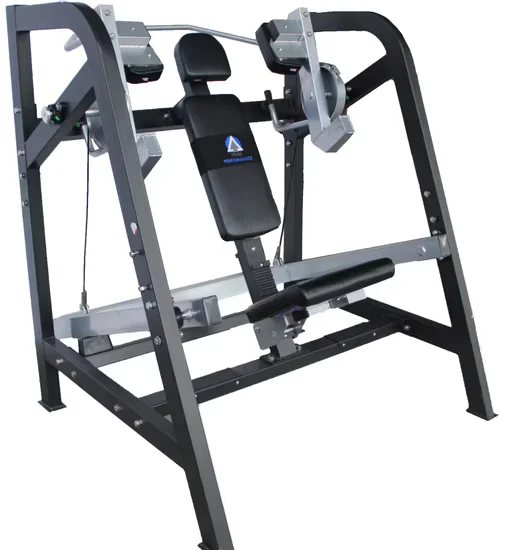
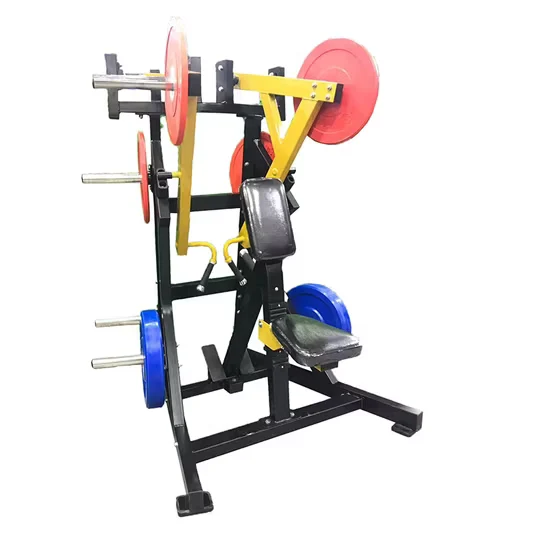
Plate Loaded Low Row Machine, 1250×1056×1700mm, 139kg Net Weight — engineered with plate loaded resistance targeting back muscles, built from industrial steel with ISO 9001 and CE certification for commercial gym environments. Each unit undergoes three-stage QC inspection with full load testing before shipment to ensure structural integrity under high-traffic use.
// Spec Highlights
• Direct from Manufacturer · No Middlemen · Worldwide Shipping
01
// Material
Imported Solid Wood
Premium hardwood frames sourced for density and visual warmth.
02
// Hardware
Medical-Grade Silent
Whisper-quiet pulleys and springs for clinical environments.
03
// Customization
Appearance OEM
Color, upholstery, and branding tailored to your studio.
04
// Service
Layout Design
Free venue planning for studios and rehab institutions.
Every component is selected for longevity, performance, and aesthetic harmony - from imported hardwood frames to silent medical-grade accessories.
// Features
Continuous Robotic MIG Welds — Every frame joint on this plate loaded low row machine uses continuous weld lines with no spot-weld weak points, eliminating fatigue cracks under repetitive loading.
| Parameter | Value |
|---|---|
| Product Type | Plate Loaded Low Row Machine |
| Loading Type | Plate Loaded |
| Exercise Part | Back |
| Product Dimensions | 1250×1056×1700mm |
| Net Weight | 139kg |
| Material | Steel |
| Certification | ISO 9001, CE |
| HS Code | 9506911900 |
| Production Capacity | 500 Pieces Per Month |
| Appliance | Gymnasium, Home |
| Facility Type | Typical Use |
|---|---|
| Commercial Gym Strength Floor | Primary back training station in free-weight and plate-loaded zones |
| Hotel Fitness Center | Durable back-strengthening equipment for diverse guest usage patterns |
| University Athletic Department | High-volume training for strength and conditioning programs |
| Home Gym | Heavy-duty back development for serious residential users |
Many manufacturers label equipment as commercial grade without disclosing actual steel gauge or tube dimensions — this plate loaded low row machine addresses that gap with verifiable Q235 and Q345 industrial steel sourcing.
The difference lies in traceable material certification and continuous welding that resists deformation under heavy plate loading.
When a low row frame flexes during a 200kg pull, the stress concentrates at welded joints. Spot welds pass visual inspection but develop micro-cracks after thousands of loading cycles in high-traffic environments. Robotic MIG welding produces continuous bead lines that distribute stress across the entire joint, preventing the fatigue failures that lead to frame replacement. Sealed pivot bearings maintain alignment where unsealed bushings develop play within months of commercial use, causing handle wobble and uneven cable tracking. [NEED_CITE: weld classification and fatigue performance in structural steel]
This plate loaded low row machine targets the latissimus dorsi, rhomboids, and rear deltoids through a converging horizontal pull pattern. The iso-lateral design allows unilateral or bilateral loading, accommodating users with strength imbalances. In a commercial strength floor layout, it complements vertical pull stations and chest-supported row machines by providing a distinct movement vector. The 1250×1056mm footprint fits standard 3×3 inch frame spacing protocols, maintaining safe clearance between adjacent stations in high-density configurations.
Plate loaded equipment endures static weight placement, dynamic pulling forces, and eccentric loading when users release handles mid-repetition. The frame experiences torsional stress during unilateral pulls, concentrating force at the pivot bearing housing and base welds. In high-traffic facilities operating 8+ hours daily, these loading cycles accumulate rapidly — a station serving 40 users per day undergoes approximately 12,000 rep cycles monthly. Unsealed bearings allow gym dust and metal particulates to infiltrate pivot points, accelerating wear and creating the handle play that signals premature maintenance needs. The 200μm powder coating must resist chipping at plate loading horns and handle contact points where bare steel exposure leads to corrosion. [NEED_CITE: bearing seal requirements for high-particulate environments]
The 3×3 inch frame tube with 11-gauge wall thickness provides a specific section modulus that determines resistance to bending under load. Thinner wall tubes deflect visibly at 150kg+ plate loads, creating a perception of instability even when structural failure has not occurred. Continuous robotic MIG welding eliminates cold joints — incomplete fusion zones that act as crack initiation points under cyclic loading. Sealed industrial bearings at pivot points maintain rotational accuracy by excluding contaminants, whereas open bushings require frequent disassembly for cleaning and lubrication. The sandblast pre-treatment before powder coating removes mill scale and creates anchor profile for coating adhesion, preventing the chip-and-peel failures that expose bare steel at high-contact areas.
Thin-wall frame tubes that appear adequate at static load develop visible deflection under commercial plate loading, leading to user complaints about equipment feel and eventual frame replacement. Spot-weld failures at stress concentration points create liability exposure when frames separate during use. Non-sealed bearings that develop play within six months generate maintenance calls and replacement part costs that exceed the initial savings from cheaper component specification. Low-density upholstery that compresses permanently after months of use requires replacement cycles that disrupt facility operations. Powder coating that chips at contact points exposes bare steel to sweat and cleaning chemicals, accelerating corrosion that compromises structural appearance and user confidence. [NEED_CITE: powder coating adhesion standards for fitness equipment]
Every frame on this plate loaded low row machine uses mill-certified Q235/Q345 steel with documentation traceable to coil origin, providing verifiable material specification rather than vague commercial grade claims. Robotic MIG welding produces continuous weld lines inspected for complete fusion, eliminating the spot-weld weak points that fail under repetitive loading. Each unit undergoes three-stage QC inspection with load testing before shipment, confirming structural integrity rather than relying on sample-based quality assurance. The 200μm industrial powder coating with sandblast pre-treatment resists chipping and corrosion in high-traffic environments. Floor planning CAD support ensures proper equipment spacing and safe clearance between stations, preventing the unusable gaps and unsafe pathways that result from equipment sized without layout consideration.
Provide your strength zone floor area and equipment list to receive 2D-3D layout planning that optimizes station spacing and traffic flow. Specify average daily user volume to match structural grade with actual usage intensity. Indicate target user anthropometric range to confirm handle adjustment and seat positioning accommodate your population. Custom color, logo placement, and upholstery density options are available for facility branding requirements.
Q: How does continuous robotic MIG welding differ from spot welding in plate loaded equipment?
A: Robotic MIG welding produces continuous bead lines along entire joints, distributing stress evenly and preventing crack initiation. Spot welding creates discrete fusion points that act as stress concentrators under cyclic loading, developing fatigue cracks after repeated use in commercial environments.
Q: What frame steel specification prevents deflection under heavy plate loading?
A: 11-gauge steel with 3×3 inch tube dimensions provides adequate section modulus to resist visible bending at 150kg+ loads. Thinner wall tubes deflect noticeably under commercial loading, creating instability perception even without structural failure.
Q: How do sealed bearings reduce maintenance in high-traffic facilities?
A: Sealed industrial bearings exclude gym dust and metal particulates that infiltrate open bushings, maintaining rotational accuracy without frequent disassembly. Unsealed bearings develop play within months as contaminants accelerate wear at pivot points.
Q: What powder coating thickness prevents chipping at contact points?
A: 200μm industrial powder coating with sandblast pre-treatment creates sufficient thickness and adhesion to resist chipping at plate loading horns and handle contact areas. Thinner coatings expose bare steel to sweat and cleaning chemicals, accelerating corrosion.
Premium aesthetics meet quiet operation for boutique studio environments.
Medical-grade silence and precision for sports & postpartum recovery.
Furniture-grade craftsmanship for premium residential installations.
Compact premium setups for one-on-one and small-group training.
Aesthetic Pilates integration for hybrid wellness studio programming.
Multi-unit deployment with instructor-grade reliability for certification programs.
Tell us about your project. Our team will respond within 24 hours with pricing, customization options, and shipping details.
// Sales Director
William
+86 132 2531 1800
// Export Manager
Bella
+86 198 5412 8032
william@bickfit.com