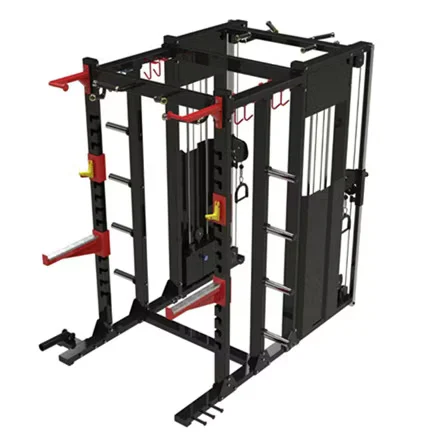
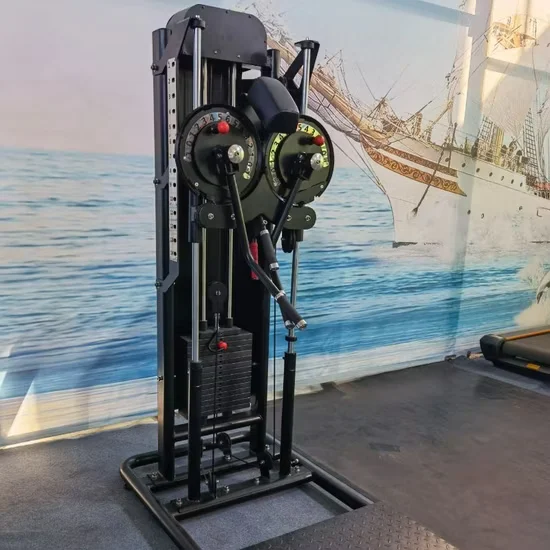
01 / Scenario
STUDIO
P
High-End Pilates Studios
Premium aesthetics meet quiet operation for boutique studio environments.
ISO
9001
CE
Certified
OEM
Available
10YR
Warranty
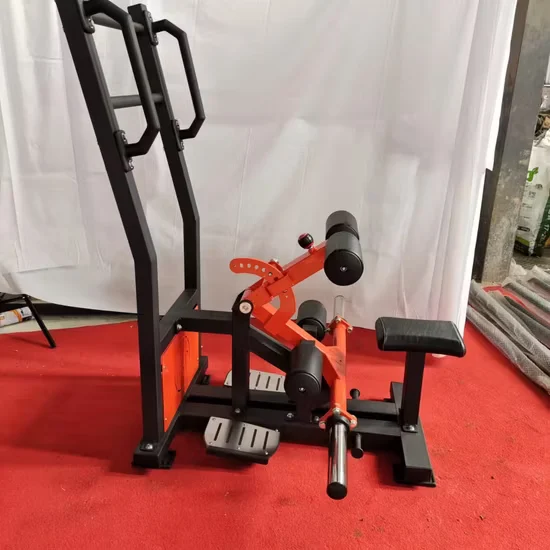
Standing Hip Thrust Machine, 50×100×3mm Frame Tube, Plate Loaded — engineered with verifiable steel tubing and continuous robotic MIG welding to eliminate spot-weld fatigue under repetitive heavy glute loading. The plate-loaded resistance system avoids guide rod binding common in pin-select units, supporting progressive overload in high-traffic environments. Every unit undergoes individual load testing before shipment to confirm structural integrity for commercial gym use.
// Spec Highlights
• Direct from Manufacturer · No Middlemen · Worldwide Shipping
01
// Material
Imported Solid Wood
Premium hardwood frames sourced for density and visual warmth.
02
// Hardware
Medical-Grade Silent
Whisper-quiet pulleys and springs for clinical environments.
03
// Customization
Appearance OEM
Color, upholstery, and branding tailored to your studio.
04
// Service
Layout Design
Free venue planning for studios and rehab institutions.
Every component is selected for longevity, performance, and aesthetic harmony - from imported hardwood frames to silent medical-grade accessories.
// Features
50×100×3mm Frame Tubing — Verifiable steel specifications with mill certification traceable to the coil, ensuring structural rigidity for repetitive heavy glute training without frame flex.
| Parameter | Value |
|---|---|
| Product Type | Plate Loaded Glute Machine |
| Frame Tube Size | 50×100×3mm |
| Loading Type | Plate loaded |
| Exercise Part | Leg / Glute |
| Machine Weight | 70kgs |
| Product Dimensions | 2405×1485×1505mm |
| Power Source | Manual |
| Material | Iron |
| Color Options | Customized |
| Customization | Available |
| Assembly State | Unfolded |
| Certification | RoHS, ISO9001, CE |
| Facility Type | Typical Use |
|---|---|
| Commercial gym strength floor | Dedicated glute and lower-body station for high-traffic environments |
| Community fitness center | Accessible plate-loaded hip extension training for diverse membership |
| Strength-focused home gym setups | Compact footprint for serious lower-body programming |
| University strength and conditioning room | Durable equipment for athletic department glute development |
| Hotel fitness center | Reliable glute training option for transient guest usage |
Many manufacturers label equipment "commercial-grade" without providing verifiable steel specifications — the commercial plate loaded standing hip thrust machine addresses this by using 50×100×3mm frame tubing with mill certification traceable to the coil. Verifiable frame specifications prevent lateral deflection during heavy glute training.
Lower-tier machines often quote tube dimensions without wall thickness documentation, leaving buyers unable to assess true load capacity. When operators load 200kg+ plates for hip thrust movements, inadequate frame rigidity becomes immediately apparent through visible frame flex and joint play development. The 50×100×3mm rectangular tubing provides higher moment of inertia compared to standard 50×50 or 50×75 profiles, reducing lateral deflection under eccentric loading patterns. [NEED_CITE: structural engineering principles for rectangular tube section modulus in fitness equipment]
The commercial plate loaded standing hip thrust machine occupies a specific movement plane focused on hip extension through unilateral or bilateral standing positions. This equipment complements traditional barbell hip thrust benches and cable-based glute machines by offering a different resistance curve and body positioning. The 2405×1485×1505mm footprint requires adequate clearance for plate loading access and user movement around the station. Facilities with high daily usage benefit from the plate-loaded design, which eliminates weight stack limitations and allows progressive overload beyond typical pin-select capacities.
Standing hip*g forces concentrated at the frame junctions and pivot points. The 50×100×3mm frame tubing must resist both static loads from stacked plates and dynamic forces from repetitive hip extension movements. Continuous welding at stress concentration points prevents the fatigue cracks that develop in spot-welded frames under cyclic loading. Load horns experience repeated plate insertion impact, requiring reinforced mounting points and adequate steel thickness to prevent deformation over time. The powder coating at high-contact areas must resist chipping from plate contact and cleaning chemicals. [NEED_CITE: fatigue analysis of welded steel structures under cyclic loading conditions]
The 50×100×3mm frame tube dimensions directly influence the equipment’s resistance to bending and torsional forces. The 100mm depth provides substantial section modulus for resisting vertical deflection, while the 3mm wall thickness ensures the tube maintains structural integrity without excessive weight. Plate-loaded resistance eliminates guide rod binding issues common in selectorized machines, particularly when users load plates asymmetrically. The manual power source and unfolded assembly state indicate a straightforward installation process with minimal mechanical complexity. Iron construction with customized color options allows facilities to match existing equipment aesthetics while maintaining structural requirements.
Frame tubing with insufficient wall thickness visibly deflects under heavy plate loads, creating unsafe training conditions and accelerating wear at pivot points. Spot-welded joints crack under repetitive loading cycles, requiring costly field repairs or complete frame replacement. Non-sealed bearings develop play within months of commercial use, creating joint misalignment and uncomfortable movement patterns. Low-density padding compresses permanently under daily use, requiring frequent replacement that disrupts equipment availability. Thin powder coating chips at contact points, exposing bare steel to corrosion from sweat and cleaning chemicals. [NEED_CITE: maintenance cost analysis of commercial fitness equipment structural failures]
The 50×100×3mm frame tubing with mill certification provides verifiable structural specifications that justify commercial-grade classification. Continuous MIG welding throughout the frame eliminates weak points associated with spot welding, ensuring long-term structural integrity under repetitive loading. Each unit undergoes load testing before shipment, confirming performance standards rather than relying on sample-based quality control. The 2405×1485×1505mm dimensions require careful floor planning to ensure adequate safety clearances around the standing hip thrust station. Customization options for color and branding allow integration with existing facility aesthetics while maintaining structural performance standards.
Q: How do frame specifications differentiate commercial-grade from light-commercial hip thrust equipment?
A: Commercial plate loaded standing hip thrust machines require verifiable frame tube dimensions including wall thickness, not just outer measurements. The 50×100×3mm specification provides documented structural capacity through mill certification traceable to the steel coil. Light-commercial equipment often omits wall thickness data, making it impossible to assess true load-bearing capability for heavy glute training applications.
Q: What advantages does plate-loaded resistance offer over selectorized weight stacks for hip thrust training?
A: Plate-loaded designs eliminate guide rod binding issues that develop when users load weight asymmetrically on selectorized machines. The commercial plate loaded standing hip thrust machine allows progressive overload beyond typical pin-select limitations, accommodating strength development without mechanical constraints. This design also simplifies maintenance by removing cable and pulley systems that require regular inspection and replacement in high-traffic environments.
Q: How do tube size and wall thickness affect equipment stability during heavy hip thrust movements?
A: The 50×100×3mm frame tubing provides higher moment of inertia compared to smaller profiles, resisting lateral deflection during unilateral and bilateral hip thrust exercises. The 100mm depth creates substantial section modulus for vertical load resistance, while 3mm wall thickness maintains structural integrity without excessive weight. These specifications ensure the frame remains rigid under 200kg+ plate loads typical in commercial glute training.
Q: What spatial requirements ensure safe operation of standing hip thrust equipment?
A: The 2405×1485×1505mm dimensions require minimum 600mm clearance on all sides for safe plate loading access and user movement. Floor planning must account for the standing exercise position, which requires more surrounding space than seated equipment. Proper spacing prevents interference with adjacent stations and ensures users can safely load and unload plates without obstruction from other equipment or facility traffic patterns.
Premium aesthetics meet quiet operation for boutique studio environments.
Medical-grade silence and precision for sports & postpartum recovery.
Furniture-grade craftsmanship for premium residential installations.
Compact premium setups for one-on-one and small-group training.
Aesthetic Pilates integration for hybrid wellness studio programming.
Multi-unit deployment with instructor-grade reliability for certification programs.
Tell us about your project. Our team will respond within 24 hours with pricing, customization options, and shipping details.
// Sales Director
William
+86 132 2531 1800
// Export Manager
Bella
+86 198 5412 8032
william@bickfit.com