01 / Scenario
STUDIO
P
High-End Pilates Studios
Premium aesthetics meet quiet operation for boutique studio environments.

ISO
9001
CE
Certified
OEM
Available
10YR
Warranty
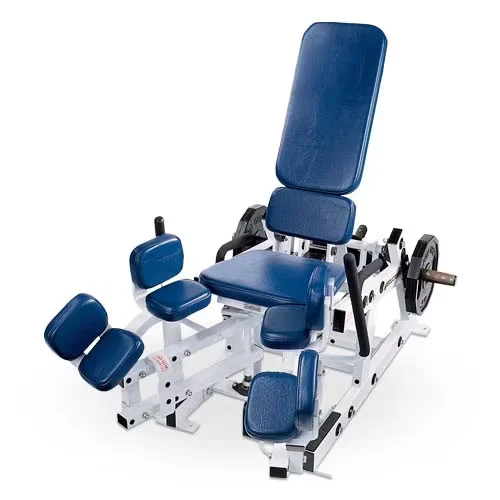
Commercial Seated Dip Machine, 1833×1492×1110mm, 163kg Net Weight — selectorized triceps station built with 11-gauge steel frames and robotic MIG continuous welding for high-traffic commercial environments. Sealed industrial bearings and aircraft-cable pulley systems deliver smooth, play-free movement through repetitive loading cycles. Every unit undergoes individual load testing before shipment, backed by a 10-year frame warranty and full floor planning support.
// Spec Highlights
• Direct from Manufacturer · No Middlemen · Worldwide Shipping
01
// Material
Imported Solid Wood
Premium hardwood frames sourced for density and visual warmth.
02
// Hardware
Medical-Grade Silent
Whisper-quiet pulleys and springs for clinical environments.
03
// Customization
Appearance OEM
Color, upholstery, and branding tailored to your studio.
04
// Service
Layout Design
Free venue planning for studios and rehab institutions.
Every component is selected for longevity, performance, and aesthetic harmony - from imported hardwood frames to silent medical-grade accessories.
// Features
Traceable 11-gauge steel — every frame tube on this commercial seated dip machine is milled from Q235 coil stock with heat numbers logged back to the slab, so gauge claims are verifiable rather than marketing language.
| Parameter | Value |
|---|---|
| Product Type | Selectorized Triceps Extension Machine |
| Frame Steel Gauge | 11-gauge |
| Frame Tube Size | 3×3 inch |
| Steel Grade | Q235 |
| Welding Type | Robotic MIG, continuous weld |
| Bearing Type | Sealed industrial bearings |
| Pulley System | Aircraft-cable pulley system |
| Loading Type | Selectorized pin-select |
| Product Dimensions | 1833×1492×1110 mm |
| Net Weight | 163 kg |
| Powder Coating | 200μm, sandblast pre-treated |
| Certification | ISO 9001, CE |
| OEM/ODM | Available |
| Facility Type | Typical Use |
|---|---|
| Commercial gym strength floor | Dedicated triceps isolation station in high-traffic arm zones |
| Hotel and resort fitness center | Durable single-station option for diverse guest populations |
| University strength and conditioning room | Supports structured arm-day programming for athletic departments |
| Community fitness center | Pin-select convenience for multi-user shared environments |
Continuous robotic MIG welding eliminates the fatigue crack origin that spot welds create under cyclic triceps loading.
A commercial seated dip machine sees repetitive eccentric-to-concentric cycling every rep, and every rep loads the frame through the pivot axis and the press arm bracket. Spot welds at those junctions concentrate stress at the nugget edge; over thousands of cycles in a busy gym, micro-cracks propagate from the heat-affected zone until a visible fracture appears — often with no warning sound. Robotic MIG lays a continuous bead along the full joint length, distributing stress across the entire throat of the weld rather than a single point. [NEED_CITE: weld classification and fatigue performance in structural steel joints under cyclic loading]
This selectorized unit occupies the triceps isolation plane, complementing plate-loaded pressing stations and cable columns already present on a commercial gym strength floor. The pin-select stack removes the loading and unloading friction that slows throughput during peak hours, making it suitable for facilities running 200+ daily visits. The converging press path accommodates a wide range of shoulder widths and arm lengths without requiring seat-height micro-adjustment for every user.
Every dip repetition drives an eccentric shock load into the pivot bushing area and the base frame when the user reverses direction at the bottom of the stroke. Over a 10-hour operating day, that cyclic loading accumulates into thousands of stress reversals per week. Unsealed bearings in the pivot and pulley systems allow gym dust and chalk residue to infiltrate, creating abrasive wear that develops measurable play within months. The 200μm powder coating at grip contact points and pad mounting zones must resist chipping from repeated hand contact and cleaning chemical exposure, or bare steel is exposed to sweat-induced corrosion. [NEED_CITE: bearing seal performance in high-particulate commercial fitness environments]
The 11-gauge, 3×3 inch frame tube sets the deformation threshold — under a 150kg stack load applied through the press arm, the tube wall must resist ovalization at the mounting bracket. Thinner gauge or smaller cross-section tubing will deflect measurably before the user reaches peak contraction, compromising the resistance curve. The sealed industrial bearings at the pivot point and within the aircraft-cable pulley system maintain rotational precision without lubrication maintenance, unlike open bushings that require periodic greasing and still degrade in dusty environments. The sandblast pre-treatment before powder coating creates a mechanical anchor profile that prevents the coating from peeling at high-contact edges, which is where corrosion typically initiates on dip machines. [NEED_CITE: surface preparation standards for industrial powder coating adhesion on structural steel]
Frames built from lighter-gauge tubing deflect under heavy stack loads, creating a spongy feel that experienced users immediately recognize as low quality — and that deflection accelerates wear at every joint and bearing seat. Spot-welded frames that crack at the pivot bracket create a liability event, not just a warranty claim. Non-sealed bearings that develop play within the first year force the facility into reactive maintenance cycles, pulling the machine offline and requiring bearing replacement that often damages the housing. Thin powder coating that chips at the grip area exposes bare steel to hand sweat, producing rust stains that migrate onto user clothing and generate replacement complaints.
Every frame tube on this commercial seated dip machine is 11-gauge Q235 steel with mill certification traceable to the coil number, so the gauge specification is auditable rather than assumed. Robotic MIG welding produces continuous weld lines on every structural joint, verified through the three-stage QC process that includes load testing on each unit before shipment. The 200μm industrial powder coating with sandblast pre-treatment is applied in-house, and the 10-year frame warranty backs the structural integrity of that combination. For facilities planning a full arm zone, 2D-3D CAD layout support ensures this commercial seated dip machine is positioned with correct clearance from adjacent stations and safe traffic flow around the press arm arc. OEM private label and custom color matching are available for chain operators maintaining brand consistency across locations.
Provide the total strength zone area and current equipment list to receive a 2D-3D layout showing where this commercial seated dip machine fits with proper clearances. Specify average daily user volume so the structural grade and bearing specification can be matched to your traffic intensity. Indicate any OEM requirements including custom frame color, upholstery density option, or facility logo placement for chain branding consistency.
Q: How does 11-gauge frame steel compare to lighter gauges on a commercial seated dip machine?
A: The 11-gauge, 3×3 inch tube resists ovalization and deflection under heavy selectorized stack loads, whereas lighter gauge tubing will flex measurably at the press arm bracket. That deflection degrades the resistance curve feel and accelerates wear at every bearing and joint on the frame over time.
Q: Why does robotic continuous MIG welding matter for a dip machine specifically?
A: Dip machines generate cyclic loading through the pivot axis on every repetition. Spot welds concentrate stress at the nugget edge, where micro-cracks propagate under thousands of weekly cycles. Continuous robotic MIG welds distribute that stress across the full joint throat, eliminating the fatigue crack origin point.
Q: What maintenance difference do sealed bearings make versus open bushings?
A: Sealed industrial bearings keep gym dust and chalk residue out of the rolling element, maintaining rotational precision without periodic greasing. Open bushings allow particulate infiltration that creates abrasive wear, developing noticeable play within months and requiring replacement that often damages the housing.
Q: How does the 200μm powder coating with sandblast pre-treatment hold up at grip contact points?
A: The sandblast pre-treatment creates a mechanical anchor profile on the steel surface before coating application. Combined with the 200μm industrial thickness, this prevents chipping and peeling at high-contact grip and pad mounting zones where thinner coatings typically fail and expose bare steel to sweat corrosion.
Premium aesthetics meet quiet operation for boutique studio environments.
Medical-grade silence and precision for sports & postpartum recovery.
Furniture-grade craftsmanship for premium residential installations.
Compact premium setups for one-on-one and small-group training.
Aesthetic Pilates integration for hybrid wellness studio programming.
Multi-unit deployment with instructor-grade reliability for certification programs.
Tell us about your project. Our team will respond within 24 hours with pricing, customization options, and shipping details.
// Sales Director
William
+86 132 2531 1800
// Export Manager
Bella
+86 198 5412 8032
william@bickfit.com