01 / Scenario
STUDIO
P
High-End Pilates Studios
Premium aesthetics meet quiet operation for boutique studio environments.
ISO
9001
CE
Certified
OEM
Available
10YR
Warranty
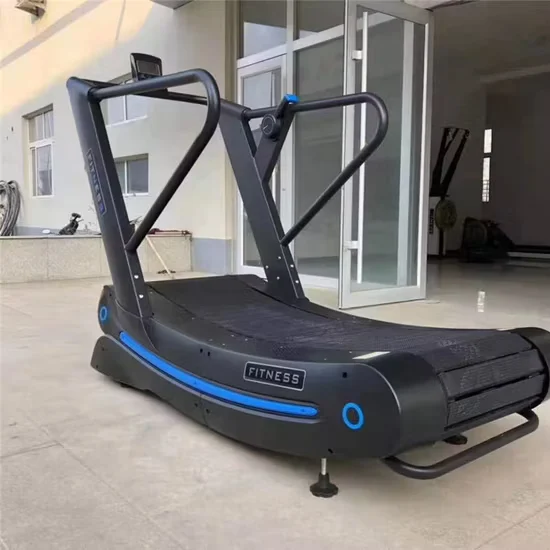
Self-Generated Curve Treadmill, 2000×900×1530mm, 15-22 km/h Max Speed — non-motorized self-powered design with 100-160kg net weight, engineered for sprint intervals and continuous high-traffic use. Sealed industrial bearings maintain smooth belt rotation, while heavy-duty steel frame with robotic continuous MIG welding eliminates spot-weld weak points under repeated impact loading. Every unit undergoes three-stage load testing before shipment, backed by 10-year frame warranty and mill-certified steel traceability.
// Spec Highlights
• Direct from Manufacturer · No Middlemen · Worldwide Shipping
01
// Material
Imported Solid Wood
Premium hardwood frames sourced for density and visual warmth.
02
// Hardware
Medical-Grade Silent
Whisper-quiet pulleys and springs for clinical environments.
03
// Customization
Appearance OEM
Color, upholstery, and branding tailored to your studio.
04
// Service
Layout Design
Free venue planning for studios and rehab institutions.
Every component is selected for longevity, performance, and aesthetic harmony - from imported hardwood frames to silent medical-grade accessories.
// Features
Structural Integrity Under Sprint Impact — Every unit undergoes individual load testing before shipment, verifying frame rigidity at speeds exceeding 22 km/h without motorized assistance.
| Parameter | Value |
|---|---|
| Product Type | Self-Powered Curve Treadmill |
| Product Dimensions | 2000×900×1530mm |
| Net Weight | 100-160kg |
| Maximum Speed | 15-22 km/h |
| Power Type | Self-generated / Non-motorized |
| Frame Construction | Heavy-duty steel with continuous robotic MIG welding |
| Bearing System | Sealed industrial bearings |
| Surface Treatment | 200μm industrial powder coating |
| Certification | CE, RoHS |
| Customization | Available (logo, color options) |
| Transport Package | Plywood Case |
| Facility Type | Typical Use |
|---|---|
| Commercial Gym Cardio Zone | High-intensity interval training, continuous steady-state running |
| Hotel Fitness Center | Guest use with varied fitness levels, low maintenance requirement |
| University Athletic Department | Sprint training, conditioning drills for sports teams |
| High-Traffic Fitness Facility | 8+ hours daily operation with minimal downtime |
Continuous robotic MIG welding eliminates the fatigue failure points inherent in spot-welded frames.
Many curved treadmills marketed as commercial grade rely on spot welding at critical junctions where the curved running surface meets the frame supports. Under repeated high-impact loading from sprint intervals, these spot welds develop micro-cracks that propagate with each foot strike. The result is frame flex that compromises belt tracking, loose handrail connections, and eventual structural failure well before the steel itself reaches its yield point. In high-traffic environments running 8+ hours daily, this failure mode typically emerges within the first year of operation [NEED_CITE: weld classification and fatigue performance in structural steel].
The commercial self-powered curve treadmill occupies the high-intensity segment of any cardio floor, serving athletes and fitness enthusiasts who require sprint-capable equipment without electrical dependencies. Its self-generated resistance mechanism responds directly to user effort, making it suitable for both steady-state endurance work and maximal effort intervals. In facility layouts, this equipment complements motorized treadmills by providing a non-electrical option that reduces overall power requirements while increasing training variety. The curved running surface and non-motorized design accommodate users across a wide body mass range, from recreational gym members to competitive athletes performing anaerobic conditioning.
Commercial self-powered curve treadmills endure impact forces fundamentally different from motorized equivalents. Each foot strike on the curved surface generates both vertical compression and lateral shear at the frame-to-deck junctions, creating complex stress patterns that spot-welded constructions cannot sustain long-term. The sealed industrial bearings specified for this equipment maintain rotational precision despite the dust and debris typical of high-traffic gym floors, preventing the play that causes belt misalignment and premature wear. The 200μm powder coating resists chipping at high-contact points where users grip during sprint efforts, protecting bare steel from sweat-induced corrosion that accelerates structural degradation [NEED_CITE: powder coating adhesion and corrosion resistance in fitness equipment environments].
The frame construction of this commercial self-powered curve treadmill prioritizes resistance to dynamic deformation rather than static load capacity alone. Heavy-duty steel tubing with mill-certified specifications provides consistent wall thickness throughout the frame, eliminating weak points where thin-gauge sections would flex under sprint loading. The continuous robotic MIG welding creates full-penetration joints along the entire seam length, distributing impact forces across the weld zone rather than concentrating stress at discrete spot locations. Sealed industrial bearings differ fundamentally from unsealed alternatives in their ability to exclude the fine particulate matter that accumulates in commercial gym environments — once dust infiltrates an unsealed bearing race, the resulting abrasive wear creates play that compounds with each rotation until belt tracking fails entirely. The 200μm industrial powder coating, applied after proper surface preparation including sandblasting, provides thickness sufficient to resist the mechanical abrasion from footwear contact and chemical degradation from cleaning agents used in commercial maintenance protocols.
Facilities that specify curved treadmills based on initial purchase price alone frequently encounter maintenance costs that exceed the equipment’s value within two years. Thin-wall frame tubing deforms visibly under repeated sprint loading, creating uneven running surfaces that increase user injury risk while accelerating belt wear. Spot-welded joints that pass visual inspection at delivery develop fatigue cracks under cyclic loading, requiring either costly structural reinforcement or complete frame replacement. Non-sealed bearings in dusty gym environments require replacement every six to twelve months, with each service call adding labor costs to parts expenses. Powder coating applied below industrial thickness standards chips at contact points within months of installation, exposing bare steel to sweat and cleaning chemicals that initiate corrosion patterns spreading from high-wear areas across the entire frame surface [NEED_CITE: maintenance cost analysis of commercial fitness equipment structural failures].
Every commercial self-powered curve treadmill leaving the BICKFIT facility carries documentation traceable to the original steel coil, providing verifiable proof of material specifications rather than marketing claims. The robotic continuous welding process eliminates the human variability inherent in manual spot welding, ensuring every frame meets the same structural standard regardless of production volume. Individual load testing on each unit — not sample-based inspection — confirms that bearing alignment, belt tension, and frame rigidity meet specifications before shipment. The 200μm industrial powder coating applied after proper surface preparation provides corrosion resistance appropriate for environments where equipment faces daily exposure to sweat, humidity, and aggressive cleaning protocols. BICKFIT provides 2D-3D CAD layout support for cardio zone planning, ensuring this commercial self-powered curve treadmill integrates with appropriate safety clearances and traffic flow patterns rather than creating bottlenecks or unsafe proximity to adjacent equipment.
Provide your cardio zone floor dimensions and existing equipment inventory to receive 2D-3D layout recommendations showing optimal placement for this commercial self-powered curve treadmill within traffic flow patterns. Specify your facility’s daily usage hours and peak member count to confirm the structural grade matches your operational intensity. Indicate any customization requirements including facility branding colors or logo placement to ensure visual integration with your existing equipment aesthetic.
Q: How do I verify that a curved treadmill frame meets true commercial specifications rather than light-commercial claims?
A: Request mill-certified steel documentation showing specific gauge and grade rather than vague "commercial grade" language. Verify that welding is continuous robotic MIG rather than spot welding, which creates fatigue failure points under repeated impact. Confirm that each unit undergoes individual load testing before shipment, not sample-based inspection that allows defective units to reach your facility.
Q: What bearing specification indicates long-term durability in high-traffic gym environments?
A: Sealed industrial bearings exclude dust and debris that cause premature wear in unsealed alternatives. Once particulate matter enters an unsealed bearing race, abrasive wear creates rotational play that compounds with each revolution until belt tracking fails. Sealed bearings maintain precision alignment despite the fine dust accumulation inevitable in commercial gym floors, significantly extending service intervals between maintenance.
Q: How does powder coating thickness affect long-term appearance and structural protection?
A: Industrial powder coating at 200μm thickness, applied after proper sandblasting surface preparation, resists mechanical abrasion from footwear contact and chemical degradation from cleaning agents. Thinner coatings chip at high-contact points like handrail grip zones within months of installation, exposing bare steel to sweat-induced corrosion that spreads from these initiation points across the frame surface, requiring complete refinishing rather than simple touch-up.
Q: What structural features differentiate this curved treadmill from motorized equivalents in terms of facility requirements?
A: The self-powered design eliminates electrical connections and reduces overall facility power requirements while providing sprint-capable resistance that responds directly to user effort. The non-motorized mechanism has fewer electronic components requiring maintenance, though the mechanical bearing system demands attention to dust exclusion through sealed specifications. Frame construction must withstand higher impact forces from unassisted sprint efforts compared to motorized treadmills that control belt speed.
Premium aesthetics meet quiet operation for boutique studio environments.
Medical-grade silence and precision for sports & postpartum recovery.
Furniture-grade craftsmanship for premium residential installations.
Compact premium setups for one-on-one and small-group training.
Aesthetic Pilates integration for hybrid wellness studio programming.
Multi-unit deployment with instructor-grade reliability for certification programs.
Tell us about your project. Our team will respond within 24 hours with pricing, customization options, and shipping details.
// Sales Director
William
+86 132 2531 1800
// Export Manager
Bella
+86 198 5412 8032
william@bickfit.com