01 / Scenario
STUDIO
P
High-End Pilates Studios
Premium aesthetics meet quiet operation for boutique studio environments.

ISO
9001
CE
Certified
OEM
Available
10YR
Warranty
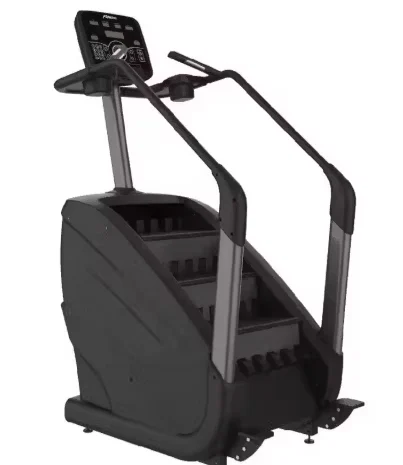
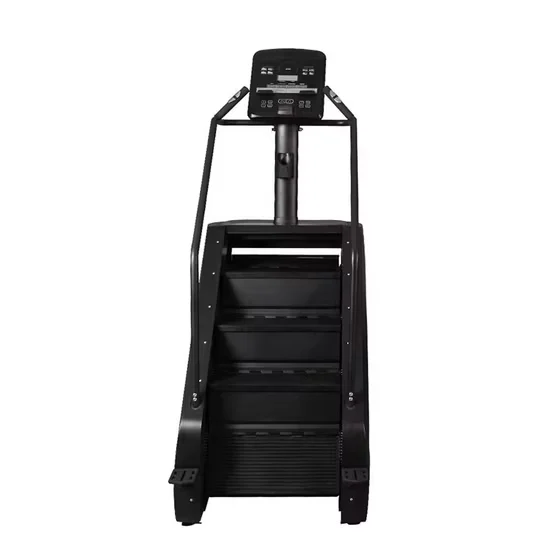
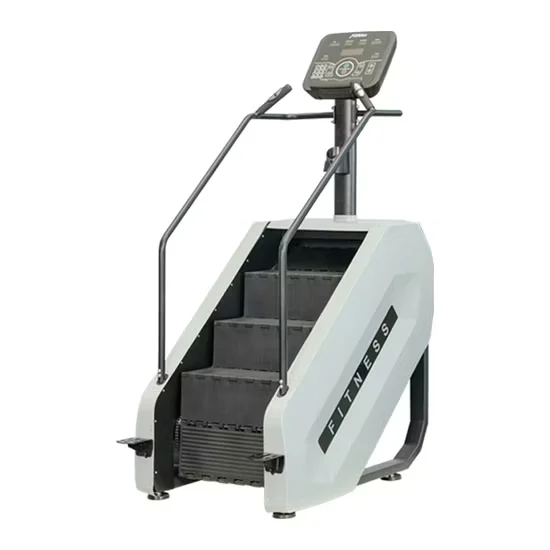
Commercial Stair Climber, Motor Drive, 15–164 Steps/Min Adjustable Speed — steel-pipe frame engineered for sustained dynamic loading, with a wide 560×235mm step platform reducing lateral pedal stress and an integrated console tracking time, calories, steps, and heart rate. Every unit undergoes individual load testing before shipment to ensure structural integrity under continuous commercial use.
// Spec Highlights
• Direct from Manufacturer · No Middlemen · Worldwide Shipping
01
// Material
Imported Solid Wood
Premium hardwood frames sourced for density and visual warmth.
02
// Hardware
Medical-Grade Silent
Whisper-quiet pulleys and springs for clinical environments.
03
// Customization
Appearance OEM
Color, upholstery, and branding tailored to your studio.
04
// Service
Layout Design
Free venue planning for studios and rehab institutions.
Every component is selected for longevity, performance, and aesthetic harmony - from imported hardwood frames to silent medical-grade accessories.
// Features
Motor-Driven Frame Rigidity — Steel-pipe frame construction engineered to eliminate pedal wobble and structural flex during continuous high-repetition stepping sessions in commercial gym environments.
| Parameter | Value |
|---|---|
| Product Type | Commercial Stair Climber |
| Model | SQ1017 |
| Drive Type | Motor Drive (Electric) |
| Step Area | 560×235×220mm |
| Running Velocity | 15–164 steps/min |
| Mains Input | AC220V±10% / AC110V±10% |
| Console Display | Time, Climb, Calories, Steps, Heart Rate |
| Product Dimensions | 1450×820×2080mm |
| Net Weight | 148kg |
| Frame Material | Steel Pipe + PP Plastic |
| Folded State | Unfolded |
| Color | Black (customization available) |
| Certification | CE, ISO |
| Facility Type | Typical Use |
|---|---|
| Commercial gym cardio zone | High-volume daily climbing sessions for members |
| Hotel and resort fitness center | Guest-facing endurance training equipment |
| Athletic performance facility | Warm-up and conditioning protocols for athletes |
| University strength and conditioning room | Team sport preparation and general fitness |
| Rehabilitation and performance center | Low-impact cardiovascular recovery training |
Many units marketed as a commercial stair climber machine for gym use rely on vague "commercial-grade" frame claims that lack verifiable steel specifications. The result is predictable: pedal platforms develop lateral play, step bearings wear prematurely, and the entire unit vibrates noticeably within months of heavy daily use.
A verified steel-pipe frame with documented wall thickness is the single factor that separates a unit that holds steady at step 10,000 from one that starts shaking at step 1,000.
In my experience on the shop floor, I have seen stair machines returned because the frame tubes were thin-wall stock dressed up with a thick powder coat. Under sustained dynamic loading from repetitive stepping, the frame flexes at the base joints, transferring oscillation directly to the pedal assembly. Users feel instability before the motor even shows thermal stress. A commercial stair climber machine for gym training needs a frame that resists this deflection cycle after cycle — not just on day one. [NEED_CITE: structural deflection limits for stationary cardio equipment under dynamic loading]
This motor-driven unit occupies the high-intensity cardiovascular segment of a commercial gym floor, complementing treadmills, rowers, and air bikes. The 15–164 steps/min velocity range covers everything from low-intensity warm-up protocols to high-output interval work, making it suitable for facilities where users cycle through varied training intensities throughout the day. The 560×235mm step area accommodates a broad range of foot sizes while maintaining stable lateral placement, reducing the risk of off-center loading that accelerates bearing wear.
A commercial stair climber machine for gym training faces a specific stress profile: repetitive vertical impact loading concentrated at the pedal bearings and frame-to-base junctions, combined with continuous motor operation that generates sustained thermal cycling. Unlike plate-loaded strength equipment where loads are static, every step introduces a new impact cycle into the frame structure. The welded joints at the base and upright connections become fatigue concentration points over thousands of daily cycles. Pedal bearings operate in an environment exposed to sweat drip and floor-level dust, demanding sealed construction to prevent contamination-induced wear. The motor drive system must sustain thermal equilibrium during extended operating windows without performance degradation. [NEED_CITE: fatigue life considerations for welded steel structures under cyclic loading]
The steel-pipe frame on the SQ1017 provides the foundational rigidity needed for sustained stepping loads. Frame tube wall thickness and cross-sectional geometry directly determine the deflection threshold — thicker walls and larger cross-sections resist bending moments at the base joints where stress concentrates during each pedal stroke. The motor drive system with its 15–164 steps/min adjustable range requires consistent power delivery; thermal protection circuitry prevents winding damage during extended high-speed operation. The 560×235×220mm step dimensions balance foot placement stability with mechanical leverage on the pedal shaft bearings — wider platforms reduce lateral force vectors that accelerate bearing wear. Console integration for heart rate, steps, calories, and time provides user engagement data without adding structural complexity to the frame. The 148kg net weight contributes to base stability, reducing the tendency for frame shift during aggressive stepping cadences.
When manufacturers reduce frame tube wall thickness to lower unit cost, the consequences emerge under gym-use conditions. Thin-wall tubes deflect visibly under repetitive stepping loads, creating pedal wobble that users perceive as equipment instability — a perception that erodes member confidence and increases complaint volume. Base joint welds on under-specced frames develop micro-cracks at stress concentration points, eventually propagating into visible failures that require full frame replacement rather than field repair. Non-sealed pedal bearings contaminated by sweat and dust develop play within months, generating noise and requiring premature replacement. Inadequate powder coating thickness exposes bare steel at contact points and handgrip zones, where sweat and cleaning chemicals accelerate corrosion. These are not warranty-edge-case failures — they are the predictable outcome of structural decisions made at the cost-engineering stage. [NEED_CITE: corrosion mechanisms in powder-coated steel under gym hygiene chemical exposure]
Every SQ1017 unit undergoes individual load testing before shipment — not sample-based inspection from a production batch. The steel-pipe frame is manufactured from mill-certified material with traceable sourcing documentation. Robotic MIG welding produces continuous weld lines at frame joints, eliminating the spot-weld weak points that crack under repetitive gym-use loading. The 200μm industrial powder coating provides scratch and corrosion resistance at contact points and high-wear zones. For facility planners, the 1450×820mm footprint and required safety clearances can be integrated into 2D-3D CAD layout plans to ensure proper spacing between cardio stations and adjacent equipment. OEM customization for frame color and console branding is available to match branded gym environments.
Provide your cardio zone floor dimensions and existing equipment list to receive a 2D-3D CAD layout plan showing optimal placement of this commercial stair climber machine for gym training alongside complementary units. Specify your expected daily user volume so the structural grade can be matched to actual usage intensity. Indicate any customization requirements for frame color or console branding to align with your facility identity.
Q: How do I verify that a stair climber is built for true commercial gym use rather than light-commercial or home environments?
A: Check whether the manufacturer provides documented frame steel specifications including tube wall thickness and material grade. True commercial units list verifiable structural parameters rather than vague "heavy-duty" claims. Request individual load testing records for each shipped unit, and confirm that pedal bearings are sealed rather than open-type. Motor duty cycle ratings and thermal protection specifications should also be available upon request.
Q: What frame and motor characteristics indicate long-term durability under daily gym operation?
A: Frame construction should use steel pipe with documented wall thickness and continuous welded joints rather than spot welds. The motor drive system should include thermal protection to prevent winding damage during extended operation. A net weight in the 140kg+ range indicates sufficient base mass to resist frame shift during high-cadence stepping. Powder coating thickness should meet industrial standards to withstand sweat exposure and routine cleaning chemicals without chipping.
Q: How does step area size affect user safety and long-term bearing performance?
A: A wider step platform such as 560×235mm provides stable foot placement that reduces lateral force vectors transferred to pedal shaft bearings. When users can place their feet fully on the pedal surface, off-center loading decreases, which directly extends bearing service life. Narrow steps force users toward edge placement, increasing uneven wear on seals and rolling elements while raising the risk of foot slip during high-speed operation.
Q: What maintenance intervals should a commercial facility plan for the motor drive and pedal bearing system?
A: Pedal bearings should be inspected monthly for rotation smoothness and audible noise indicating contamination or wear. The motor drive system requires periodic verification of thermal protection function and belt or chain tension if applicable. Frame weld joints at the base and upright connections should be visually inspected quarterly for any hairline cracking. Console sensors should be calibrated semi-annually to maintain accuracy for heart rate and step counting functions.
Q: Can the frame color and console branding be customized to match a branded gym environment?
A: Yes, OEM and ODM customization is available for frame color and console branding elements. The standard finish is black powder coating, but alternative colors can be specified during the order process. Console display graphics and startup screens can also be customized to reflect facility branding. Customization requests should be confirmed at the quotation stage to ensure production alignment.
Premium aesthetics meet quiet operation for boutique studio environments.
Medical-grade silence and precision for sports & postpartum recovery.
Furniture-grade craftsmanship for premium residential installations.
Compact premium setups for one-on-one and small-group training.
Aesthetic Pilates integration for hybrid wellness studio programming.
Multi-unit deployment with instructor-grade reliability for certification programs.
Tell us about your project. Our team will respond within 24 hours with pricing, customization options, and shipping details.
// Sales Director
William
+86 132 2531 1800
// Export Manager
Bella
+86 198 5412 8032
william@bickfit.com