01 / Scenario
STUDIO
P
High-End Pilates Studios
Premium aesthetics meet quiet operation for boutique studio environments.

ISO
9001
CE
Certified
OEM
Available
10YR
Warranty
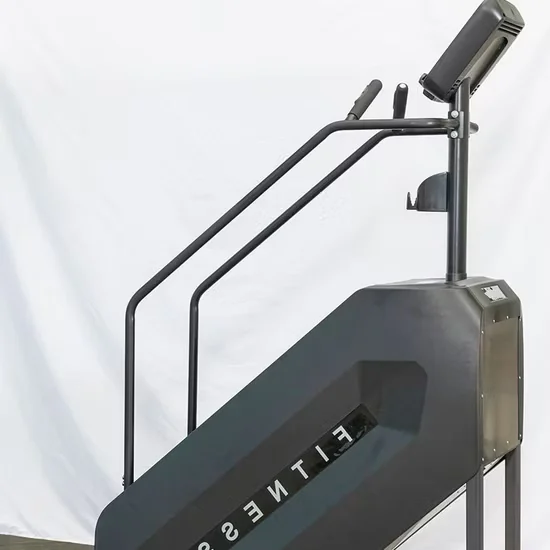
Commercial Stair Climber Machine, Electric Motor Drive, 148kg Net Weight — engineered for high-traffic gym environments with AC220V/AC110V motor drive system delivering 15-164 steps/minute adjustable speed range. Steel pipe frame construction paired with PP plastic step area (560x235x220mm) ensures structural integrity under continuous commercial use, while integrated heart rate monitoring and multi-function display support performance tracking. Every unit undergoes load testing before shipment, backed by 10-year frame warranty and factory-direct floor planning support.
// Spec Highlights
• Direct from Manufacturer · No Middlemen · Worldwide Shipping
01
// Material
Imported Solid Wood
Premium hardwood frames sourced for density and visual warmth.
02
// Hardware
Medical-Grade Silent
Whisper-quiet pulleys and springs for clinical environments.
03
// Customization
Appearance OEM
Color, upholstery, and branding tailored to your studio.
04
// Service
Layout Design
Free venue planning for studios and rehab institutions.
Every component is selected for longevity, performance, and aesthetic harmony - from imported hardwood frames to silent medical-grade accessories.
// Features
Motor-Driven Precision — The 148kg steel frame anchors the stair climbing mechanism to eliminate pedal wobble during continuous commercial operation.
| Parameter | Value |
|---|---|
| Product Type | Commercial Stair Climber Machine |
| Model NO. | SQ1017 |
| Drive System | Motor Drive |
| Power Input | AC220V±10% / AC110V±10% |
| Running Velocity | 15–164 steps/minute |
| Step Area Dimensions | 560 × 235 × 220 mm |
| Overall Dimensions | 1450 × 820 × 2080 mm |
| Net Weight | 148 kg |
| Frame Material | Steel Pipe |
| Step Material | PP Plastic |
| Console Display | Time, Climb, Calories, Steps, Heart Rate |
| Certification | CE |
| Folded State | Unfolded |
| Customization | Available (color, logo) |
| Facility Type | Typical Use |
|---|---|
| Commercial Gymnasium | High-traffic cardio zone for member warm-up and endurance training |
| Home Gym | Dedicated fitness area for daily stair climbing exercise |
| Hotel Fitness Center | Guest-accessible cardio equipment for short-duration workouts |
| University Athletic Facility | Strength and conditioning room supplemental cardio station |
| Corporate Wellness Center | Employee fitness area for lunch-break exercise sessions |
A commercial stair climber machine faces continuous cyclic loading on every pedal revolution — the bearing and pulley system determines whether the unit runs smoothly for years or develops noticeable play within months.
Sealed industrial bearings maintain alignment under sustained commercial use, while unsealed alternatives allow dust and moisture ingress that accelerates wear.
Many stair climbers marketed for commercial environments specify vague "heavy-duty" bearings without defining seal type or maintenance intervals. In high-traffic facilities operating 8+ hours daily, dust accumulation and sweat exposure penetrate unsealed bearing housings, creating abrasive conditions that degrade lubrication and introduce rotational play. The result is audible grinding during operation and eventual step mechanism misalignment — failures that occur long before any structural frame issue emerges. Operators discover the problem only after members complain about irregular pedal movement or unusual noise during workouts [NEED_CITE: bearing seal classification and contamination resistance in fitness equipment].
This commercial stair climber machine occupies the endurance-focused segment of facility cardio zones, complementing treadmills and ellipticals by providing vertical stepping motion that engages lower-body muscle groups through a different movement pattern. The 15–164 steps/minute velocity range accommodates both warm-up pacing and high-intensity interval protocols, while the 560 × 235 mm step area provides adequate foot placement for users across a broad height range. The motor-driven system delivers consistent resistance regardless of user cadence, making it suitable for facilities where equipment must perform reliably across varied fitness levels throughout operating hours.
Every pedal revolution applies cyclic loading to the step mechanism bearings, drive belt tension, and frame connection points. Unlike strength equipment where loads are static or controlled, stair climbing generates continuous dynamic forces as users transfer body weight through the stepping motion. The 148kg net weight reflects substantial frame mass that resists vibration and lateral movement during operation, but the critical wear points concentrate at bearing housings, belt drive components, and step attachment hardware. Sweat exposure and cleaning chemical contact create corrosive conditions at contact points, while the powder coating must withstand repeated abrasion from footwear and maintenance activities [NEED_CITE: fatigue loading considerations for motor-driven cardio equipment].
The steel pipe frame construction provides the foundational rigidity that prevents flex during high-cadence stepping. Frame mass directly influences stability — the 148kg net weight anchors the unit against the reactive forces generated by the motor-driven step mechanism. The motor drive system eliminates the maintenance variables associated with self-powered generators while delivering consistent stepping speed regardless of user effort level. Step area dimensions of 560 × 235 × 220 mm define the functional workspace where users’ feet contact the moving steps, while the overall footprint of 1450 × 820 × 2080 mm determines facility layout requirements and safety clearance spacing. The PP plastic step material balances durability with surface grip characteristics appropriate for commercial use.
Facilities that prioritize initial purchase price over structural specification often discover that bearing replacement, belt adjustment, and step mechanism repair accumulate rapidly when components lack proper sealing and load rating. Unsealed bearings in dusty gym environments require frequent maintenance intervention, while inadequate powder coating thickness exposes bare steel to corrosion from sweat and cleaning solutions. Non-standard hardware dimensions create procurement challenges when replacement parts are needed, potentially rendering equipment inoperable while waiting for custom components. The commercial stair climber machine must withstand thousands of operating hours annually — structural compromises that seem negligible during procurement manifest as operational disruptions and member complaints within the first year of intensive use [NEED_CITE: total cost of ownership considerations for commercial cardio equipment].
Every commercial stair climber machine undergoes individual load testing before shipment, verifying that the motor drive system, step mechanism, and frame structure perform within specification under simulated commercial conditions. The steel frame construction uses mill-certified materials with traceable sourcing, while robotic welding ensures consistent joint quality across production units. The 200μm powder coating application provides scratch and corrosion resistance appropriate for high-traffic environments where equipment faces continuous contact and cleaning. Facility planners receive CAD-based layout support to optimize cardio zone configuration, ensuring adequate safety clearances between the 1450 × 820 × 2080 mm footprint and adjacent equipment or traffic paths. Customization options for color and branding allow facilities to maintain visual consistency across their equipment fleet.
Provide your facility’s cardio zone dimensions and existing equipment inventory to receive a 2D-3D layout plan optimizing commercial stair climber machine placement within your traffic flow. Specify your facility’s daily operating hours and member volume to ensure the equipment’s structural rating matches your usage intensity. Indicate any customization requirements for frame color, console branding, or step surface specifications to confirm availability and lead times.
Q: How does motor drive differ from self-powered systems in commercial stair climbing equipment?
A: Motor drive systems maintain consistent stepping speed regardless of user effort, eliminating the variable resistance characteristic of self-powered generators. This approach reduces maintenance requirements associated with generator mechanisms while providing predictable performance across users of different fitness levels. The trade-off involves electrical power consumption, but commercial facilities typically prioritize reliability and consistent user experience over energy considerations.
Q: What floor preparation is required for installing this commercial stair climber machine?
A: The installation surface must support the 148kg equipment weight plus dynamic loads generated during user operation. The floor should be level within manufacturer tolerance to prevent frame stress and ensure proper step mechanism alignment. Concrete surfaces provide optimal stability, while raised flooring systems require verification of load capacity at mounting points. Adequate clearance around the 1450 × 820 × 2080 mm footprint ensures safe user access and emergency egress.
Q: How does the 15-164 steps/minute range accommodate different training intensities?
A: The velocity range spans from gentle warm-up pacing suitable for rehabilitation or beginner users through high-cadence stepping appropriate for athletic conditioning. Motor-driven speed control provides smooth transitions between intensity levels without the mechanical complexity of resistance adjustment mechanisms. This range accommodates facilities serving diverse member populations, from general fitness enthusiasts to performance-focused athletes requiring high-intensity cardiovascular training protocols.
Q: What maintenance intervals apply to the step mechanism and bearing system?
A: Bearing inspection and lubrication should occur quarterly under commercial operating conditions with daily use exceeding eight hours. Step mechanism components require visual inspection for wear indicators including unusual noise, irregular movement patterns, or visible play in attachment points. Belt drive tension verification prevents slippage that affects stepping consistency. Facilities with lower usage intensity may extend maintenance intervals, but documentation of operating hours helps optimize service scheduling.
Premium aesthetics meet quiet operation for boutique studio environments.
Medical-grade silence and precision for sports & postpartum recovery.
Furniture-grade craftsmanship for premium residential installations.
Compact premium setups for one-on-one and small-group training.
Aesthetic Pilates integration for hybrid wellness studio programming.
Multi-unit deployment with instructor-grade reliability for certification programs.
Tell us about your project. Our team will respond within 24 hours with pricing, customization options, and shipping details.
// Sales Director
William
+86 132 2531 1800
// Export Manager
Bella
+86 198 5412 8032
william@bickfit.com