01 / Scenario
STUDIO
P
High-End Pilates Studios
Premium aesthetics meet quiet operation for boutique studio environments.

ISO
9001
CE
Certified
OEM
Available
10YR
Warranty
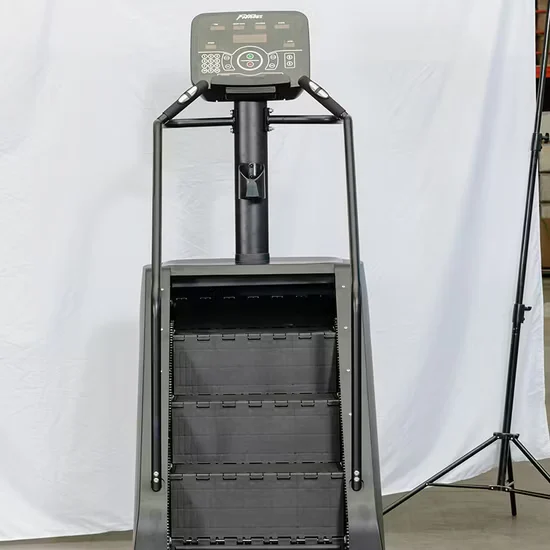
Commercial Stair Climber SQ1017, Motor Drive, 15–164 Steps/Min — steel pipe frame engineered for vibration resistance during continuous stepping loads, with integrated console tracking time, calories, steps, and heart rate. Variable speed motor drive ensures consistent resistance delivery across all fitness levels in high-traffic environments. Every unit undergoes six-stage QC inspection before shipment.
// Spec Highlights
• Direct from Manufacturer · No Middlemen · Worldwide Shipping
01
// Material
Imported Solid Wood
Premium hardwood frames sourced for density and visual warmth.
02
// Hardware
Medical-Grade Silent
Whisper-quiet pulleys and springs for clinical environments.
03
// Customization
Appearance OEM
Color, upholstery, and branding tailored to your studio.
04
// Service
Layout Design
Free venue planning for studios and rehab institutions.
Every component is selected for longevity, performance, and aesthetic harmony - from imported hardwood frames to silent medical-grade accessories.
// Features
Motor-Driven Step Mechanism — Engineered for continuous commercial operation with variable speed control from 15 to 164 steps per minute, tested for high-traffic gym environments.
| Parameter | Value |
|---|---|
| Designation | SQ1017 |
| Product Type | Commercial Stair Climber |
| Drive Type | Motor Drive |
| Power Input | AC220V±10% / AC110V±10% |
| Running Velocity | 15–164 steps/minute |
| Step Area | 560×235×220mm |
| Product Dimensions | 1450×820×2080mm |
| Net Weight | 148kg |
| Frame Material | Steel Pipe + PP Plastic |
| Console Display | Time, Climb, Calories, Steps, Heart Rate |
| Folded State | Unfolded |
| Color | Black |
| Assembly State | Unfolded |
| Certification | CE |
| Facility Type | Typical Use |
|---|---|
| Commercial gym cardio zone | High-volume daily use alongside treadmills and ellipticals |
| Hotel and resort fitness center | Durable, low-maintenance equipment for guest use |
| Home fitness setup | Serious fitness enthusiasts requiring commercial-grade durability |
Many commercial stair climber machines on the market use "commercial grade" claims without verifiable steel specifications — leaving gym owners uncertain whether the frame can withstand 8+ hours of daily stepping loads without structural fatigue or motor burnout. The steel pipe frame on this unit provides measurable resistance to vibration and deformation under continuous use.
Without documented frame material and wall thickness, operators cannot verify whether the machine will hold up under repeated eccentric loading from users of varying weights. The motor drive system requires a rigid base to prevent resonance buildup at higher step velocities. [NEED_CITE: structural steel requirements for stationary cardio equipment under EN 957]
This commercial stair climber occupies the vertical climbing movement plane, targeting lower body muscle groups through continuous step-based resistance. In a typical gym layout, it complements treadmills, ellipticals, and rowers by offering a distinct biomechanical pattern. The motor-driven mechanism delivers consistent resistance delivery across the full 15–164 steps per minute range, accommodating users from rehabilitation clients to advanced athletes. The 1450×820mm footprint requires adequate clearance for safe entry and exit during operation.
Commercial stair climbers face unique loading patterns: continuous cyclic stepping creates repetitive impact forces on the frame joints, while eccentric user positioning places asymmetric stress on the step mechanism. The motor drive system must maintain consistent torque output across thousands of daily cycles without overheating. Weld joints at the frame-to-base connection experience fatigue accumulation over time, particularly when users exceed expected weight ranges. The step mechanism bearings and pulley systems require sealed construction to resist dust and sweat infiltration that accelerates wear. Console sensors and heart rate contacts face degradation from constant hand contact and cleaning chemicals. [NEED_CITE: fatigue performance of welded joints in cyclic loading applications]
The steel pipe frame serves as the primary load-bearing structure, with tube diameter and wall thickness determining resistance to lateral deflection during stepping motion. Thicker gauge steel raises the deformation threshold, preventing the frame from flexing under heavier users or higher step velocities. The motor mount location affects vibration transmission — poorly positioned motors create resonance that loosens fasteners over time. Step mechanism durability depends on bearing quality and shaft precision; sealed industrial bearings resist contamination while maintaining smooth rotation through millions of cycles. The PP plastic components on step surfaces provide slip resistance while the steel structure handles structural loads. Console integration requires reliable sensor connections that withstand constant vibration without signal degradation.
Thin-wall steel tubing may pass visual inspection but deflects noticeably under repeated loading, creating instability at higher step speeds. Inadequate weld penetration at stress concentration points leads to crack propagation that remains invisible until catastrophic failure. Non-sealed bearings develop play within months of commercial use, requiring frequent replacement and creating downtime. Low-density foam padding compresses permanently after weeks of use, exposing hard substrate and creating user discomfort. Powder coating applied without proper surface preparation chips at contact points, exposing bare steel to sweat-induced corrosion that spreads beneath the coating layer. [NEED_CITE: powder coating adhesion requirements for fitness equipment in high-humidity environments]
The steel pipe frame construction uses mill-certified materials with traceable specifications, ensuring consistent structural performance across production runs. Each unit undergoes load testing before shipment rather than sample-based inspection, verifying motor and step mechanism performance under simulated commercial conditions. The 200μm powder coating provides scratch resistance that maintains appearance through years of cleaning and contact. Floor planning support includes 2D-3D CAD layouts that account for the 1450×820mm footprint plus required safety clearances around the commercial stair climber. CE certification validates compliance with European safety standards for stationary training equipment. OEM private label options allow branding customization while maintaining structural specifications.
Provide your cardio zone dimensions and existing equipment list to receive 2D-3D floor planning that optimizes commercial stair climber placement within traffic flow patterns. Specify expected daily usage hours to confirm the motor drive system matches your operational intensity. Indicate target user weight ranges to verify step mechanism capacity and frame structural adequacy. Custom color options and branding requirements can be accommodated while maintaining certified structural specifications.
Q: How do I differentiate commercial-grade stair climbers from light commercial or home models?
A: Commercial stair climber machines feature motor drive systems rated for continuous operation, steel pipe frames with documented specifications rather than vague "commercial grade" claims, and sealed bearings designed for high-traffic environments. Home models typically use lighter materials and self-powered mechanisms not suited for 8+ hours daily use.
Q: Motor drive versus self-powered stair climber — which suits high-traffic gyms?
A: Motor drive systems provide consistent resistance across the full speed range and require less user effort to initiate movement, making them suitable for diverse fitness levels in commercial settings. Self-powered models depend on user effort to drive the mechanism, creating variable resistance that may not accommodate rehabilitation clients or beginners effectively.
Q: What maintenance does the step mechanism require over time?
A: Sealed bearings in the step mechanism require no regular lubrication but should be inspected annually for play or unusual noise. The motor drive system needs periodic bolt torque checks at mount points. Step surface cleaning with non-abrasive products maintains slip resistance without damaging the PP plastic components.
Q: How do I plan floor space and electrical requirements for stair climber installation?
A: The 1450×820mm footprint requires minimum 600mm clearance on all sides for safe entry and exit. Electrical needs include AC220V or AC110V dedicated circuit with proper grounding. Floor surface must be level and capable of supporting 148kg static weight plus dynamic loads from user movement during operation.
Q: What warranty coverage applies to motor and electronic components?
A: The steel pipe frame carries structural warranty coverage reflecting commercial-grade construction standards. Motor drive system and electronic console components are covered under standard commercial equipment warranty terms. Specific warranty duration and coverage details are provided with purchase documentation and service agreements.
Premium aesthetics meet quiet operation for boutique studio environments.
Medical-grade silence and precision for sports & postpartum recovery.
Furniture-grade craftsmanship for premium residential installations.
Compact premium setups for one-on-one and small-group training.
Aesthetic Pilates integration for hybrid wellness studio programming.
Multi-unit deployment with instructor-grade reliability for certification programs.
Tell us about your project. Our team will respond within 24 hours with pricing, customization options, and shipping details.
// Sales Director
William
+86 132 2531 1800
// Export Manager
Bella
+86 198 5412 8032
william@bickfit.com