01 / Scenario
STUDIO
P
High-End Pilates Studios
Premium aesthetics meet quiet operation for boutique studio environments.
ISO
9001
CE
Certified
OEM
Available
10YR
Warranty
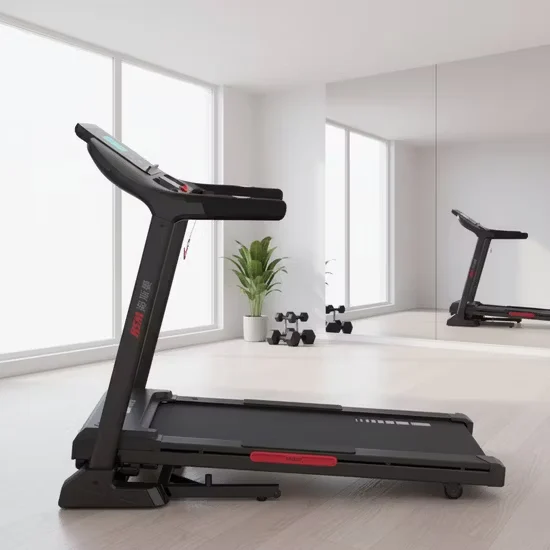
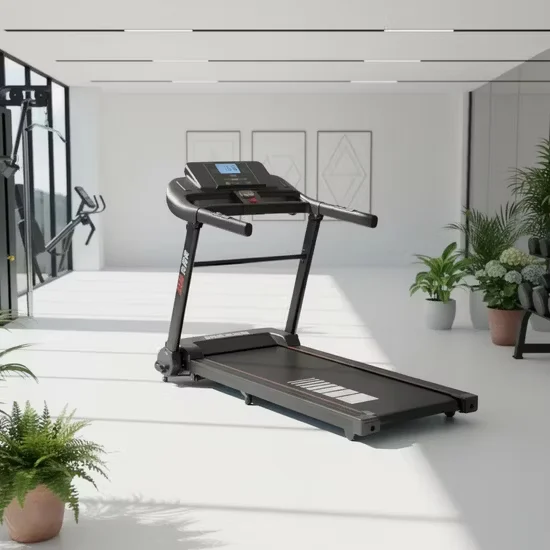
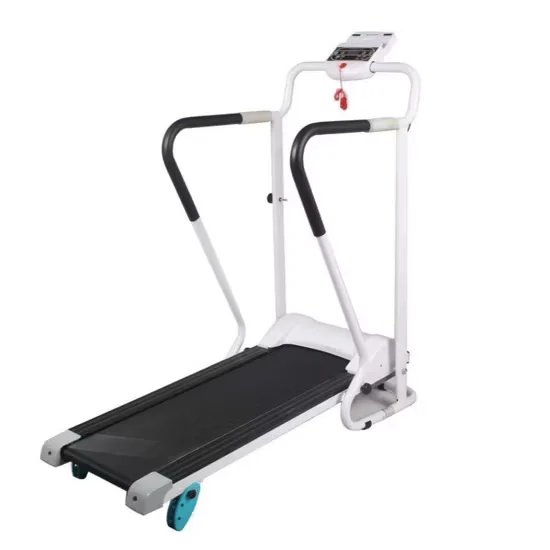
Motorized Treadmill, 1000×400mm Running Surface, 12 Preset Programs — foldable frame with hinge-lock mechanism and LED console tracking speed, distance, time, and calories across a 1–10 km/h operational range. CE and RoHS certified for home and light commercial environments. Every unit undergoes three-stage load inspection before shipment.
// Spec Highlights
• Direct from Manufacturer · No Middlemen · Worldwide Shipping
01
// Material
Imported Solid Wood
Premium hardwood frames sourced for density and visual warmth.
02
// Hardware
Medical-Grade Silent
Whisper-quiet pulleys and springs for clinical environments.
03
// Customization
Appearance OEM
Color, upholstery, and branding tailored to your studio.
04
// Service
Layout Design
Free venue planning for studios and rehab institutions.
Every component is selected for longevity, performance, and aesthetic harmony - from imported hardwood frames to silent medical-grade accessories.
// Features
Foldable frame tested for daily folding cycles — hinge pins and locking mechanisms verified under repeated use to maintain structural rigidity without wobble.
| Parameter | Value |
|---|---|
| Product Type | Motorized Treadmill |
| Model NO. | T04F8 |
| Maximum Speed | <15 km/h |
| Operating Speed | 1–10 km/h |
| Runway Size | 1000×400 mm |
| Product Dimensions | 1370×620×1320 mm |
| Folded State | Foldable |
| LED Display | Speed / Distance / Time / Calories |
| Preset Programs | 12 |
| Certification | CE, RoHS |
| Color Options | Multicolor / Customized |
| Age Group | Adult |
| Facility Type | Typical Use |
|---|---|
| Home fitness rooms | Space-constrained cardio training with foldable storage |
| Boutique hotel fitness centers | Compact motorized treadmill for guest use |
| Personal training studios | Light commercial cardio supplement to strength equipment |
| Corporate wellness facilities | Employee fitness rooms with moderate daily usage |
Folding mechanisms require verified structural engineering, not marketing claims.
Many motorized folding treadmills marketed for home use develop frame wobble within months — the hinge points承受 repeated stress cycles that expose inadequate steel gauge and poor weld quality. When operators specify a motorized folding treadmill for home and light commercial use, they need documentation showing hinge pin diameter, locking mechanism design, and frame steel thickness at stress concentration points. Without these specifications, buyers inherit equipment that degrades under daily folding and unfolding cycles [NEED_CITE: structural fatigue analysis of folding mechanisms in fitness equipment].
This motorized folding treadmill occupies a specific niche in facility cardio zones — providing motorized running capability within a compact footprint that folds for storage when not in use. The 1000×400mm running surface accommodates stride lengths for users up to moderate height, while the foldable frame design allows facilities to reclaim floor space during low-traffic periods. In boutique hotel fitness centers and personal training studios, this motorized folding treadmill for home and light commercial use complements strength equipment without dominating the cardio area. The 12 preset programs and LED feedback console support structured workouts without requiring external devices or complex programming.
Folding treadmill frames experience unique stress patterns that stationary frames do not encounter. Each fold-unfold cycle loads the hinge pins, locking mechanisms, and frame joints with dynamic forces that accumulate over time. The hinge points become stress concentration zones where inadequate weld quality or insufficient steel gauge leads to micro-cracks and eventual failure. Motor mounts and deck support structures also experience vibration-induced fatigue from continuous running use, requiring robust mounting points and vibration-dampening design. The running deck surface must maintain flatness under repeated foot strikes while the folding mechanism maintains alignment — a dual requirement that separates engineered equipment from cost-reduced alternatives [NEED_CITE: vibration fatigue in motorized fitness equipment frames].
Frame steel gauge at hinge points determines long-term rigidity — thinner gauge steel flexes under user weight combined with folding forces, leading to permanent deformation. The 1000×400mm running belt dimensions reflect a design balance between stride accommodation and space efficiency; belt length affects user safety at higher speeds by providing adequate deceleration distance. Motor performance envelopes rated at 1-10 km/h operational speed with <15 km/h maximum indicate thermal management capacity — continuous operation near maximum speed without adequate cooling leads to motor degradation. The foldable frame mechanism requires precision-machined hinge pins and positive locking systems; loose tolerances create play that amplifies with use, compromising user confidence and safety. LED console functionality providing real-time feedback across 12 preset programs requires reliable electronic components rated for commercial duty cycles, not consumer-grade parts that fail under continuous use.
Manufacturers reducing frame steel gauge at hinge points create equipment that appears functional initially but develops dangerous wobble within months of daily use. Point-welded hinge joints pass visual inspection but crack under repeated folding cycles, creating sudden failure points during user operation. Non-sealed motor bearings accumulate dust and sweat contamination, leading to premature bearing failure and motor burnout. Thin powder coating chips at contact points during folding operations, exposing bare steel to corrosion from sweat and cleaning chemicals. When these failures occur, facilities face equipment downtime, user injury liability, and complete unit replacement rather than component-level repair.
The foldable frame design with verified hinge engineering provides space efficiency without sacrificing structural integrity — the 1370×620mm operational footprint fits standard cardio layouts while folded storage reclaims floor space for other activities. CE and RoHS certification confirms compliance with European safety and environmental standards, providing documentation for facility insurance and regulatory requirements. The 12 preset programs and LED display support user engagement without requiring facility staff intervention for basic operation. Customizable color options allow integration with facility branding while maintaining equipment visibility for safety. Replacement parts availability for running belts, electronic consoles, and folding mechanism components extends equipment service life beyond warranty periods.
Facility planners specifying cardio equipment should provide floor area dimensions and existing equipment layout to receive 2D-3D space planning support. Daily usage hour estimates help match equipment structural ratings to actual operational demands. Target user population height and weight ranges confirm running surface dimensions and frame load capacity appropriateness. Custom color requirements and facility branding integration needs determine lead time for non-standard configurations.
Q: How does the foldable frame affect structural rigidity during use?
A: The folding mechanism uses precision-machined hinge pins with positive locking systems that eliminate play when deployed. Frame steel gauge at hinge points matches the main frame specification, ensuring consistent rigidity whether folded or operational. Regular inspection of locking mechanisms maintains long-term structural integrity under daily use cycles.
Q: What running surface dimensions accommodate different user heights?
A: The 1000×400mm running belt provides adequate stride length for users up to approximately 180cm height. Taller users may find the belt length limiting at higher speeds where longer deceleration distance improves safety. The 400mm width accommodates natural running gait patterns without excessive lateral movement that increases injury risk.
Q: How do the 12 preset programs support varied fitness levels?
A: Preset programs offer progressive speed and incline variations that accommodate beginners through intermediate users without manual console adjustment. The LED display provides real-time feedback on speed, distance, time, and calorie expenditure across all programs. Facilities can post program descriptions to guide users toward appropriate intensity levels without staff supervision.
Q: What maintenance do folding mechanisms require?
A: Hinge pins and locking mechanisms require periodic inspection for wear indicators and lubrication per the maintenance schedule. Frame joints at fold points should be checked for looseness quarterly and tightened to specified torque values. Running belt tension and alignment checks prevent premature wear that increases motor load during operation.
Premium aesthetics meet quiet operation for boutique studio environments.
Medical-grade silence and precision for sports & postpartum recovery.
Furniture-grade craftsmanship for premium residential installations.
Compact premium setups for one-on-one and small-group training.
Aesthetic Pilates integration for hybrid wellness studio programming.
Multi-unit deployment with instructor-grade reliability for certification programs.
Tell us about your project. Our team will respond within 24 hours with pricing, customization options, and shipping details.
// Sales Director
William
+86 132 2531 1800
// Export Manager
Bella
+86 198 5412 8032
william@bickfit.com