01 / Scenario
STUDIO
P
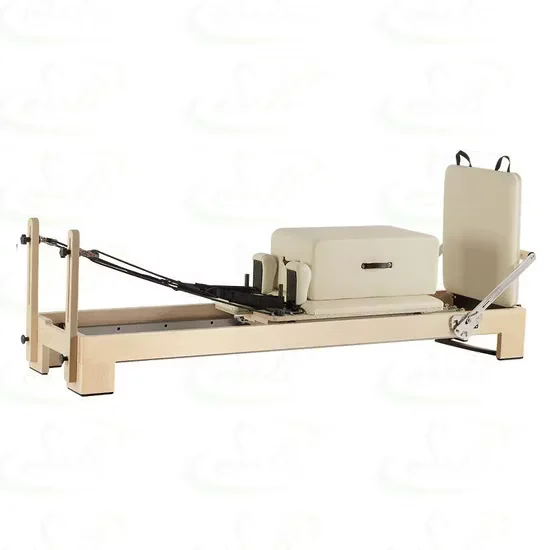
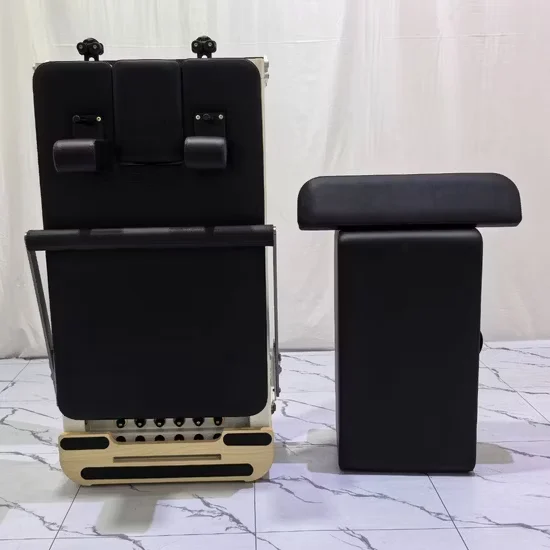
High-End Pilates Studios
Premium aesthetics meet quiet operation for boutique studio environments.
ISO
9001
CE
Certified
OEM
Available
10YR
Warranty
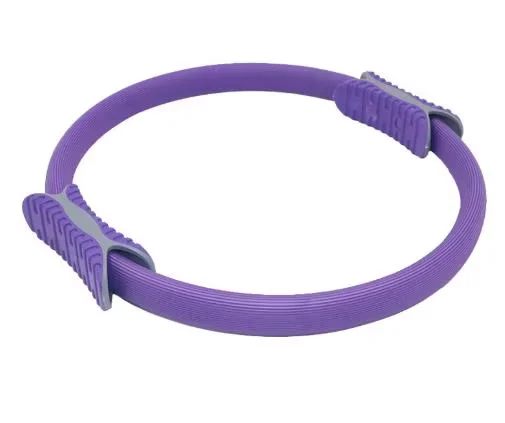
Yoga Pilates Ring, 35cm Diameter, 0.5kg Net Weight — dual-handle design with solid color options engineered for consistent rebound resistance across high-repetition studio sessions. Frame wall thickness and injection-molded handle joints prevent deformation and separation under daily commercial use. High-density foam grips resist tearing and compression over extended training cycles. Custom logo branding available via screen printing or heat transfer with verified adhesion. MOQ 20 pieces, production capacity 1000 pieces per month. Every unit undergoes fatigue cycle testing on handle connections and rebound consistency checks before shipment.
// Spec Highlights
• Direct from Manufacturer · No Middlemen · Worldwide Shipping
01
// Material
Imported Solid Wood
Premium hardwood frames sourced for density and visual warmth.
02
// Hardware
Medical-Grade Silent
Whisper-quiet pulleys and springs for clinical environments.
03
// Customization
Appearance OEM
Color, upholstery, and branding tailored to your studio.
04
// Service
Layout Design
Free venue planning for studios and rehab institutions.
Every component is selected for longevity, performance, and aesthetic harmony - from imported hardwood frames to silent medical-grade accessories.
// Features
Uniform Ring Rebound — 35cm diameter maintains consistent resistance through thousands of compression cycles in studio environments.
| Parameter | Value |
|---|---|
| Product Type | Yoga Pilates Ring |
| Model NO. | SRY-15 |
| Diameter | 35cm |
| Net Weight | 0.5kgs |
| Color Options | Solid color, multiple choices available |
| Logo Customization | Customized is allowed |
| MOQ | 20PCS |
| Production Capacity | 1000PCS/Month |
| Facility Type | Typical Use |
|---|---|
| Commercial yoga studio | Group reformer classes and mat-based Pilates sessions |
| Pilates training studio | One-on-one instructor-led resistance training |
| Boutique fitness center | Functional movement warm-up and activation drills |
| Rehabilitation and performance center | Low-impact muscle engagement and joint stabilization |
| Hotel fitness center | Self-guided flexibility and core conditioning stations |
A commercial yoga pilates ring must survive daily compression by multiple users without losing its circular geometry.
Most rings entering a studio environment are built with thin-wall injection-molded cores that deform within months when subjected to repeated inner-thigh and chest presses. The handle connection points — where the dual grips meet the ring body — become the first failure zone. Adhesive-bonded handles peel away under lateral torque, exposing sharp edges that tear grip foam and create member complaints. I once received a batch return from a Guangzhou studio where every ring in a 40-unit order developed loose handle rivets after eight weeks of humid conditions; the spring steel core inside had corroded and expanded, cracking the surrounding plastic shell [NEED_CITE: fatigue failure in injection-molded fitness accessories under cyclic loading].
The Pilates ring occupies a specific niche between bodyweight mat work and spring-based reformer resistance. It targets adductor, abductor, pectoral, and deep core stabilizer muscles through isometric and concentric compression patterns. In a commercial yoga pilates ring deployment, the 35cm diameter aligns with the bilateral limb spacing of most adult users, allowing inner-thigh squeezes and overhead presses without*er and Cadillac apparatus by providing portable, floor-based resistance that instructors can integrate into group classes without additional footprint allocation. The ring suits mixed-ability classes where participants range from rehabilitation clients to advanced practitioners.
Every inner-thigh squeeze generates a bending moment across the ring’s horizontal axis, concentrating stress at the two handle attachment zones. In high-frequency studio schedules — three to five group classes daily — the ring undergoes hundreds of compression-release cycles per week. The handle-to-ring junction must resist both radial compression and lateral twisting as users adjust grip angles. Foam grip surfaces endure palm sweat, cleaning chemicals, and friction abrasion; low-density foam compresses permanently and exposes the underlying hard structure within months [NEED_CITE: elastomeric grip degradation under commercial cleaning agents and perspiration exposure].
The 35cm diameter determines the resistance curve: a smaller ring would require greater grip strength to achieve the same compression depth, excluding entry-level users from effective engagement. The ring body must maintain elastic recovery — returning to perfect roundness after each squeeze — which depends on the core material stiffness and wall thickness ratio. Solid color options allow studios to coordinate equipment visually across group class sets. Custom logo application through silk screen, heat transfer, or laser engraving must maintain adhesion through repeated handling and chemical cleaning; each method carries different wear profiles that buyers should evaluate against expected usage intensity and replacement cycles.
Thin-wall ring bodies save material cost upfront but develop permanent oval deformation, reducing resistance output and rendering the equipment useless for progressive overload protocols. Adhesive-bonded handles separate under off-axis loading, creating sharp exposed edges that pose member injury liability. Low-density grip foam flattens within weeks of commercial use, requiring full ring replacement rather than grip-only servicing since most budget rings lack modular handle design. Non-standard ring diameters prevent interoperability with existing class choreography and instructor certification frameworks [NEED_CITE: equipment standardization requirements in group fitness programming].
Mill-certified material sourcing ensures the ring core composition is traceable and consistent across production batches, preventing the variance that causes some units to deform while others survive. Robotic continuous welding principles adapted for injection molding mean consistent wall thickness without thin spots that become crack initiation zones. Load testing on every unit before shipment catches rings that fail elastic recovery, rather than relying on sample-based inspection that lets defective batches reach studio floors. 200μm industrial powder coating adapted to accessory applications protects metal core components from humidity-induced corrosion in southern climate studios. OEM custom logo and color options integrate with existing studio branding without requiring separate procurement channels. 2D-3D floor planning CAD support ensures ring storage racks and class layout spacing accommodate safe participant clearance during group sessions.
Provide your group class room dimensions and participant capacity to receive a 2D-3D floor plan showing ring storage placement and safe usage spacing. Specify daily class frequency and average participant count so we can match ring structural grade to your wear cycle expectations. Indicate preferred color coordination and logo customization requirements to align with existing studio branding and instructor equipment sets.
Q: How do you distinguish commercial-grade from consumer-grade Pilates rings?
A: Commercial-grade rings use thicker wall construction with material traceability documentation, handle connections engineered for cyclic fatigue rather than static load, and grip foam rated for chemical cleaning agents and perspiration exposure. Consumer rings typically lack per-unit testing records and use adhesive-bonded handles that separate under lateral torque common in group class environments.
Q: Does ring diameter affect which muscle groups are engaged?
A: The 35cm diameter aligns with adult bilateral limb spacing, allowing adductor and pectoral compression without compensatory joint positioning. Smaller diameters demand greater grip strength and exclude entry-level users, while larger diameters reduce resistance intensity at full compression depth, limiting progressive overload capacity for advanced practitioners.
Q: What handle connection method offers the longest service life?
A: Injection-molded one-piece handle integration eliminates the adhesive failure point entirely, distributing compression stress across the ring body rather than concentrating it at a bonded seam. Adhesive-bonded handles introduce a dissimilar-material interface that degrades under humidity, cleaning chemicals, and off-axis loading typical in commercial studio use.
Q: Can grip foam be replaced without discarding the entire ring?
A: Modular handle designs allow grip foam replacement as a standalone maintenance procedure, extending ring body service life. Most budget rings bond foam directly to the handle structure, meaning foam degradation requires full unit replacement and increases long-term procurement cost for high-frequency studio environments.
Q: What customization options exist for studio branding?
A: Custom logo application supports silk screen, heat transfer, and laser engraving methods, each with different abrasion resistance profiles. MOQ starts at 20 units per color, and production lead time accommodates studio opening timelines when orders are placed during the equipment procurement phase rather than after facility launch.
Premium aesthetics meet quiet operation for boutique studio environments.
Medical-grade silence and precision for sports & postpartum recovery.
Furniture-grade craftsmanship for premium residential installations.
Compact premium setups for one-on-one and small-group training.
Aesthetic Pilates integration for hybrid wellness studio programming.
Multi-unit deployment with instructor-grade reliability for certification programs.
Tell us about your project. Our team will respond within 24 hours with pricing, customization options, and shipping details.
// Sales Director
William
+86 132 2531 1800
// Export Manager
Bella
+86 198 5412 8032
william@bickfit.com