01 / Scenario
STUDIO
P
High-End Pilates Studios
Premium aesthetics meet quiet operation for boutique studio environments.
ISO
9001
CE
Certified
OEM
Available
10YR
Warranty
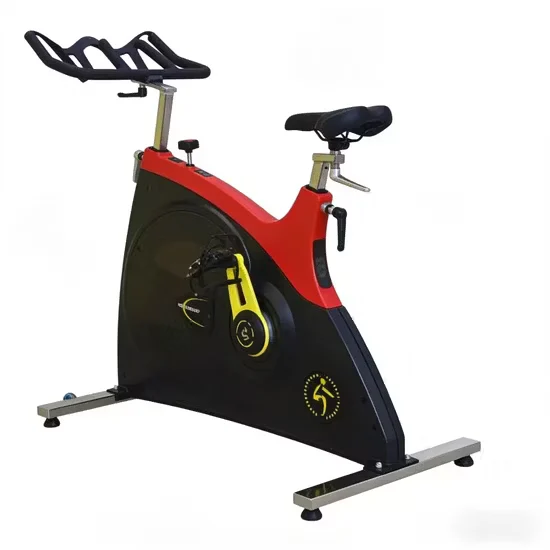
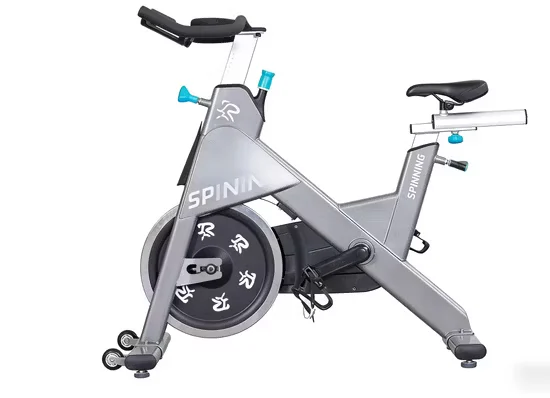
Commercial Indoor Spinning Bike, 10-20 kg Flywheel, 150kg Max Load — friction resistance system with leather belt transmission delivers smooth inertia for high-traffic studio sessions, while the 60kg net weight ensures stability during intense cycling. CE, GS, RoHS, and FCC certified for commercial deployment. Every unit undergoes load testing before shipment, backed by a 10-year frame warranty and floor planning support for optimal spacing.
// Spec Highlights
• Direct from Manufacturer · No Middlemen · Worldwide Shipping
01
// Material
Imported Solid Wood
Premium hardwood frames sourced for density and visual warmth.
02
// Hardware
Medical-Grade Silent
Whisper-quiet pulleys and springs for clinical environments.
03
// Customization
Appearance OEM
Color, upholstery, and branding tailored to your studio.
04
// Service
Layout Design
Free venue planning for studios and rehab institutions.
Every component is selected for longevity, performance, and aesthetic harmony - from imported hardwood frames to silent medical-grade accessories.
// Features
Friction-Driven Inertia — A 10-20 kg flywheel paired with leather belt transmission sustains momentum through high-cadence intervals without chain-slap or elastic snap-back.
| Parameter | Value |
|---|---|
| Product Type | Indoor Cycling Bike |
| Resistance Mechanism | Friction |
| Resistance Adjustment | Power-Style Resistance Adjustment |
| Transmission Mode | Leather Belt |
| Flywheel Weight | 10-20 kg |
| Max Load | 150 kg |
| Net Weight | 60 kg |
| Product Dimensions | 1473×520×1270 mm |
| Power Source | Man-powered (self-generated) |
| Certification | CE, GS, RoHS, FCC |
| Facility Type | Typical Use |
|---|---|
| Commercial Gymnasium | High-traffic cardio floor with continuous daily operation |
| Indoor Cycling Studio | Group class environments requiring synchronized resistance feel |
| Hotel Fitness Center | Guest-facing equipment demanding low-maintenance reliability |
Inadequate flywheel mass kills momentum consistency at cadence transitions.
Operators spec a commercial indoor spinning bike heavy duty expecting studio-grade inertia, only to find riders coasting through bottom-dead-center during standing climbs. A flywheel under 10 kg cannot store enough kinetic energy to smooth the pedal stroke above 90 RPM, forcing riders to muscle through dead spots. The leather belt on this unit transmits torque without the elastic stretch of rubber alternatives, keeping resistance application immediate and predictable throughout the stroke cycle. [NEED_CITE: rotational inertia requirements for stationary cycling equipment]
This Indoor Cycling Bike occupies the high-intensity aerobic zone where cadence-driven programming meets structural durability. The 1473×520 mm footprint accommodates riders across a wide anthropometric range, while the 150 kg load capacity handles dynamic loading from standing efforts. In studio configurations, units pair with resistance-controlled consoles to create synchronized class experiences. The friction-based resistance system delivers immediate tactile feedback that riders associate with outdoor cycling feel, making it suitable for facilities prioritizing authentic ride sensation over digital gamification.
Group cycling sessions generate repetitive impact loading that exposes weak joints within months. The friction pad contact surface experiences thermal cycling as riders alternate between sprint efforts and recovery intervals, demanding a pad compound that resists glazing. Leather belt transmission avoids the elongation problems of rubber belts under sustained heat, though periodic tension checks remain necessary. The 60 kg net weight anchors the frame against lateral sway during out-of-saddle efforts, but floor mounting provisions should be verified for high-traffic installations. Sweat infiltration around the resistance knob shaft and seat post clamp creates corrosion pathways that require sealed bearing interfaces. [NEED_CITE: material degradation under sweat exposure in fitness equipment]
The 10-20 kg flywheel weight range reflects a design compromise between inertia smoothness and start-up effort. Heavier flywheels store more kinetic energy, reducing the dead-spot sensation at low cadence, but increase the initial effort required to accelerate. The leather belt transmission eliminates the maintenance burden of chain lubrication while providing quieter operation suitable for studio environments with acoustic considerations. Friction resistance adjustment via pad-on-flywheel contact offers infinite variability within the resistance range, unlike magnetic systems that step through preset levels. The 150 kg maximum load rating accounts for dynamic forces generated during standing climbs, where rider weight transfers through the pedals and handlebars simultaneously. Self-generated power eliminates external electrical dependencies, allowing flexible placement without conduit routing.
Lightweight flywheels below 8 kg create a choppy pedal stroke that riders compensate for by mashing through dead spots, accelerating joint fatigue and increasing injury complaint rates. Rubber belt substitutes stretch permanently under thermal cycling, requiring replacement within months rather than years. Unsealed bearing interfaces at the crank and flywheel shaft allow sweat infiltration that corrodes races, creating play that manifests as knocking sounds during high-cadence efforts. Resistance pads formulated without thermal stability glaze over, creating inconsistent friction that forces riders to constantly readjust. Powder coating below 150μm thickness chips at contact points where riders mount and dismount, exposing bare steel to corrosion from sweat and cleaning chemicals. Non-standard hardware dimensions prevent aftermarket replacement when wear occurs, forcing complete assembly swaps. [NEED_CITE: bearing seal effectiveness in sweat-contaminated environments]
The friction-driven resistance system eliminates electronic failure points in environments where sweat and humidity accelerate component degradation. The 10-20 kg flywheel mass provides studio-quality inertia without the structural demands of heavier cast iron alternatives, keeping the 60 kg net weight manageable for floor reconfiguration. Leather belt transmission reduces maintenance intervals compared to chain drive while maintaining the direct power transfer that serious riders expect. The 150 kg load capacity with 60 kg frame mass creates a stability ratio that prevents walkaway during intense efforts. CE, GS, RoHS, and FCC certifications confirm compliance for international facility deployments. Manufacturer-direct sourcing eliminates distributor markups while providing access to replacement parts inventory.
Provide your cycling studio dimensions and unit count to receive a 2D-3D floor plan optimizing spacing for dynamic movement safety. Specify average daily session frequency to confirm component duty cycle alignment with your usage intensity. Indicate target rider height and weight ranges to verify adjustability accommodates your membership demographics. Custom color matching and facility branding integration available for multi-unit deployments.
Q: How does flywheel weight affect the riding experience on a commercial indoor spinning bike heavy duty?
A: Flywheel mass directly determines rotational inertia, which smooths the pedal stroke through top and bottom dead centers. A 10-20 kg range provides sufficient momentum for cadences above 90 RPM without requiring excessive initial acceleration effort. Lighter flywheels create a choppy sensation that forces riders to muscle through dead spots, while heavier alternatives increase start-up resistance. The leather belt transmission complements this mass by eliminating elastic stretch that would otherwise dampen the inertia benefit.
Q: What maintenance does leather belt transmission require compared to chain drive?
A: Leather belt systems eliminate chain lubrication requirements and the associated mess in studio environments. Periodic tension checks prevent slippage under high-torque efforts, but belts do not stretch permanently like rubber alternatives. Replacement intervals extend significantly compared to chain systems, though belts must be protected from oil contamination. The quieter operation suits acoustically sensitive group cycling rooms where instructor voice projection matters.
Q: How does friction resistance compare to magnetic systems for commercial use?
A: Friction resistance provides infinite variability through pad-on-flywheel contact, creating immediate tactile feedback that riders associate with outdoor cycling. Magnetic systems offer quieter operation and preset resistance levels but lack the progressive feel of physical contact. Friction pads require periodic inspection for glazing and replacement when worn, while magnetic systems have no contact wear. The choice depends on whether your programming prioritizes authentic ride sensation or maintenance minimization.
Q: What spacing should I maintain between units in a group cycling studio?
A: Maintain minimum 750 mm lateral clearance between bikes to accommodate elbow outward movement during standing efforts. Handlebar-to-wall distance should exceed 900 mm to prevent rider contact during forward-leaning positions. These clearances account for dynamic movement beyond static footprint dimensions. Insufficient spacing generates collision complaints within weeks of opening, forcing costly floor reconfiguration.
Premium aesthetics meet quiet operation for boutique studio environments.
Medical-grade silence and precision for sports & postpartum recovery.
Furniture-grade craftsmanship for premium residential installations.
Compact premium setups for one-on-one and small-group training.
Aesthetic Pilates integration for hybrid wellness studio programming.
Multi-unit deployment with instructor-grade reliability for certification programs.
Tell us about your project. Our team will respond within 24 hours with pricing, customization options, and shipping details.
// Sales Director
William
+86 132 2531 1800
// Export Manager
Bella
+86 198 5412 8032
william@bickfit.com

![Commercial Air Magnetic Resistance Cardio Air Spinning Bike Gym Equipment [WARN] draft identifier mismatch](https://bickgym.com/wp-content/uploads/2026/08/commercial-air-magnetic-resistance-cardio-air-spinning-bike-gym-equipment-warn-draft-identifier-mismatch-c5ca4e.webp)