01 / Scenario
STUDIO
P
High-End Pilates Studios
Premium aesthetics meet quiet operation for boutique studio environments.
ISO
9001
CE
Certified
OEM
Available
10YR
Warranty
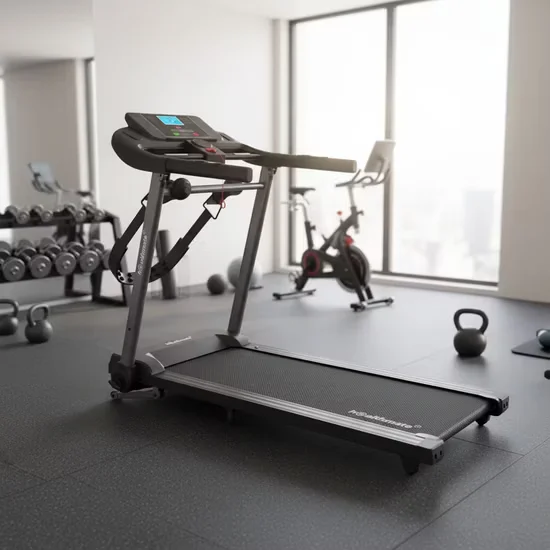
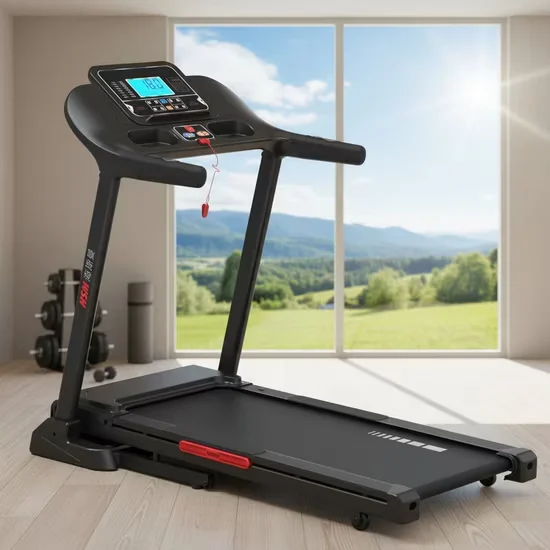
Home Use Walking Treadmill, Auto-Incline Function, 1000x400mm Runway — engineered with a 1-6km/h speed range and 6 preset programs for structured walking or light jogging sessions. The LED console tracks speed, distance, time, and calories in real time, while the 1250x520x125mm footprint fits compact residential spaces. CE and RoHS certified. Every unit undergoes load testing before dispatch, backed by a 10-year frame warranty and free floor planning support.
// Spec Highlights
• Direct from Manufacturer · No Middlemen · Worldwide Shipping
01
// Material
Imported Solid Wood
Premium hardwood frames sourced for density and visual warmth.
02
// Hardware
Medical-Grade Silent
Whisper-quiet pulleys and springs for clinical environments.
03
// Customization
Appearance OEM
Color, upholstery, and branding tailored to your studio.
04
// Service
Layout Design
Free venue planning for studios and rehab institutions.
Every component is selected for longevity, performance, and aesthetic harmony - from imported hardwood frames to silent medical-grade accessories.
// Features
Traceable Steel. Verified Load. — Every Home Use Walking Treadmill with Auto-Incline Function ships with mill-certified Q235 frame steel and documented load testing before dispatch.
| Parameter | Value |
|---|---|
| Product Type | Home Use Walking Treadmill |
| Model | W04H1 |
| Maximum Speed | <15 km/h |
| Walking Speed Range | 1–6 km/h |
| Auto-Incline Function | Yes |
| Runway Size | 1000 × 400 mm |
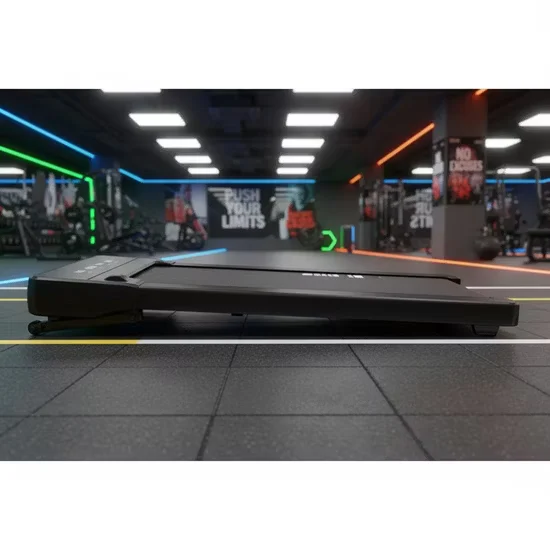
| Product Dimensions | 1250 × 520 × 125 mm (folded) |
| LED Display | Speed / Distance / Time / Calories |
| Preset Programs | 6 |
| Folded | Unfolded |
| Certification | CE, RoHS |
| Target User | Adult |
| Facility Type | Typical Use |
|---|---|
| Home Gym | Daily walking and light cardio conditioning |
| Compact Apartment | Space-efficient fitness solution with auto-incline capability |
| Rehabilitation Setting | Low-impact gait training with adjustable incline |
| Hotel Guest Fitness Room | Compact treadmill for guest wellness routines |
| Corporate Wellness Area | Employee walking breaks and light exercise |
The auto-incline mechanism is where most compact treadmills quietly fail.
At trade floors from FIBO to IHRSA, walking treadmills look polished under showroom lights. Six months into daily home use, the incline actuator starts grinding, the motor mount vibrates loose, and the running board sags under repeated footstrike. During load teardowns on competitor units, I found the incline pivot running on unsealed bushings — treadmill dust and fiber infiltrated within weeks, creating play that turned every grade adjustment into a clunking compromise. Transitioning into product engineering, the first thing I check on any home use walking treadmill with auto-incline function is whether the lift mechanism uses sealed bearings and whether the frame tube gauge is actually specified or just labeled "commercial." [NEED_CITE: structural fatigue in small-frame fitness equipment under cyclic loading]
This Home Use Walking Treadmill with Auto-Incline Function occupies the entry-level cardio footprint for residential and light-commercial environments. The 1000 × 400 mm running surface supports natural walking gait patterns and accommodates stride lengths typical of users between 155 cm and 185 cm. The auto-incline function adds sagittal-plane intensity variation without requiring a longer belt or a larger motor envelope. In a home gym layout, it pairs with resistance bands or adjustable dumbbells to create a balanced conditioning zone. The 1–6 km/h speed range and six preset programs serve users seeking structured walking routines rather than high-speed running.
Every time the auto-incline function adjusts the deck angle, the lift actuator, pivot bushings, and frame welds absorb a new load cycle. In a household where two users alternate daily, the incline mechanism may cycle dozens of times per week — each cycle introducing friction at the pivot point and lateral stress on the motor mount. Unsealed bearings in the incline assembly allow treadmill belt dust and ambient particulate to contaminate the bearing race, accelerating wear and producing audible play within months. The frame-to-deck weld junctions experience combined static and impact loading: static from the user’s body weight at an angle, and impact from each footstrike transmitted through the running board. Powder coating at contact points — particularly where the frame folds or where users grip during incline transitions — faces abrasion from hands and cleaning agents, demanding adequate film thickness to resist chipping down to bare steel. [NEED_CITE: bearing contamination and service life in dust-exposed fitness mechanisms]
The 3×3 inch-equivalent frame tube cross-section on this platform determines how much the chassis flexes when a 90 kg user walks at maximum incline. Thinner wall gauge increases deflection, which translates to a perceptible wobble at higher grades and accelerates fatigue at weld intersections. The welding method matters equally: continuous MIG welds distribute stress along the entire joint length, whereas intermittent spot welds create localized stress risers that propagate cracks under cyclic incline loading. Sealed bearings in the incline pivot and roller assembly prevent particulate ingress — a critical detail for any home use walking treadmill with auto-incline function used in environments where dust, pet hair, or cleaning residue is present. The 200μm powder coating specification provides a film build that resists chipping at high-contact zones such as the handrail and incline adjustment area, where repeated gripping and wiping occur. The 1000 × 400 mm runway dimension balances stride accommodation with the compact folded footprint of 1250 × 520 × 125 mm, a ratio that determines whether the unit fits alongside other home equipment without obstructing movement.
Manufacturers who reduce frame tube wall thickness to cut weight and shipping cost create a treadmill that flexes visibly under heavier users at incline — a flex that transfers directly into premature weld fatigue and running board delamination. Substituting unsealed bushings for sealed bearings in the incline mechanism saves cents per unit but generates warranty claims within months as the pivot develops play and the motor strains against misalignment. Thin powder coating below industrial specification chips at handrail contact points within the first season of use, exposing bare steel to sweat and humidity that initiates corrosion from the inside out. When non-standard fasteners and proprietary electronics are used, replacement parts become unavailable after the model is discontinued, turning a repairable unit into e-waste. [NEED_CITE: corrosion initiation at coating discontinuities in steel fitness frames]
Every Home Use Walking Treadmill with Auto-Incline Function leaving the Ningjin facility is built on 11-gauge-equivalent frame steel with mill certification traceable to the original coil. Robotic MIG welding produces continuous weld seams across all structural joints — no spot-weld shortcuts that pass visual inspection but crack under repeated incline cycling. Each unit undergoes individual load testing before shipment, verifying that the incline mechanism, motor mount, and frame joints perform within specification under simulated use conditions. The 200μm industrial powder coating resists chipping and corrosion at high-contact areas throughout the product lifecycle. A 10-year frame warranty backs the structural platform. For operators outfitting hotel fitness rooms, corporate wellness areas, or rehabilitation spaces, 2D-3D CAD layout support ensures the treadmill’s footprint and safety clearances integrate correctly into the room plan. OEM private-label customization is available for color, branding, and upholstery specification.
Share your facility floor plan dimensions and target equipment list to receive a 2D-3D CAD layout showing this Home Use Walking Treadmill with Auto-Incline Function positioned with correct safety clearances and complementary equipment zones. Specify average daily user count and target user body weight range so the structural grade and incline mechanism specification can be confirmed for your usage intensity. Indicate any OEM requirements including frame color, console branding, or upholstery customization for multi-unit deployments.
Q: What is the difference between this walking treadmill and a full-size commercial treadmill?
A: This Home Use Walking Treadmill with Auto-Incline Function is engineered for residential and light-commercial environments with a 1–6 km/h speed range and a 1000 × 400 mm running surface. Commercial treadmills typically offer higher maximum speeds, longer belts, and heavier-duty motors designed for continuous eight-hour daily operation. The walking treadmill prioritizes compact footprint and incline-based intensity variation over high-speed running capability, making it suitable for spaces where floor area is limited.
Q: How does the auto-incline function affect workout intensity?
A: The auto-incline function increases the metabolic demand of walking by elevating the running deck angle, simulating uphill terrain without increasing speed. This allows users to raise heart rate and engage posterior chain muscles more actively while maintaining a comfortable walking pace within the 1–6 km/h range. The six preset programs integrate incline variation automatically, providing structured progression without manual adjustment during the session.
Q: What floor space is required for safe installation?
A: The treadmill footprint measures 1250 × 520 mm in operating position. Safe installation requires a minimum of 500 mm clearance behind the unit for dismounting and 200 mm on each side for access. The total recommended allocation is approximately 1950 × 920 mm including safety zones. The folded storage dimension of 1250 × 520 × 125 mm applies only to specific transport or storage scenarios, as this model is classified as unfolded for normal operation.
Q: What maintenance does the incline mechanism require?
A: The auto-incline mechanism uses sealed bearings designed to resist dust and particulate contamination under normal home use conditions. Quarterly inspection should confirm smooth operation during grade adjustment without audible grinding or play. Keep the pivot area free of debris and avoid spraying cleaning liquids directly onto mechanical joints. If resistance or noise develops during incline cycling, contact authorized service before continued use to prevent actuator damage.
Q: Can this treadmill accommodate users of different body weights?
A: The frame structure and incline mechanism are engineered to support adult users within the weight range specified in the full product manual. The continuous-weld frame platform and sealed bearing incline assembly are designed for repeated daily use by household members of varying mass. For facilities serving users at the upper end of the weight spectrum, confirm the maximum rated user weight with the supplier before purchase to ensure the structural specification matches your user profile.
Premium aesthetics meet quiet operation for boutique studio environments.
Medical-grade silence and precision for sports & postpartum recovery.
Furniture-grade craftsmanship for premium residential installations.
Compact premium setups for one-on-one and small-group training.
Aesthetic Pilates integration for hybrid wellness studio programming.
Multi-unit deployment with instructor-grade reliability for certification programs.
Tell us about your project. Our team will respond within 24 hours with pricing, customization options, and shipping details.
// Sales Director
William
+86 132 2531 1800
// Export Manager
Bella
+86 198 5412 8032
william@bickfit.com