01 / Scenario
STUDIO
P
High-End Pilates Studios
Premium aesthetics meet quiet operation for boutique studio environments.

ISO
9001
CE
Certified
OEM
Available
10YR
Warranty
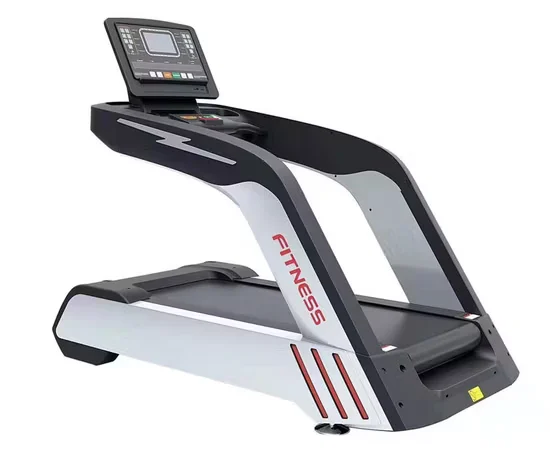
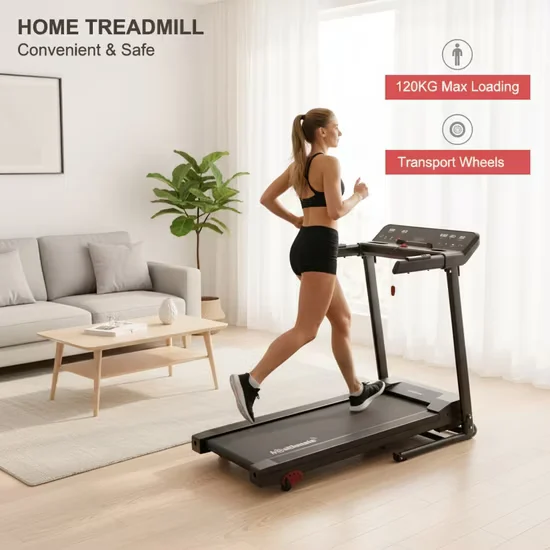
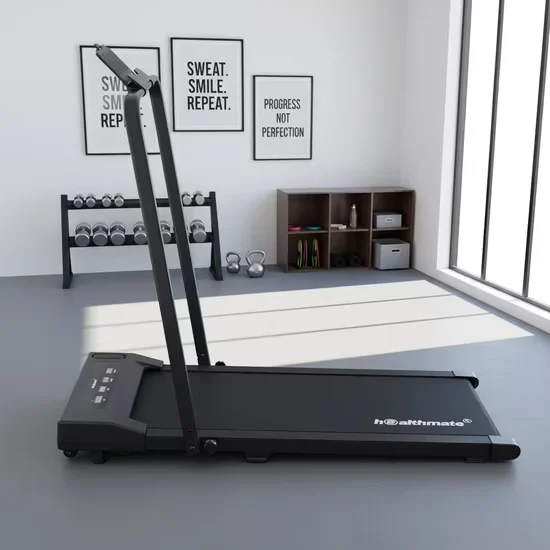
Household Manual Incline Treadmill, 1.5HP DC Motor, 1200×420mm Running Deck — foldable frame with hinge-lock design reduces storage footprint for residential spaces, while the 12 preset programs and multifunctional LCD console track speed, distance, time, calories, and pulse for structured home cardio sessions. CE and RoHS certified for household electrical safety compliance. Every unit undergoes fold-cycle durability testing and motor thermal verification before shipment to ensure reliable daily home use.
// Spec Highlights
• Direct from Manufacturer · No Middlemen · Worldwide Shipping
01
// Material
Imported Solid Wood
Premium hardwood frames sourced for density and visual warmth.
02
// Hardware
Medical-Grade Silent
Whisper-quiet pulleys and springs for clinical environments.
03
// Customization
Appearance OEM
Color, upholstery, and branding tailored to your studio.
04
// Service
Layout Design
Free venue planning for studios and rehab institutions.
Every component is selected for longevity, performance, and aesthetic harmony - from imported hardwood frames to silent medical-grade accessories.
// Features
Foldable Frame Integrity Under Repeated Use — The hinge joint and locking pin mechanism on this household manual incline treadmill is engineered to maintain lateral rigidity through thousands of fold-unfold cycles without developing wobble or play.
| Parameter | Value |
|---|---|
| Product Type | Household Manual Incline Treadmill |
| Motor Power | 1.5 HP DC |
| Maximum Speed | <15 km/h |
| Speed Range | 1–12 km/h |
| Running Surface | 1200 × 420 mm |
| Foldable Design | Yes |
| Product Dimensions (Unfolded) | 1490 × 720 × 1100 mm |
| Net Weight | 37 kg |
| LCD Console | Speed / Distance / Time / Calories / Pulse |
| Preset Programs | 12 |
| Incline Type | Manual |
| Certification | CE, RoHS |
| Facility Type | Typical Use |
|---|---|
| Residential Home Gym | Daily cardio sessions in dedicated workout rooms or multipurpose spaces |
| Apartment Living Spaces | Compact foldable storage when not in use, minimizing permanent footprint |
| Boutique Hotel Guest Fitness | Light-use cardio option for travelers in serviced apartments or small hotel gyms |
| Corporate Wellness Rooms | Employee break-time cardio in limited-square-footage wellness areas |
A household manual incline treadmill that cannot prove its steel source cannot prove its durability.
Many treadmills marketed for home fitness describe their frames as "commercial grade" without disclosing actual tube dimensions or steel grade. Buyers have no way to verify whether the structure will resist flex under repeated loading or whether the fold mechanism will develop play within months. The hinge joints and locking pins on foldable units face cyclical stress that rigid frames never encounter — making material specification and weld quality critical to long-term rigidity [NEED_CITE: structural steel fatigue under cyclic loading conditions].
This household manual incline treadmill occupies the low-to-mid intensity cardio zone, complementing strength equipment and functional training tools in residential settings. The 1200 × 420 mm running surface accommodates users of varying heights while the foldable frame allows the unit to be stored vertically against a wall when not in use. The 12 preset programs and LCD feedback support structured sessions without requiring external devices. For apartment environments, the compact unfolded footprint and foldable storage address space constraints that fixed commercial treadmills cannot solve.
Household treadmills experience a different stress profile than commercial units — lower peak loads but higher fold-unfold cycle counts on the hinge mechanism. The locking pins and hinge joints bear concentrated shear forces each time the frame is deployed or collapsed. Motor thermal management becomes relevant during extended sessions, as continuous duty ratings determine whether the drive system can sustain repeated use without overheating. The running belt and deck interface undergo repetitive friction cycling, while the console mounting points experience vibration-induced loosening over time [NEED_CITE: vibration fatigue in bolted joints under cyclic operation].
The 1.5 HP DC motor specification should be evaluated against continuous duty rating rather than peak output — a distinction that determines thermal performance during sustained use. The 1200 × 420 mm running surface width directly affects lateral stability; narrower belts force users into constrained stride patterns that increase joint stress. The fold mechanism’s hinge design and pin diameter determine whether the frame maintains rigidity after repeated deployment cycles or develops lateral play. LCD console functionality providing real-time speed, distance, time, calorie, and pulse feedback enables users to monitor workout intensity without external tracking devices.
Thin-wall frame tubing may pass visual inspection but deflects noticeably under sustained running loads, creating an unstable platform that compromises stride mechanics. Hinge joints secured with undersized pins or inadequate welds develop play rapidly in foldable designs, producing wobble that accelerates wear on all connected components. Non-sealed motor bearings in dusty residential environments accumulate particulate contamination, increasing friction and reducing drive system lifespan. Low-density deck cushioning compresses permanently within months, eliminating shock absorption and transferring impact directly to user joints [NEED_CITE: polymer foam compression set under repetitive loading].
The foldable frame on this household manual incline treadmill is constructed from traceable steel with documented material certification, ensuring the tube gauge and grade match engineering specifications. Robotic MIG welding produces continuous weld seams at hinge joints and stress points, eliminating the spot-weld weaknesses that crack under fold-cycle loading. Every unit undergoes load testing before shipment, verifying structural integrity across the full frame assembly including the fold mechanism. The 200μm powder coating applied after proper surface pretreatment resists chipping at contact points and protects against汗液 corrosion in home environments. BICKFIT provides 2D-3D CAD layout support to optimize placement and safe clearance distances around the treadmill in residential fitness spaces.
Provide your available floor area and desired equipment list to receive a 2D-3D CAD layout showing optimal placement and safe clearance distances for this household manual incline treadmill. Specify your expected daily usage hours to ensure the structural grade matches your operational intensity. Indicate any customization requirements for frame color or console branding to align with your residential or hospitality interior design.
Q: How does the foldable frame affect long-term structural rigidity compared to fixed treadmills?
A: Foldable treadmills introduce hinge joints and locking pins that fixed frames do not require. These connection points experience cyclical shear stress each time the unit is deployed or collapsed. Properly engineered fold mechanisms use oversized pins and continuous welds at hinge locations to maintain rigidity. Without these design considerations, foldable frames develop lateral play that compromises running stability and accelerates wear on connected components.
Q: What motor power is appropriate for daily household treadmill use?
A: A 1.5 HP DC motor provides adequate continuous duty performance for single-user household applications with sessions under one hour. The critical distinction is continuous duty rating versus peak output — motors rated only for peak performance overheat during sustained use. DC motors offer smoother speed control and quieter operation than AC alternatives, making them suitable for residential environments where noise matters.
Q: How does running deck size influence user comfort and safety?
A: The 1200 × 420 mm running surface accommodates most adult users while maintaining a compact overall footprint. Deck width directly affects lateral stability — narrower surfaces force constrained stride patterns that increase joint stress during longer sessions. Deck length determines whether taller users can maintain natural stride mechanics without feeling cramped or stepping onto the rear housing during use.
Q: Does the fold mechanism compromise frame stability during operation?
A: When properly engineered, fold mechanisms maintain equivalent rigidity to fixed frames during running use. The hinge joints must use oversized locking pins and continuous welds to resist the shear forces generated during footstrike. Lower-quality fold designs use undersized pins or spot welds that develop play over time, creating noticeable wobble. Inspecting the hinge construction and asking about pin diameter reveals whether the fold mechanism meets structural demands.
Premium aesthetics meet quiet operation for boutique studio environments.
Medical-grade silence and precision for sports & postpartum recovery.
Furniture-grade craftsmanship for premium residential installations.
Compact premium setups for one-on-one and small-group training.
Aesthetic Pilates integration for hybrid wellness studio programming.
Multi-unit deployment with instructor-grade reliability for certification programs.
Tell us about your project. Our team will respond within 24 hours with pricing, customization options, and shipping details.
// Sales Director
William
+86 132 2531 1800
// Export Manager
Bella
+86 198 5412 8032
william@bickfit.com