01 / Scenario
STUDIO
P
High-End Pilates Studios
Premium aesthetics meet quiet operation for boutique studio environments.
![HSM MT23B Motorized Treadmill Foldable Design Durable for Home Gym [WARN] draft identifier mismatch](https://bickgym.com/wp-content/uploads/2026/08/hsm-mt23b-motorized-treadmill-foldable-design-durable-for-home-gym-warn-draft-identifier-mismatch-d7b1b7.webp)
ISO
9001
CE
Certified
OEM
Available
10YR
Warranty
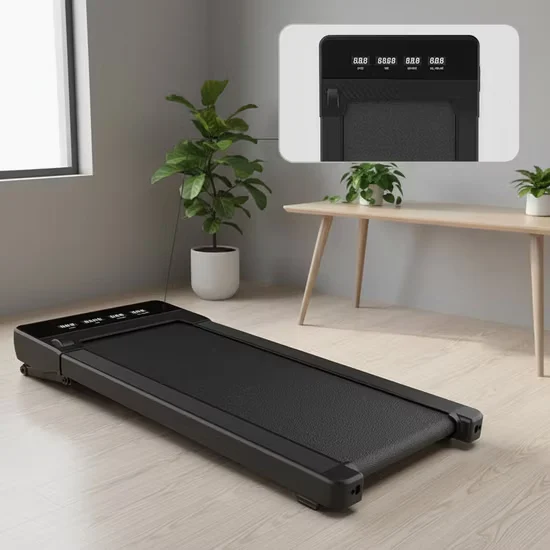
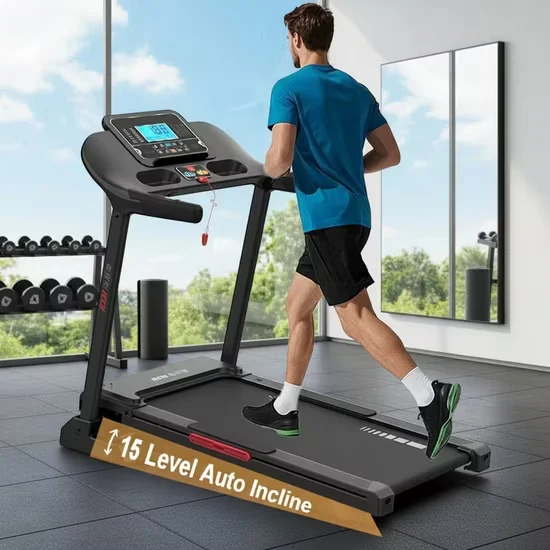
MT23B Motorized Treadmill, 1.5HP DC Motor, Foldable Frame, 1200x420mm Running Surface — engineered with a DC motor delivering consistent 1-12 km/h speed output and a space-saving foldable steel structure for repeated daily use. The LCD console tracks speed, distance, time, calories, and pulse across 12 preset programs, supported by CE and RoHS certifications for safe operation in home and light commercial environments. Every unit undergoes six-stage quality control inspection before shipment to ensure motor durability and structural reliability.
// Spec Highlights
• Direct from Manufacturer · No Middlemen · Worldwide Shipping
01
// Material
Imported Solid Wood
Premium hardwood frames sourced for density and visual warmth.
02
// Hardware
Medical-Grade Silent
Whisper-quiet pulleys and springs for clinical environments.
03
// Customization
Appearance OEM
Color, upholstery, and branding tailored to your studio.
04
// Service
Layout Design
Free venue planning for studios and rehab institutions.
Every component is selected for longevity, performance, and aesthetic harmony - from imported hardwood frames to silent medical-grade accessories.
// Features
Foldable frame integrity verified — The MT23B motorized treadmill features a reinforced folding mechanism with steel pivot points tested for repeated deployment cycles without structural play.
| Parameter | Value |
|---|---|
| Designation | MT23B |
| Product Type | Motorized Treadmill |
| Motor Power | 1.5 HP DC |
| Speed Range | 1-12 km/h |
| Running Surface | 1200 x 420 mm |
| Product Dimensions (Unfolded) | 1490 x 720 x 1100 mm |
| Folded | Yes |
| Console Display | LCD (Speed, Distance, Time, Calories, Pulse) |
| Preset Programs | 12 |
| Net Weight | 37 kg |
| Gross Weight | 42 kg |
| Certification | CE, RoHS |
| Condition | New |
| Age Group | Adult |
| Facility Type | Typical Use |
|---|---|
| Home fitness | Daily walking and jogging in residential spaces |
| Light commercial gym | Boutique studios with moderate daily traffic |
| Hotel fitness center | Guest-use cardio equipment in hospitality settings |
| Apartment gym | Shared residential fitness facilities |
Many motorized treadmill models advertise foldability as a space-saving feature without disclosing the engineering trade-offs. The MT23B motorized treadmill addresses this by integrating a foldable steel frame that maintains load-bearing integrity through reinforced pivot joints and locking mechanisms. The folding mechanism does not sacrifice frame stability during operation.
Manufacturers often use thin-wall tubing and minimal bracing to reduce weight for easier folding, resulting in lateral flex during running and premature wear at hinge points [NEED_CITE: structural fatigue in folding fitness equipment mechanisms]. The MT23B counters this with a frame design that distributes operational loads across multiple contact points rather than concentrating stress at the fold joint.
The MT23B occupies the entry-to-mid tier of motorized cardio equipment, covering linear running mechanics across a 1200 x 420 mm surface. Its 1-12 km/h speed range accommodates walking, brisk walking, and light jogging patterns, making it suitable for users prioritizing cardiovascular conditioning over high-intensity sprint training. In facility layouts, this motorized treadmill pairs with higher-capacity units for advanced runners and self-powered options for functional zones. The 420 mm belt width fits average adult stride patterns without excessive lateral movement.
Folding treadmills experience unique fatigue patterns compared to fixed-frame units. Each deployment and collapse cycle introduces stress at pivot points, locking pins, and gas strut mounting locations. The MT23B’s foldable design requires consistent lubrication at hinge joints to prevent metal-on-metal wear that compromises smooth operation. The 37 kg net weight indicates moderate material thickness, sufficient for residential and light commercial duty cycles but requiring inspection protocols for high-traffic environments. Belt tension and deck wear accelerate when frames flex during use, making structural rigidity critical for long-term belt life [NEED_CITE: belt tracking issues caused by frame deflection in folding treadmills].
DC motors in the 1.5 HP range deliver continuous power suitable for walking and light jogging but operate near capacity limits during sustained running at higher speeds. The DC motor type provides variable speed control through voltage adjustment rather than mechanical gearing, offering smoother acceleration profiles. The 1200 x 420 mm running surface pairs with a deck system that must resist deflection under footstrike impact—thinner decks common in foldable models accelerate motor wear by increasing impact shock transmission. The 12 preset programs adjust speed and incline parameters automatically, but motor cooling capacity determines whether these programs can run sequentially without thermal shutdown.
Manufacturers targeting residential markets often prioritize portability over structural longevity. Thin-wall steel frames below 2 mm gauge flex under dynamic loads, creating vibration that loosens fasteners and accelerates bearing wear. Non-sealed bearings in foldable models accumulate dust and debris from floor contact, developing play within months of regular use. Low-density foam rollers and thin belts require replacement within a year of daily use, while inadequate powder coating thickness exposes bare steel to sweat corrosion at handrail contact points [NEED_CITE: corrosion mechanisms in fitness equipment exposed to perspiration].
The MT23B motorized treadmill suits facilities requiring compact cardio equipment with reliable foldable functionality. Its 1490 x 720 mm unfolded footprint and foldable design allow flexible placement in space-constrained environments, though adequate clearance of 600 mm on all sides prevents user arm contact with adjacent equipment. The CE and RoHS certifications confirm compliance with European safety standards for electrical equipment. For light commercial applications, the 1.5 HP DC motor handles moderate daily use patterns, though facilities exceeding 15 hours daily operation should consider AC motor alternatives. The 12 preset programs provide workout variety without requiring complex console interfaces.
Provide your facility’s cardio zone dimensions and equipment list to receive 2D-3D layout planning with safety clearance verification. Specify daily usage hours and user volume to confirm whether the 1.5 HP DC motor matches your operational intensity requirements. Indicate target user demographic and body size range to validate the 1200 x 420 mm running surface accommodates your membership profile. Custom color options and branding requirements can be discussed during specification review.
Q: How do I determine if a foldable treadmill suits commercial gym use?
A: Evaluate daily usage hours and user volume against the motor’s continuous duty rating. Foldable treadmills with DC motors under 2.0 HP typically suit light commercial environments with moderate traffic. Verify frame construction uses adequate steel gauge at pivot points to resist flex during repeated folding cycles. Facilities exceeding 15 daily operating hours should consider fixed-frame AC motor models for extended service life.
Q: What maintenance does the folding mechanism require?
A: Folding pivot joints need monthly inspection and lubrication to prevent metal-on-metal wear that causes operational noise and structural play. Check locking pins for proper engagement before each use cycle. Gas struts supporting the fold mechanism lose pressure over time and require replacement when the frame fails to hold position. Keep hinge areas clean from dust and debris that accelerate bearing wear.
Q: How does belt width affect user comfort and safety?
A: The 420 mm belt width accommodates average adult stride patterns without requiring excessive lateral foot positioning. Narrower belts force users to concentrate foot placement, increasing cognitive load during exercise. Wider belts provide margin for natural stride variation but increase equipment footprint. Users with wider stances or those performing lateral movements should verify the running surface matches their biomechanical requirements.
Q: What indicates motor overload during treadmill operation?
A: Motor strain manifests as speed fluctuation under load, unusual noise from the drive system, or automatic shutdown during extended use. The 1.5 HP DC motor operates near capacity during sustained running at speeds above 10 km/h. Ensure adequate ventilation around motor housing to prevent thermal buildup. Users exceeding 100 kg body weight should limit continuous operation duration to prevent motor overheating.
Premium aesthetics meet quiet operation for boutique studio environments.
Medical-grade silence and precision for sports & postpartum recovery.
Furniture-grade craftsmanship for premium residential installations.
Compact premium setups for one-on-one and small-group training.
Aesthetic Pilates integration for hybrid wellness studio programming.
Multi-unit deployment with instructor-grade reliability for certification programs.
Tell us about your project. Our team will respond within 24 hours with pricing, customization options, and shipping details.
// Sales Director
William
+86 132 2531 1800
// Export Manager
Bella
+86 198 5412 8032
william@bickfit.com