01 / Scenario
STUDIO
P
High-End Pilates Studios
Premium aesthetics meet quiet operation for boutique studio environments.

ISO
9001
CE
Certified
OEM
Available
10YR
Warranty
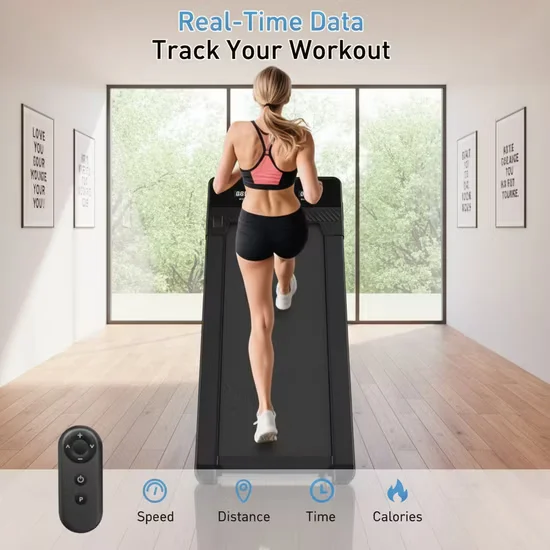
MT026M Foldable Motorized Treadmill, 1.5HP Motor, 1-12 km/h Speed Range, 1200×460mm Running Surface — engineered for home fitness and light rehabilitation with continuous-duty motor thermal management and foldable frame reducing storage height to 390mm. LCD console tracks speed, distance, time, calories, and pulse for rehab progress monitoring. CE and RoHS certified with every unit load-tested before shipment.
// Spec Highlights
• Direct from Manufacturer · No Middlemen · Worldwide Shipping
01
// Material
Imported Solid Wood
Premium hardwood frames sourced for density and visual warmth.
02
// Hardware
Medical-Grade Silent
Whisper-quiet pulleys and springs for clinical environments.
03
// Customization
Appearance OEM
Color, upholstery, and branding tailored to your studio.
04
// Service
Layout Design
Free venue planning for studios and rehab institutions.
Every component is selected for longevity, performance, and aesthetic harmony - from imported hardwood frames to silent medical-grade accessories.
// Features
Continuous-duty motor thermal management — the 1.5HP motor maintains consistent torque output across the full 1-12 km/h speed range without thermal shutdown during extended rehabilitation sessions.
| Parameter | Value |
|---|---|
| Product Type | Motorized Folding Treadmill |
| Motor Power | 1.5HP |
| Maximum Speed | 1-12 km/h |
| Running Surface | 1200×460mm |
| Unfolded Dimensions | 1465×750×1150mm |
| Folded Dimensions | 1465×750×390mm |
| Net Weight | 46.0 kg |
| Preset Programs | 12 |
| Display | LCD (Speed/Distance/Time/Calories/Pulse) |
| Frame Material | ABS housing with steel internal structure |
| Certification | CE, RoHS |
| Facility Type | Typical Use |
|---|---|
| Home fitness environments | Daily cardiovascular maintenance and light aerobic conditioning |
| Rehabilitation centers | Post-injury low-impact gait training and mobility recovery |
| Physical therapy clinics | Controlled speed walking protocols for patient recovery |
| Compact residential spaces | Storable cardio solution for limited square footage |
| Hotel guest fitness rooms | Space-efficient equipment for transient user needs |
Many folding treadmills sacrifice belt length and motor displacement to achieve smaller storage dimensions — resulting in belt slippage, motor overheating, and unstable deck feel during sustained use. The foldable motorized treadmill for home rehabilitation must balance footprint reduction with structural performance, particularly when users require consistent speed control for therapeutic walking protocols.
A 1200×460mm running surface provides adequate stride length for rehabilitation walking while maintaining foldable frame constraints.
Manufacturers often specify peak horsepower without disclosing continuous-duty ratings, leaving operators unaware of thermal limitations during extended sessions. The hinge mechanism and locking pins in foldable frames endure repeated articulation cycles that fixed-frame models never experience, demanding rigorous material selection and load testing at stress concentration points [NEED_CITE: fatigue performance of articulated hinge mechanisms in fitness equipment].
This foldable motorized treadmill for home rehabilitation occupies the low-to-moderate intensity cardiovascular segment, serving users who require controlled walking speeds rather than running gait patterns. The 1200×460mm belt accommodates natural stride length for walking rehabilitation without excessive deck overhang that would increase folded footprint. In facility configurations, it complements upper-body ergometers and recumbent bikes by providing lower-body cardiovascular options for users with balance limitations or joint restrictions. The 12 preset programs offer progressive speed variation without requiring manual console adjustment during therapy sessions.
Foldable treadmill frames experience unique fatigue patterns that fixed-frame models avoid entirely. Each articulation cycle loads the hinge pins and locking mechanisms with the full 46.0 kg equipment weight plus dynamic user forces during deployment. The motor mount must resist vibration-induced loosening while maintaining belt alignment across thousands of folding operations. Non-sealed bearings in the roller system accumulate dust and debris from residential environments, accelerating wear in the belt tracking mechanism. The ABS housing must withstand impact from accidental contact while protecting internal electrical components from moisture exposure during cleaning.
Motor continuous-duty rating determines thermal management capacity during extended rehabilitation sessions — a 1.5HP motor must dissipate heat effectively to prevent thermal shutdown during 30-minute walking protocols. The 1200×460mm running surface represents the minimum viable dimensions for comfortable walking gait while maintaining foldable frame constraints; shorter belts force users into unnatural stride patterns that compromise rehabilitation outcomes. The folding mechanism requires precision-machined hinge points with hardened steel pins to resist wear from repeated articulation under load. LCD console accuracy in speed and distance feedback directly impacts rehabilitation progress tracking, requiring calibrated sensors rather than estimated calculations.
Thin-wall tubing in foldable frames deflects visibly under dynamic loading, creating deck instability that increases fall risk for rehabilitation users. Spot-welded hinge brackets crack under repeated folding cycles, creating sudden failure points that compromise user safety. Non-sealed bearings develop play within months of residential use, generating noise and vibration that disturbs household environments. Low-density deck cushioning compresses permanently under repetitive footstrike, eliminating shock absorption and transferring impact forces to user joints. Thin powder coating chips at contact points during folding operations, exposing bare steel to corrosion from sweat and cleaning solutions.
The 1.5HP motor with verified continuous-duty rating ensures reliable operation across the full speed range without thermal management failures during extended rehabilitation sessions. The 1200×460mm running surface provides adequate stride accommodation for walking protocols while maintaining the 390mm folded height required for space-constrained environments. Each unit undergoes individual load testing before shipment, verifying structural integrity of the folding mechanism and motor mount under simulated use conditions. The 12 preset programs and LCD feedback system support structured rehabilitation protocols without requiring complex manual console operation. OEM customization options allow facility branding and color matching to existing interior design schemes.
Provide facility floor plans with available cardio zone dimensions to receive 2D-3D layout recommendations that optimize equipment spacing and traffic flow. Specify anticipated daily usage hours and user weight ranges to confirm motor thermal capacity and frame load rating match operational demands. Indicate target user population mobility limitations to verify speed range and running surface dimensions support rehabilitation requirements. Custom color schemes and facility branding options available for multi-unit deployments requiring visual consistency across cardio zones.
Q: How does motor continuous-duty rating differ from peak horsepower in treadmill selection?
A: Peak horsepower indicates maximum output under ideal conditions for brief intervals, while continuous-duty rating reflects sustained performance during extended use. For rehabilitation applications requiring 20-30 minute walking sessions, continuous-duty capacity prevents thermal shutdown and maintains consistent speed control throughout the session.
Q: What running surface dimensions are appropriate for rehabilitation walking versus running?
A: Rehabilitation walking typically requires 1200mm length minimum to accommodate natural stride length without forcing users into shortened gait patterns. The 460mm width provides adequate lateral stability for users with balance concerns while maintaining compact folded dimensions for space-constrained environments.
Q: How does foldable frame durability compare to fixed-frame treadmill construction?
A: Foldable frames experience additional stress from repeated articulation cycles that fixed frames avoid. Quality hinge mechanisms with hardened steel pins and reinforced mounting points maintain structural integrity across thousands of folding operations when properly engineered and load-tested.
Q: What maintenance requirements ensure long-term reliability of folding treadmill mechanisms?
A: Monthly inspection of hinge pins and locking mechanisms detects wear before failure occurs. Quarterly motor mount bolt torque checks prevent vibration-induced loosening. Regular belt lubrication reduces motor load and extends drive system life while maintaining consistent running surface friction characteristics.
Q: How do noise and vibration levels affect residential environment suitability?
A: Sealed bearings and precision-machined roller systems minimize operational noise compared to open bearing designs that accumulate debris. Vibration dampening at the motor mount and deck interface prevents transmission to floor surfaces, making the equipment suitable for multi-story residential installations.
Premium aesthetics meet quiet operation for boutique studio environments.
Medical-grade silence and precision for sports & postpartum recovery.
Furniture-grade craftsmanship for premium residential installations.
Compact premium setups for one-on-one and small-group training.
Aesthetic Pilates integration for hybrid wellness studio programming.
Multi-unit deployment with instructor-grade reliability for certification programs.
Tell us about your project. Our team will respond within 24 hours with pricing, customization options, and shipping details.
// Sales Director
William
+86 132 2531 1800
// Export Manager
Bella
+86 198 5412 8032
william@bickfit.com