01 / Scenario
STUDIO
P
High-End Pilates Studios
Premium aesthetics meet quiet operation for boutique studio environments.

ISO
9001
CE
Certified
OEM
Available
10YR
Warranty
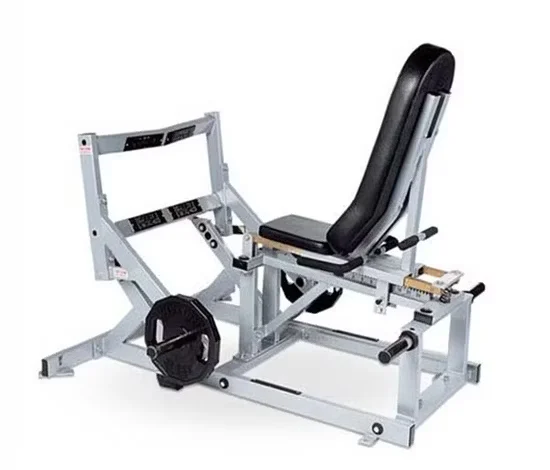
SRH-72 Plate Loaded Squat Machine, 50×100×3mm Frame Tube, 170kg Machine Weight — engineered with rectangular steel tubing sized to resist deformation under heavy axial and eccentric squat loads, eliminating flex that compromises bar path stability. Plate loaded design removes weight stack guide rods, reducing binding and maintenance failures common in high-traffic commercial environments. Every unit undergoes individual load testing before shipment to verify structural integrity under real-world gym conditions.
// Spec Highlights
• Direct from Manufacturer · No Middlemen · Worldwide Shipping
01
// Material
Imported Solid Wood
Premium hardwood frames sourced for density and visual warmth.
02
// Hardware
Medical-Grade Silent
Whisper-quiet pulleys and springs for clinical environments.
03
// Customization
Appearance OEM
Color, upholstery, and branding tailored to your studio.
04
// Service
Layout Design
Free venue planning for studios and rehab institutions.
Every component is selected for longevity, performance, and aesthetic harmony - from imported hardwood frames to silent medical-grade accessories.
// Features
Mill-Traceable Frame Steel — every SRH-72 unit uses Q345 rectangular tubing with coil-origin documentation available for structural verification.
| Parameter | Value |
|---|---|
| Designation | SRH-72 |
| Product Type | Plate Loaded Squat Machine |
| Frame Tube Size | 50×100×3mm |
| Steel Grade | Q345 industrial steel, mill-certified |
| Welding Type | Robotic MIG, continuous weld lines |
| Loading Type | Plate loaded |
| Product Dimensions | 1550×1480×1825mm |
| Net Weight | 170kgs |
| Powder Coating | 200μm scratch-resistant |
| Color Options | Customized |
| Certification | CE, ISO 9001, RoHS |
| HS Code | 9506911900 |
| Facility Type | Typical Use |
|---|---|
| Commercial gym strength floor | Primary bilateral lower-body compound station for open strength zones |
| University strength and conditioning room | Heavy-loaded squat programming for collegiate athletic teams |
| Hotel and resort fitness center | Durable squat station requiring minimal daily maintenance |
| Crossfit box functional zone | Accessory squat work between WOD sessions for experienced lifters |
| Rehabilitation and performance center | Controlled concentric-eccentric loading under coach supervision |
The frame tube dimensions and wall thickness are the only honest indicators of squat machine longevity.
When a supplier labels a squat rack frame as "commercial grade" without publishing the exact tube profile, the buyer is essentially trusting a marketing phrase over engineering data. Under a loaded barbell, the vertical and diagonal members of a commercial plate loaded squat machine experience combined axial compression and bending moments that thin-walled tubing cannot sustain over repeated cycles. [NEED_CITE: EN 957 structural requirements for stationary training equipment] I have inspected frames in Middle Eastern gym facilities where 2mm wall tubes showed visible deflection after months of heavy use, eventually compromising the weld integrity at critical junctions. A 50×100×3mm rectangular tube profile provides a meaningfully higher deformation threshold under the eccentric and static loads typical of commercial squat training.
The SRH-72 targets the sagittal plane, engaging the quadriceps, glutes, and supporting posterior chain through a guided squat movement pattern. In a commercial floor layout, this commercial plate loaded squat machine complements free-weight squat racks by offering a fixed bar path that allows lifters to train with heavy loads while reducing the stabilization demand on the core and ankles. It is best suited for facilities with moderate-to-high daily traffic where experienced users seek controlled overload. The machine accommodates a broad range of user heights through its fixed geometry and plate-loading horns.
Every repetition subjects the primary load-bearing joints to a cycle of compression, shear, and moment transfer. Over hundreds of daily repetitions, these cyclic stresses concentrate at the junctions where the upright meets the base frame and where the carriage connects to the guide mechanism. Spot-welded connections at these points develop micro-cracks that propagate under continued fatigue loading. [NEED_CITE: weld classification and fatigue performance in structural steel] Continuous robotic MIG welding distributes the stress along a uniform weld line, preventing the localized failures typical of manual spot welding. The 200μm powder coating further protects these critical zones from sweat-induced corrosion and cleaning chemical exposure common in high-traffic commercial environments.
The 3mm wall thickness on a 50×100mm rectangular section determines how much bending stress the tube can absorb before permanent deformation begins. The rectangular cross-section provides a higher second moment of area compared to a round tube of equivalent weight, meaning the flat faces resist the lateral bending forces generated during off-center barbell loading. Robotic MIG welding ensures each joint achieves full penetration along the weld line, eliminating the cold joints and incomplete fusion defects that can appear in manual welding. The 200μm powder coating thickness, applied after sandblasting, provides a scratch-resistant surface that maintains adhesion at high-contact points such as the plate-loading horns and user contact areas. Plate loading eliminates the weight stack guide rods found on selectorized machines, removing a frequent source of binding under off-center loads.
A frame built with 2mm wall tubing may pass a visual inspection on the showroom floor, but under repeated heavy squat loading it develops measurable flex that accelerates fatigue at every welded connection. Non-sealed bearings in the carriage system accumulate chalk dust and sweat residue, creating play that degrades the bar path and demands premature replacement. Powder coatings below 100μm chip at contact points within months, exposing bare steel to moisture and initiating corrosion that compromises structural appearance and integrity. These deferred failures compound into equipment downtime, replacement part orders, and ultimately full unit retirement — costs that far exceed the marginal savings from thinner materials at procurement. [NEED_CITE: powder coating thickness standards for commercial fitness equipment]
Every SRH-72 frame begins with Q345 steel traceable to the originating coil, so buyers can verify the material specification against the mill certificate. Robotic MIG welding produces continuous weld lines along every structural joint, eliminating the spot-weld weak points that fail first under repeated loading. Before shipment, each unit undergoes an individual load test — not a sample-based inspection — confirming structural performance under loaded conditions. The 200μm industrial powder coating resists scratching and chemical degradation at contact-heavy zones. A 10-year frame warranty backs the structural assembly. For facility planning, the 1550×1480mm footprint and required safety clearances are documented in CAD files, ensuring safe inter-station spacing on the strength floor. Color and finish customization is available to maintain branding consistency across multi-site deployments.
Provide your strength zone dimensions and target equipment list to receive a 2D-3D layout showing the SRH-72 positioned with verified safety clearances. Specify your facility’s daily user volume so we can confirm the structural grade matches your traffic profile. Share the height and weight range of your primary user population to validate the machine’s fixed geometry suitability. Indicate any color, logo, or finish customization requirements to align with your branding standards.
Q: How can I verify the frame steel is genuinely commercial grade before purchasing?
A: Request the mill certificate tied to the coil batch used for your order. A legitimate commercial plate loaded squat machine manufacturer will provide documentation showing the steel grade, wall thickness, and chemical composition. Compare the certified 50×100×3mm specification against the physical frame upon delivery using calipers. [NEED_CITE: steel mill certification standards for structural tubing] Suppliers who cannot produce coil-level traceability are likely sourcing uncertified material.
Q: What clearance space is needed around this squat machine in a commercial layout?
A: Beyond the 1550×1480mm machine footprint, allocate additional space on the loading side for plate handling and on the exit side for user dismount. A CAD-based floor plan accounts for these operational zones and ensures no overlap with adjacent station traffic paths. Always verify clearances against your local fire and accessibility codes before finalizing the layout.
Q: How does plate loaded design compare to selectorized in long-term maintenance?
A: Plate loaded machines eliminate weight stack guide rods, selector pins, and aircraft-cable pulley systems — components that require regular adjustment and eventual replacement. The SRH-72 relies on plate-loading horns and a simplified carriage mechanism, reducing the number of wear parts that demand scheduled maintenance. This makes the commercial plate loaded squat machine particularly suitable for facilities that want to minimize technician visits and parts inventory.
Premium aesthetics meet quiet operation for boutique studio environments.
Medical-grade silence and precision for sports & postpartum recovery.
Furniture-grade craftsmanship for premium residential installations.
Compact premium setups for one-on-one and small-group training.
Aesthetic Pilates integration for hybrid wellness studio programming.
Multi-unit deployment with instructor-grade reliability for certification programs.
Tell us about your project. Our team will respond within 24 hours with pricing, customization options, and shipping details.
// Sales Director
William
+86 132 2531 1800
// Export Manager
Bella
+86 198 5412 8032
william@bickfit.com