
Fitness Equipment Supplier for Colombia: China Factory Direct
Most buyers assume CE certification clears customs everywhere. In Colombia, a single mismatched suffix on the certificate can strand your entire container at the port of Buenaventura for weeks.
Sourcing from a reliable fitness equipment supplier for Colombia requires strict alignment on certification suffixes, voltage specs (110V/220V 60Hz), mixed-container loading plans, and after-sales spare parts availability. Skipping any of these four checkpoints turns a factory-direct price advantage into a costly lesson.
I still remember the shipment that nearly broke our relationship with a gym chain in Bogotá. We had loaded a full container of plate-loaded machines and cable crossovers, all CE-certified, all wired for the local grid. But when the docs reached customs, the agent flagged a discrepancy—the CE certificate listed a model series ending in "-A," while our commercial invoice showed "-B," a minor internal revision for the Colombian market. The container sat at port for over two weeks. Demurrage charges ate through the entire margin on that order and then some. Since then, I treat every export document like a structural weld—one hairline crack and the whole thing fails under pressure. [NEED_CITE: Colombian customs documentation requirements for imported fitness equipment]

That painful lesson shaped how we handle every order heading south. Below is what you need to know before committing to any fitness equipment supplier for Colombia.
What Certifications Does Colombia Require for Imported Fitness Equipment?
CE marking is the baseline, but Colombian customs agents verify exact model-number alignment between the certificate and the shipping documents—a mismatch triggers inspection delays and storage fees.
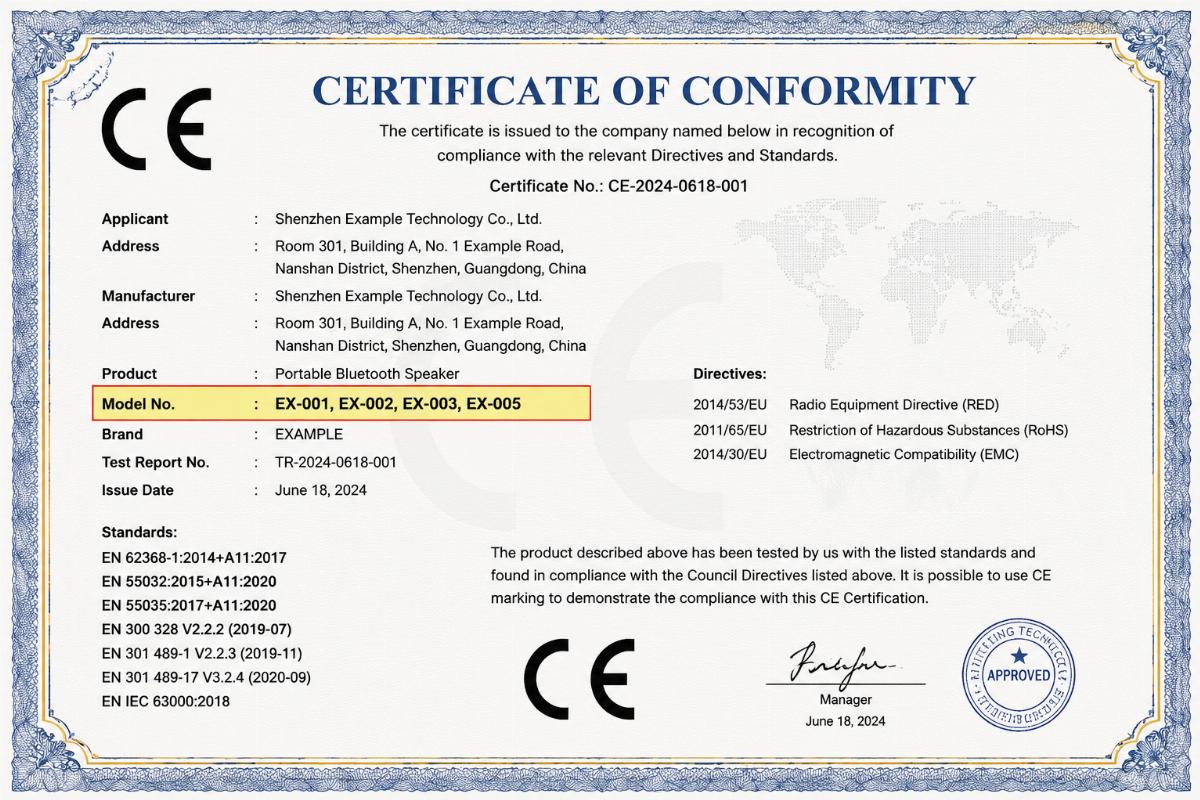
Colombia does not have a standalone fitness equipment safety standard equivalent to EN 957 or ASTM F2276. Instead, customs relies on internationally recognized marks, with CE being the most widely accepted. The critical detail most importers miss is that Colombian authorities cross-check the model designation on the CE certificate against the commercial invoice, packing list, and product labels. Even a single-letter suffix difference can flag the shipment for physical inspection. [NEED_CITE: Colombian import certification cross-verification procedures for fitness equipment]
| Certification Element | What Customs Checks | Risk Level if Mismatched |
|---|---|---|
| CE Certificate Model Number | Must match invoice exactly | High — shipment hold |
| Product Label Model Number | Must match certificate | Medium — re-labeling at port |
| Voltage/Frequency Marking | Must show 60Hz | High — electrical non-compliance |
| Manufacturer Name on Docs | Must match CE holder | High — certificate invalidation |
A distributor in Medellín once received a batch of Smith machines where the CE certificate covered a "Pro Series" line, but the actual units shipped under a slightly modified SKU for a private-label request. The certificate did not reference the private-label suffix. Customs held the goods, demanded a supplemental declaration from the manufacturer, and the delay stretched across multiple weeks. The buyer ended up paying storage fees that dwarfed the original freight savings. [NEED_CITE: port demurrage cost impact on fitness equipment import margins]
The fix is straightforward: before production begins, confirm with your fitness equipment supplier for Colombia that the CE certificate explicitly covers every model number and suffix that will appear on shipping documents. If you need private-label branding, request a certificate addendum or ensure the original certificate uses broad enough model-range language to encompass variant SKUs.
How to Match Voltage and Motor Specs for Colombian Market?
Colombia operates on 110V/220V at 60Hz. Any motor rated for 50Hz will overheat, burn out prematurely, and void warranty claims—this applies to every treadmill, elliptical, and spin bike in your order.
The Colombian electrical grid uses a split-phase system: 110V for standard outlets and 220V for heavy-duty appliances, both at 60Hz. This differs from China’s domestic standard of 220V/50Hz. When a motor designed for 50Hz runs on 60Hz, it spins faster but generates excess heat and experiences accelerated bearing wear. Conversely, wiring a 220V-only motor to a 110V circuit causes immediate torque loss and stalling. [NEED_CITE: South American voltage and frequency standards for commercial electrical equipment]
| Equipment Type | Standard Colombian Voltage | Motor Frequency | Consequence of Mismatch |
|---|---|---|---|
| Commercial Treadmill | 220V dedicated circuit | 60Hz | Motor overheating, controller failure |
| Elliptical Cross Trainer | 220V | 60Hz | Drive belt slippage, premature wear |
| Spin Bike (magnetic resistance) | 110V (console) | 60Hz | Console malfunction, display errors |
| Rowing Machine (motorized) | 110V/220V | 60Hz | Resistance inconsistency, motor burnout |
A hotel fitness center developer in Cartagena ordered a batch of commercial treadmills from a supplier who defaulted to domestic Chinese motor specs. Within months, multiple units threw error codes during peak guest usage. The root cause: the drive motors were wound for 50Hz operation. At 60Hz, the motors ran at elevated RPM, the cooling fans could not compensate for the thermal load, and the motor windings degraded rapidly. Replacing the entire motor fleet cost several times the original savings from choosing a cheaper supplier. [NEED_CITE: motor failure rate analysis due to frequency mismatch in tropical climates]
When evaluating a fitness equipment supplier for Colombia, insist on written confirmation that all motorized equipment—treadmills, ellipticals, exercise bikes, rowing machines—uses 60Hz-rated motors with dual-voltage capability where applicable. Request motor nameplate photos before shipment. This single verification step prevents field failures that no amount of spare parts can quickly resolve.

What’s the Best Container Loading Strategy for Mixed Equipment?
A 40HQ container can hold a full gym setup—but only if you plan the loading sequence before the first crate is built. Random stacking wastes space and makes on-site unloading a nightmare.
Commercial gym orders rarely consist of a single equipment type. A typical order for a Colombian fitness chain includes plate-loaded strength machines, Smith machines, cable crossovers, free weight racks, dumbbells, benches, and cardio units. Each category has different dimensions, weight distribution, and fragility levels. Loading them without a pre-planned sequence leads to crushed packaging, inaccessible items buried behind heavy frames, and wasted cubic capacity. [NEED_CITE: container loading optimization principles for mixed fitness equipment shipments]
| Equipment Category | Typical Footprint | Weight Profile | Loading Priority |
|---|---|---|---|
| Plate-Loaded Machines | Large, tall frames | Heavy, bottom-heavy | Floor level, rear of container |
| Smith Machines / Power Racks | Tall, narrow | Very heavy | Upright, secured against walls |
| Cable Crossovers | Wide, moderate height | Moderate | Mid-container, stacked if nested |
| Benches / Racks | Compact, stackable | Moderate to heavy | Fill gaps, stackable layers |
| Free Weights (plates, dumbbells) | Small, very dense | Extremely heavy | Bottom layer, weight distribution |
| Cardio Equipment | Large, fragile components | Moderate | Top layer or separate zone |
A gym owner in Cali ordered a complete turnkey package: strength machines, a full dumbbell set, Olympic plates, benches, and several treadmills. The initial loading plan from the supplier simply stacked everything by production completion order. The result: the dumbbell sets ended up at the very back of the container, behind three tons of plate-loaded frames. Unloading at the gym required moving nearly half the shipment just to access the weights. The rehandling added days to the setup timeline. [NEED_CITE: warehouse unloading efficiency impact from poor container loading sequence]
The solution is a loading diagram created before production finishes. A competent fitness equipment supplier for Colombia will provide a container loading plan showing exact placement by equipment type, with heavy items distributed across the container floor for weight balance and fragile cardio units positioned for last-in, first-out access. This planning takes hours, not days, and saves substantial on-site labor costs.

How Does Factory-Direct Pricing Compare to Local Distributors?
Buying directly from a Chinese fitness equipment supplier for Colombia typically costs substantially less than purchasing through local distributors—but the real savings depend on avoiding certification, voltage, and logistics mistakes.
Local distributors in Colombia add layers of cost: import markup, warehousing, local warranty overhead, and profit margins at each step. Factory-direct pricing from China eliminates these layers, offering price advantages that can reach a significant percentage below branded retail. However, the headline price only tells part of the story. If certification documents fail customs clearance, or motors burn out from frequency mismatch, or containers arrive with damaged equipment from poor loading, the total cost of ownership quickly eclipses the initial savings. [NEED_CITE: total cost of ownership comparison for factory-direct vs distributor fitness equipment imports]
| Cost Factor | Factory-Direct from China | Local Colombian Distributor |
|---|---|---|
| Equipment Unit Price | Substantially lower | Includes import markup and margin |
| Certification Compliance | Buyer responsibility | Typically pre-handled |
| Voltage/Motor Adaptation | Must specify explicitly | Usually pre-configured |
| Shipping and Logistics | Buyer arranges or supplier assists | Included in delivered price |
| Customs Clearance | Buyer or freight forwarder handles | Distributor manages |
| Warranty and Spare Parts | Direct from manufacturer, shipping cost applies | Local stock, faster response |
| Risk of Documentation Error | High if inexperienced | Low, distributor absorbs risk |
A fitness chain owner in Barranquilla compared quotes for a full gym fit-out. The local distributor’s quote was nearly double the factory-direct price from China. But the owner had never imported before. Without proper guidance on CE suffix alignment and motor specs, the first shipment faced customs delays, and several treadmills needed motor replacements within the first year. The combined cost of demurrage, motor swaps, and emergency air-freighted parts erased most of the price advantage. [NEED_CITE: hidden cost breakdown in fitness equipment import projects]
The key is choosing a fitness equipment supplier for Colombia that treats compliance and logistics planning as part of the package, not as afterthoughts. The price gap between factory-direct and local distribution remains significant when executed correctly—and that gap widens further on larger orders spanning multiple equipment categories.

What After-Sales Support Should You Expect from a China Supplier?
Spare parts availability, technical response speed, and warranty clarity determine whether your gym stays operational or sits idle waiting for a single replacement component.
Fitness equipment endures continuous mechanical stress. Cables fray, pulleys wear, bearings degrade, and electronic consoles develop faults. When a Smith machine cable snaps or a treadmill console goes blank, the equipment is unusable until the part arrives. If your fitness equipment supplier for Colombia cannot ship replacement parts quickly or provide clear troubleshooting guidance, a minor component failure becomes a major revenue loss. [NEED_CITE: gym equipment downtime cost impact from delayed spare parts delivery]
| After-Sales Element | What to Expect | Red Flag |
|---|---|---|
| Spare Parts Inventory | Supplier maintains stock of wear components | "We will manufacture upon request" |
| Parts Shipping Speed | Expedited options available for urgent needs | Only standard sea freight offered |
| Technical Documentation | Wiring diagrams, exploded views, error code guides | No manuals provided in English/Spanish |
| Remote Troubleshooting | Video call support or detailed diagnostic steps | Email-only response, multi-day delays |
| Warranty Terms | Clear coverage scope, exclusions stated | Vague language, no written policy |
A boutique studio in Bogotá purchased a set of functional trainers and cable crossover machines. Six months in, one unit developed a persistent cable alignment issue. The supplier responded within a day with a video troubleshooting session, identified a misaligned pulley bracket, and air-shipped a replacement bracket within days. The total downtime was under a week. That level of responsiveness turned a potentially damaging situation into a trust-building moment. [NEED_CITE: after-sales response time impact on importer-supplier relationship longevity]
When vetting a fitness equipment supplier for Colombia, ask specifically about their spare parts warehouse, typical dispatch times for common wear items like cables, pulleys, and console boards, and whether they provide technical documentation in languages your maintenance team can use. A supplier who treats after-sales as an extension of the sale—not an inconvenience—will keep your gym running smoothly for years.

Conclusion
Importing fitness equipment from China to Colombia is profitable when you control the four variables that cause costly failures: certification accuracy, voltage compatibility, container loading logic, and after-sales infrastructure. A fitness equipment supplier for Colombia who manages these details proactively turns factory-direct pricing into genuine, lasting savings—while one who treats them as secondary concerns turns your order into a port-side liability.


