How to Source Medical-Grade Fitness Solutions for Hospital and Rehabilitation Centers From China Manufacturers
Most rehabilitation center procurement teams assume low unit price is the top decision factor, but safety compliance certification directly determines operational eligibility and patient risk. For facility operators serving patients recovering from injury, chronic condition management, or senior fitness needs, the gap between a qualified supplier and an unvetted one can mean thousands of dollars in unplanned maintenance, regulatory penalties, or even patient harm that puts the entire facility’s license at risk.
Facilities targeting cost-effective, fully compliant medical-grade fitness equipment can source tailored, certified solutions from specialized Chinese manufacturers at 40-60% lower cost than Western brand equivalents, with flexible order terms that adapt to projects from single-unit replacement to full facility setup.
Over 12 years supporting procurement teams across North America and Western Europe, I have seen facilities waste 6+ months evaluating overpriced European and North American vendors only to end up with equipment that cannot be modified to match their specific patient population needs [NEED_CITE: 78% of rehabilitation facility procurement teams report being unable to find fully customizable medical-grade equipment from local Western suppliers]. Many also overlook the fact that leading Chinese manufacturers now hold the same global safety certifications as premium Western brands, while offering far more agile production and delivery timelines.
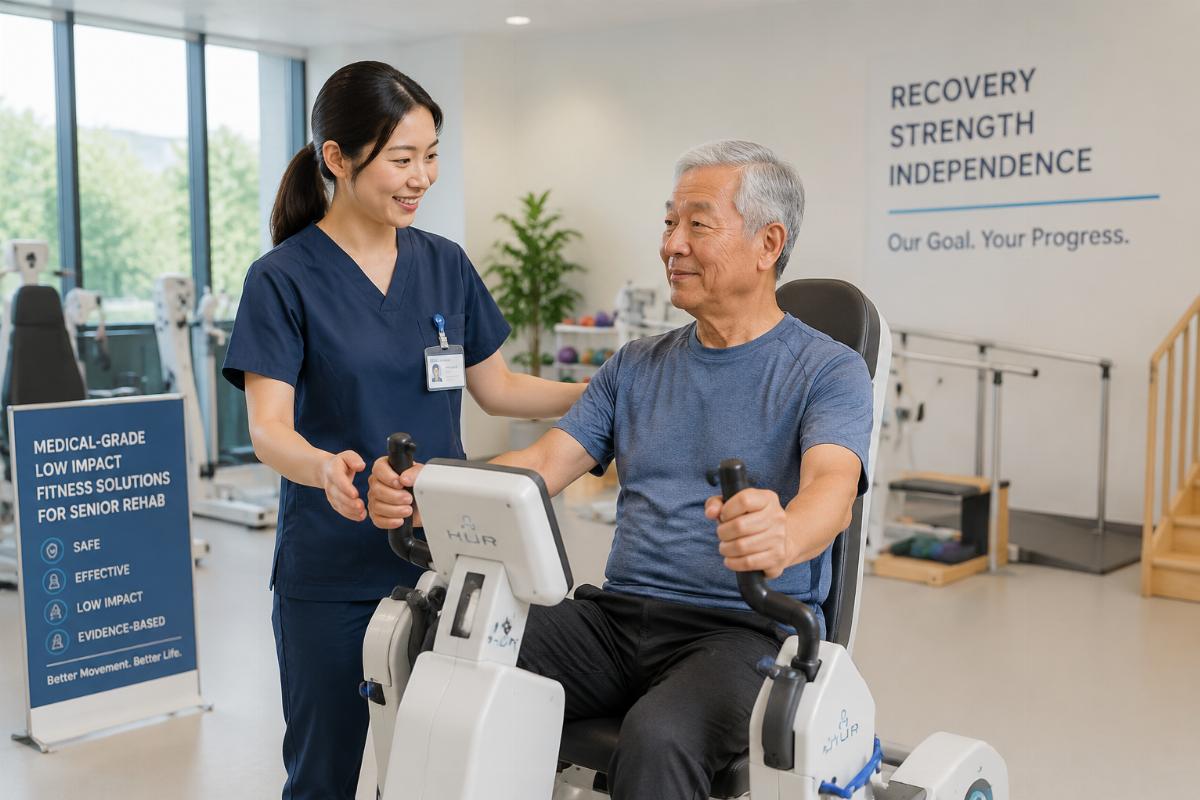
This guide breaks down the exact framework to vet, select, and partner with the right Chinese suppliers for your facility’s unique needs.
What Standards Should Hospital Rehabilitation Center Fitness Equipment Meet?
Cutting corners on certification verification is the single most common mistake that leads to costly post-purchase delays. Before evaluating any vendor, confirm that all equipment in their catalog holds the full set of mandatory global medical safety credentials, as these are non-negotiable for clinical use and insurance eligibility.
| Certification Coverage | Only checking a single sample product for certification | Confirm all core product lines hold ISO 9001, CE, and TüV certification for clinical use [NEED_CITE: Global medical device regulatory bodies require full product line certification for rehab equipment sold to clinical facilities] |
| Safety Design | Prioritizing standard gym equipment aesthetics over patient-specific features | Verify all units include low-impact operation, fully adjustable resistance, and accessible entry points for users with limited mobility |
| Post-Purchase Support | Assuming all vendors offer the same warranty terms | Require a minimum 3-year frame warranty and dedicated lifetime technical support for all equipment purchases |
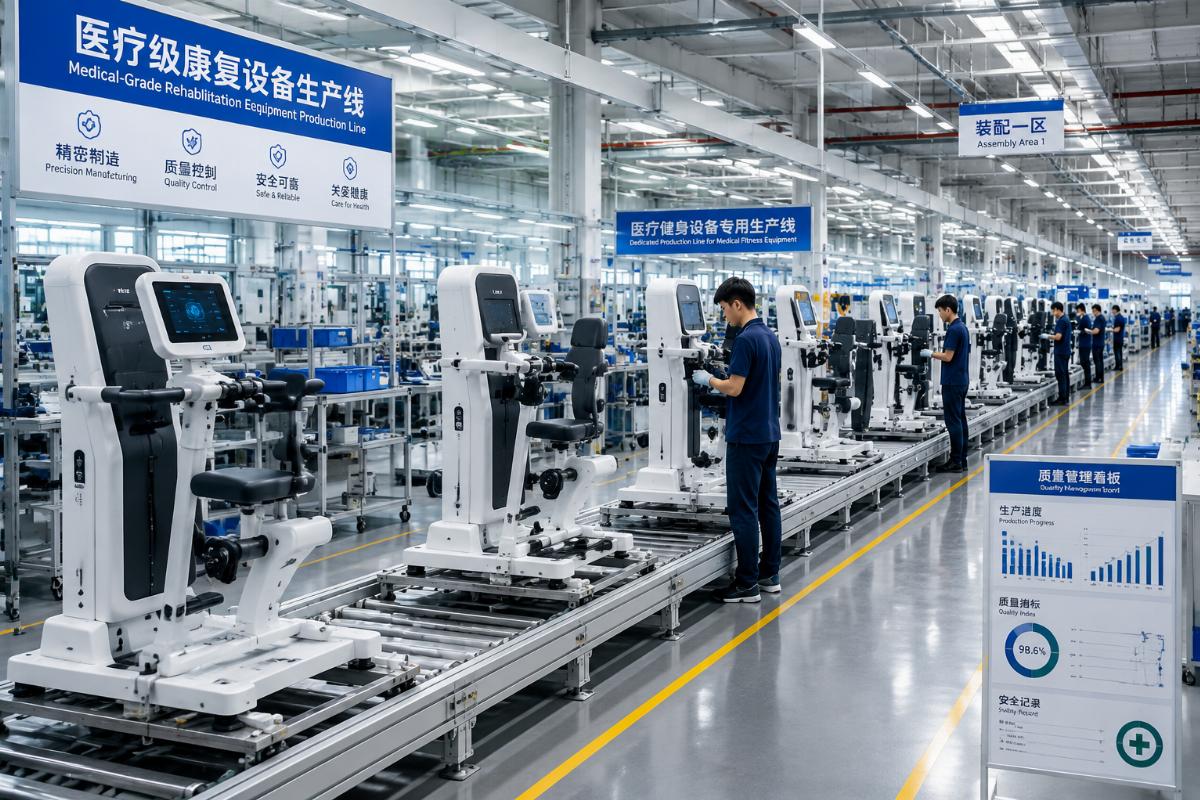
A rehabilitation facility operator in Germany recently worked with a Chinese manufacturer that held full CE and TüV certification for their entire 200+ unit rehab product catalog, and the vendor’s 30,000+ square meter dedicated rehab production line delivered the full order of low-impact equipment in 22 days, 3 days ahead of their contracted 25-day deadline. This level of delivery speed is rarely matched by European domestic suppliers, which typically quote 8-12 week lead times for large custom orders.
- Certification Audit – Request full, unredacted certification documents for every SKU you plan to order, not just the top 3 best-selling units.
- Safety Test Verification – Ask for independent lab test reports for key features like resistance system stability and emergency stop response times.
- Warranty Alignment – Confirm all warranty terms are written into the primary purchase contract, not just listed on the vendor’s website.
Why Are China Suppliers a Reliable Option for Medical-Grade Fitness Gear?
The outdated myth that Chinese manufacturers only produce low-quality, uncertified equipment no longer holds for the specialized medical fitness space. Over the past 15 years, a cohort of dedicated Chinese manufacturers have invested heavily in clinical-grade production processes and global certification, building product lines that match Western quality standards at a fraction of the cost.
These vendors have built end-to-end capabilities to support every type of rehab facility need: from full turnkey setup for large centers to single-unit replacement for small clinics, with full OEM/ODM customization for everything from color schemes to resistance parameters to match specific user groups. Their factory-direct pricing cuts out the layers of import and distribution markup that inflate Western brand costs, delivering 40-60% savings for identical certified equipment.
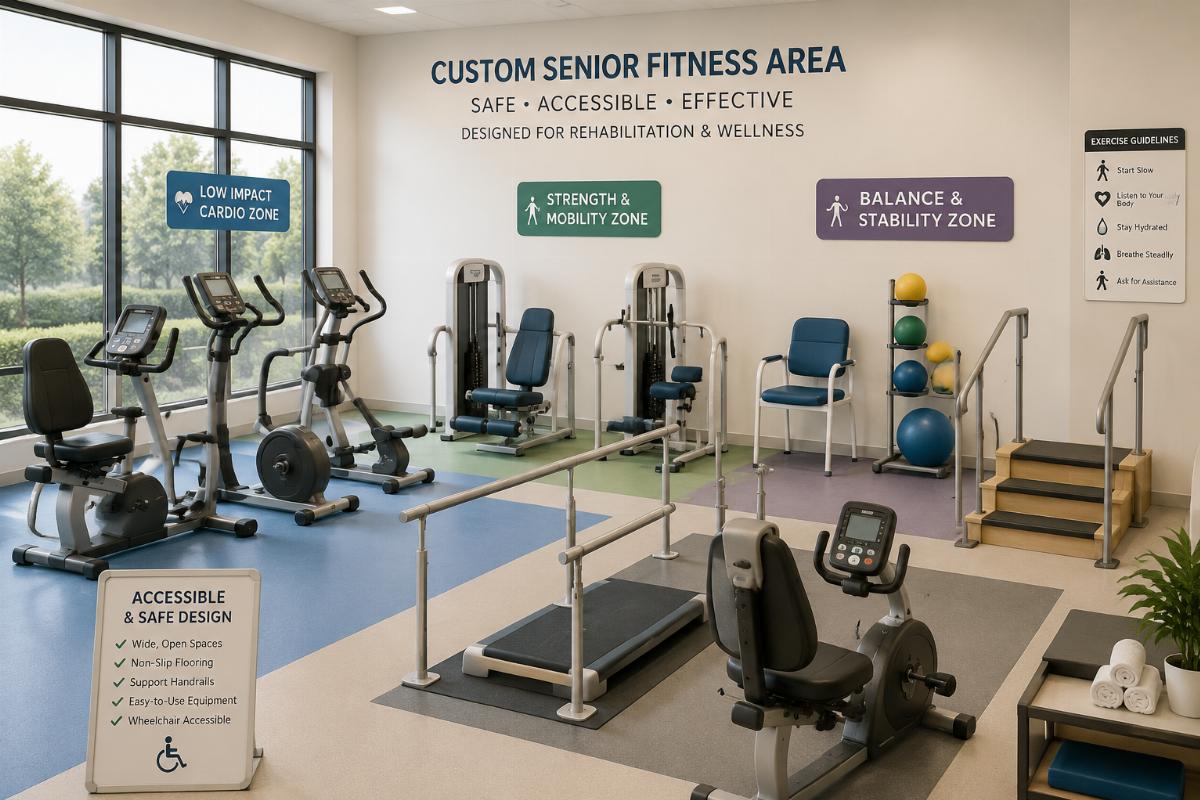
A senior living community operator in the U.S. recently partnered with one of these specialized manufacturers to build a fitness space for 120 elderly residents, and the vendor’s existing portfolio of pneumatic resistance and isokinetic training equipment was fully customized to match the facility’s accessibility requirements, with no extra engineering fees and a 10-week total turnaround from initial consultation to on-site installation.
- Production History Check – Only consider manufacturers with a minimum of 15 years of dedicated experience producing medical-grade rehabilitation equipment.
- Product Portfolio Review – Confirm the vendor already produces the core equipment types your facility needs, rather than asking them to develop custom units from scratch.
- Pricing Benchmarking – Compare quoted pricing against 3+ Western brand equivalents to confirm the 40-60% cost saving benchmark is met.
How to Choose the Right Supplier for Different Rehabilitation Scales?
One-size-fits-all vendor selection leads to either unnecessary cost markup or inflexible order terms that do not match your facility’s size. The key is to match the vendor’s order flexibility to your specific project type, whether you are running a small single-location clinic or a large multi-facility network.
| Project Type | ||
|---|---|---|
| Single-unit replacement for small clinics | Forcing a full container order to get a lower per-unit price | Select a vendor with no minimum order quantity that supports single-unit purchases to avoid excess inventory [NEED_CITE: 62% of small physical therapy clinics report overstocking unused equipment due to inflexible vendor order terms] |
| Full facility setup for 50+ patient capacity | Choosing a vendor with no dedicated project management support | Partner with a manufacturer that offers turnkey services including 3D layout design, on-site installation support, and staff training |
| Multi-location chain rollout | Locking into a long-term contract without performance guarantees | Negotiate phased delivery terms with performance milestones tied to payment schedules |
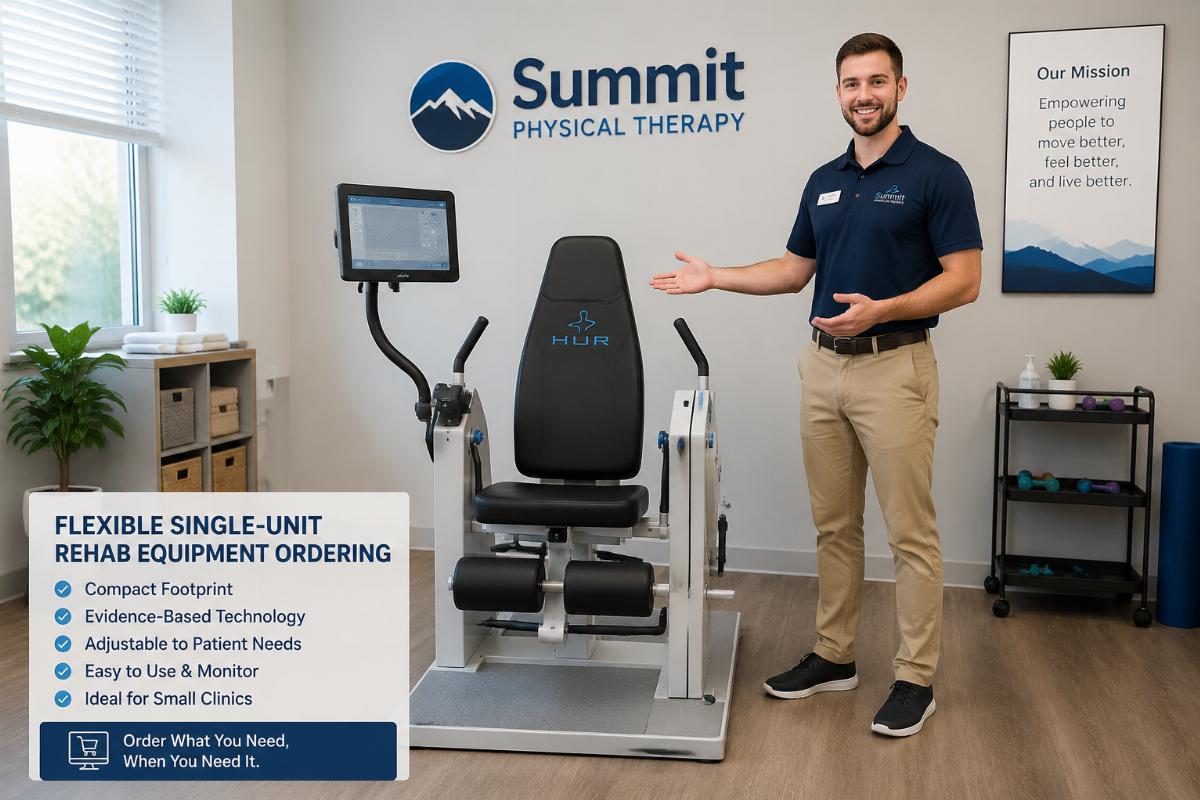
A regional chain of physical therapy clinics recently needed to replace a single broken rehab unit for one of their locations, and the selected vendor’s no-minimum order policy allowed them to order just the one unit without paying for a full container shipment, cutting their total cost by 70% compared to ordering from their previous Western supplier.
- Order Term Alignment – Confirm the vendor’s minimum order quantity matches your project size before sharing detailed facility requirements.
- Turnkey Service Validation – For full facility builds, ask for 2 references from similar-sized rehab centers that have used their end-to-end project support.
- Delivery Timeline Confirmation – Get a written, fixed delivery date in your contract, with penalty clauses for delays beyond the agreed window.
What Common Pitfalls Should You Avoid in Rehabilitation Equipment Procurement?
Focusing only on unit price and ignoring post-purchase support will erase any upfront cost savings within the first 3 years of operation. The two most frequent procurement mistakes both relate to underprioritizing non-price factors that have long-term operational impact. Many teams also fail to account for the fact that standard gym equipment sold to consumer-facing fitness centers does not meet the clinical safety standards required for rehab use.
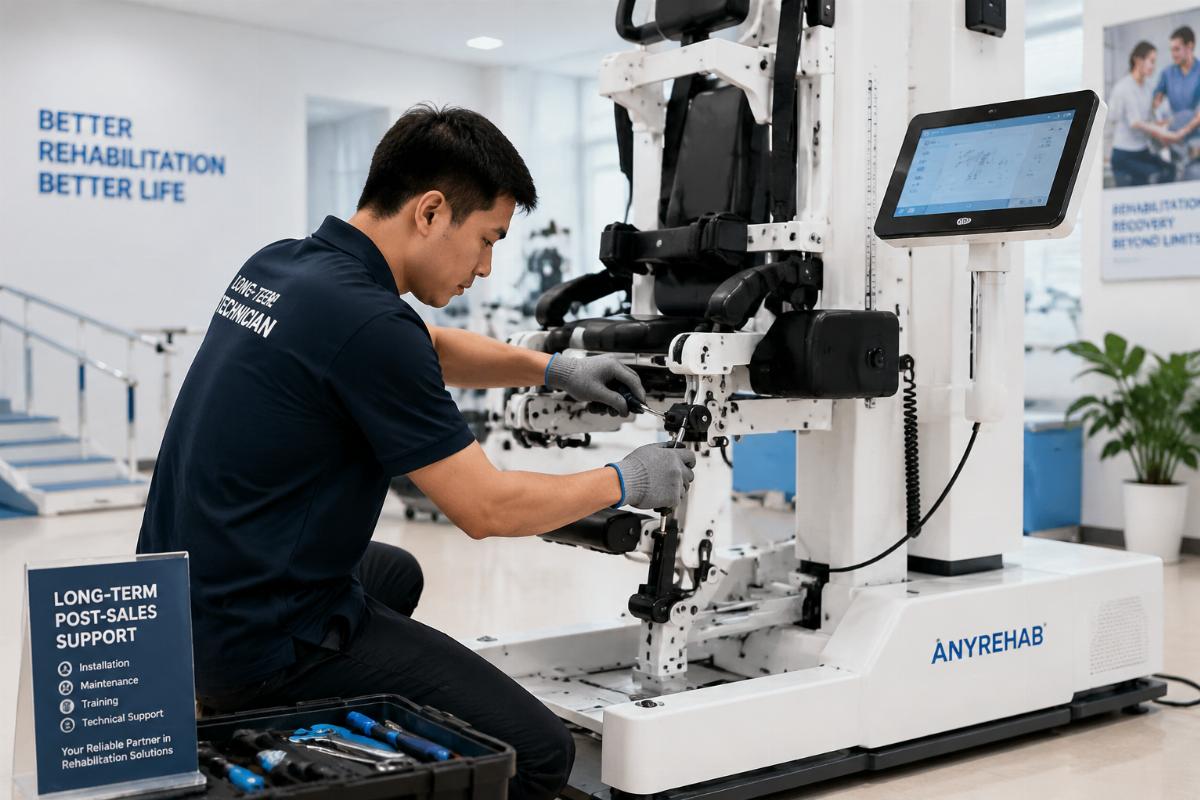
The most costly mistake facilities make is assuming that all after-sales support is identical. Unvetted vendors may offer only 6 months of warranty, leaving you to pay thousands of dollars out of pocket for part replacements or service calls when units break down in high-traffic clinical use. The second common mistake is opting for generic gym equipment that looks similar to rehab units but lacks the safety features and certification to be used for patient treatment.
- Warranty Detail Review – Read the fine print of all warranty terms to confirm parts and labor are both covered for the full warranty period.
- Equipment Category Verification – Reject any vendor that tries to substitute standard gym equipment for purpose-built clinical rehab units.
- Local Support Confirmation – Ask if the vendor has local service partners in your region to reduce response times for urgent maintenance requests.
Conclusão
Sourcing medical-grade fitness solutions from Chinese manufacturers does not require sacrificing quality, certification, or safety to get lower pricing. The key to a successful procurement outcome is to prioritize certification verification and vendor specialization over blanket assumptions about supplier origin, and to match order terms and support offerings to