01 / Scenario
STUDIO
P
High-End Pilates Studios
Premium aesthetics meet quiet operation for boutique studio environments.

ISO
9001
CE
Certified
OEM
Available
10YR
Warranty
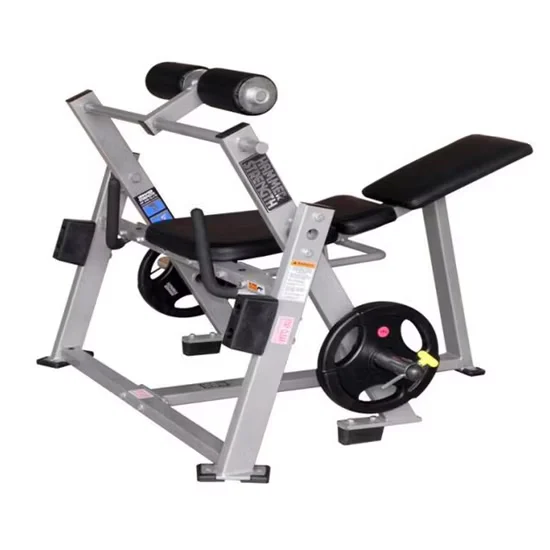
Commercial Abdominal Work Station, 3×3 Inch Frame Tube, 98 kg Net Weight — engineered with 11-gauge steel and robotic MIG continuous welding to eliminate spot-weld fatigue under repeated torso flexion loads. Sealed bearing pivots ensure smooth motion without play across high-traffic commercial environments. Every unit undergoes full load testing before shipment, backed by a 10-year frame warranty and factory-direct floor planning support.
// Spec Highlights
• Direct from Manufacturer · No Middlemen · Worldwide Shipping
01
// Material
Imported Solid Wood
Premium hardwood frames sourced for density and visual warmth.
02
// Hardware
Medical-Grade Silent
Whisper-quiet pulleys and springs for clinical environments.
03
// Customization
Appearance OEM
Color, upholstery, and branding tailored to your studio.
04
// Service
Layout Design
Free venue planning for studios and rehab institutions.
Every component is selected for longevity, performance, and aesthetic harmony - from imported hardwood frames to silent medical-grade accessories.
// Features
Mill-Traceable Steel — Every 11-gauge tube on this commercial abdominal work station traces back to its coil certificate, not just a grade stamp.
| Parameter | Value |
|---|---|
| Product Type | Abdominal Trainer |
| Frame Tube Size | 3×3 inch |
| Loading Type | Manual / Plate Loaded |
| Product Dimensions | 2165×1020×1815mm |
| Net Weight | 98 kg |
| Frame Steel Gauge | 11-gauge |
| Steel Grade | Q235 / Q345 industrial steel, mill-certified |
| Welding Type | Robotic MIG, continuous weld lines |
| Powder Coating | 200μm scratch-resistant, sandblast pre-treated |
| Bearing Type | Sealed industrial bearings |
| Upholstery | Commercial-grade vinyl, standard or high-density options available |
| Color Options | Optional frame and upholstery colors |
| Certification | ISO 9001, CE |
| OEM | Available with private label |
| Facility Type | Typical Use |
|---|---|
| Commercial gym strength floor | Dedicated core training station in free weight and plate-loaded zones |
| Crossfit box functional zone | Supplemental abdominal work between WOD stations |
| Hotel fitness center | Low-maintenance core equipment for 24/7 unsupervised access |
| University strength and conditioning room | High-frequency abdominal training for athletic programs |
| Rehabilitation and performance center | Controlled torso flexion under manual resistance |
Most abdominal stations fail at the weld, not the steel — and the failure is almost always a spot weld that was sold as "commercial grade."
When a 90kg user drops into a full-extension crunch and reverses direction, the pivot axis absorbs a shock load that repeats thousands of times per day in a busy gym. Spot welds create localized heat-affected zones where micro-cracks propagate under cyclic loading. Within months, the joint develops play, the pivot feels loose, and maintenance calls multiply. A commercial abdominal work station built with continuous robotic MIG welds distributes that stress along the full seam, eliminating the cold joints and fatigue points that plague lower-tier frames [NEED_CITE: weld classification and fatigue performance in structural steel].
This commercial abdominal work station targets the sagittal plane — controlled torso flexion against plate-loaded resistance, engaging the rectus abdominis and obliques through a full range of motion. In a strength floor layout, it pairs naturally with a 45-degree back extension or rotary torso machine to balance anterior and posterior core work. The footprint suits medium-to-high-density commercial floors where dedicated core stations justify their square meters through constant rotation. The plate-loaded design means resistance scales from a first-time gym member to an elite athlete without swapping equipment.
A plate-loaded abdominal trainer experiences an asymmetric load path: the resistance arm extends from the pivot while the user’s torso mass shifts through an arc. Each rep creates a bending moment at the main frame junction and a torsional load on the pivot shaft. In a facility with hundreds of daily users, those cycles accumulate fast. The sealed bearings at the pivot must hold alignment despite sweat ingress and chalk dust. The powder coating at the seat-mounting bracket endures constant friction from upholstery contact. The foot-lockdown bar takes repeated impact as users brace and release [NEED_CITE: EN 957 structural requirements for stationary training equipment].
The 3×3 inch frame tube paired with 11-gauge wall thickness sets a deformation threshold that thin-wall alternatives cannot reach under the same bending moment. Robotic MIG continuous welding means every seam along the pivot bracket and base foot receives the same penetration depth — no operator fatigue, no missed spots. The 200μm powder coating, applied after sandblast pre-treatment, bonds into the steel profile rather than sitting on top of mill scale, which is why contact points resist chipping through years of plate changes and foot strikes. Sealed pivot bearings keep the rotation smooth even when sweat and cleaning chemicals reach the joint interior, eliminating the half-year maintenance cycle that open bushings demand.
Switching from 11-gauge to 12 or 13-gauge tubing may save margin on a purchase order, but the thin-wall tube deflects under loaded crunches and transfers that flex into the weld zone. Spot-welded pivot brackets pass initial visual inspection yet develop visible cracks once cyclic loading exposes the cold joint boundaries. Non-sealed bearings in the pivot axis require quarterly adjustment as play develops, turning a zero-maintenance station into a recurring service ticket. Thin powder coating chips at the foot brace and plate-loading horn within months, exposing bare steel to humidity and sweat-driven corrosion. Low-density upholstery compresses flat, leaving a hard surface that users avoid and operators must replace [NEED_CITE: fatigue failure modes in light-commercial fitness equipment].
The 11-gauge frame steel arrives with a mill certificate traceable to the coil origin, so any structural question can be answered with documentation rather than a supplier promise. Robotic MIG welding produces continuous seams on the pivot bracket and base assembly — no spot welds, no operator-dependent variation. Every unit undergoes a load test before crating, not a sample pulled from the production run. The 200μm industrial powder coating covers the full frame including interior tube surfaces reached during sandblast. The commercial abdominal work station ships with floor planning CAD support, so the 2165×1020mm footprint translates into verified safe clearances between neighboring stations in a strength zone layout.
Submit your strength zone dimensions and current equipment list to receive a 2D or 3D layout showing safe clearance envelopes around this abdominal trainer. Specify your daily user volume so the structural grade matches actual traffic. Confirm the body-size range of your members to validate the pivot geometry and lockdown positions. Note any color, logo, or upholstery density preferences for OEM alignment.
Q: How can a buyer verify the frame steel is genuinely 11-gauge and not a thinner gauge relabeled as commercial?
A: Request a mill certificate that traces the steel coil to its production batch, including wall thickness measurements. Visually inspect cut ends of the frame tube — 11-gauge presents a visibly thicker cross-section than 12 or 13-gauge. Ask the manufacturer to document the gauge on the purchase specification sheet rather than relying on a generic "commercial grade" label that carries no verifiable standard.
Q: What makes robotic MIG continuous welding more reliable than manual spot welding on an abdominal trainer?
A: Robotic MIG delivers a uniform weld bead along the entire seam with consistent penetration depth and no cold joints. Spot welding creates isolated fusion points separated by unwelded gaps where fatigue cracks initiate under repeated crunch loads. The continuous weld distributes stress across the full joint length, which matters on the pivot bracket where every rep generates a bending moment.
Q: How often should the pivot bearings on a plate-loaded abdominal station be serviced in a high-traffic gym?
A: Sealed industrial bearings on this commercial abdominal work station are designed to run maintenance-free for extended periods because the seal blocks sweat, chalk dust, and cleaning moisture. Open bushings or unsealed bearings in comparable machines often need quarterly lubrication and eventual replacement as play develops. Operators should still inspect rotation smoothness during routine floor walks to catch rare seal damage early.
Q: What floor space and clearance does this abdominal work station require for safe operation?
A: The unit occupies a 2165×1020mm footprint and needs additional clearance on the loading side for plate changes and on the user side for entry and exit. A 2D or 3D CAD layout accounts for these zones plus the swing arc of the resistance arm. Proper spacing prevents member collision in busy strength floors and meets EN 957 safety distance requirements.
Premium aesthetics meet quiet operation for boutique studio environments.
Medical-grade silence and precision for sports & postpartum recovery.
Furniture-grade craftsmanship for premium residential installations.
Compact premium setups for one-on-one and small-group training.
Aesthetic Pilates integration for hybrid wellness studio programming.
Multi-unit deployment with instructor-grade reliability for certification programs.
Tell us about your project. Our team will respond within 24 hours with pricing, customization options, and shipping details.
// Sales Director
William
+86 132 2531 1800
// Export Manager
Bella
+86 198 5412 8032
william@bickfit.com