
01 / Scenario
STUDIO
P
High-End Pilates Studios
Premium aesthetics meet quiet operation for boutique studio environments.
ISO
9001
CE
Certified
OEM
Available
10YR
Warranty
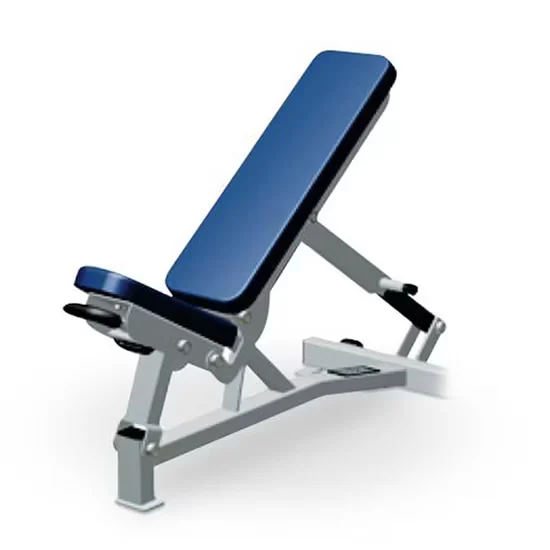
Commercial Adjustable Bench, 1215×680×1070mm, 40kg Net Weight — engineered with a steel frame and multi-position adjustment mechanism designed to endure repeated loading cycles in high-traffic environments. The 40kg structure and reinforced adjustment points minimize flex during heavy dumbbell and barbell pressing movements. Every unit undergoes individual load testing before shipment, backed by a 10-year frame warranty and floor planning support for high-density layouts.
// Spec Highlights
• Direct from Manufacturer · No Middlemen · Worldwide Shipping
01
// Material
Imported Solid Wood
Premium hardwood frames sourced for density and visual warmth.
02
// Hardware
Medical-Grade Silent
Whisper-quiet pulleys and springs for clinical environments.
03
// Customization
Appearance OEM
Color, upholstery, and branding tailored to your studio.
04
// Service
Layout Design
Free venue planning for studios and rehab institutions.
Every component is selected for longevity, performance, and aesthetic harmony - from imported hardwood frames to silent medical-grade accessories.
// Features
Commercial Adjustable Bench for Gym Equipment
11-Gauge Traceable Steel — Frame tubing sourced from certified Q235/Q345 coils, mill documentation traceable to origin for every commercial adjustable bench produced.
| Parameter | Value |
|---|---|
| Product Type | Adjustable Bench |
| Frame Material | Steel, Q235 / Q345 industrial grade |
| Frame Steel Gauge | 11-gauge |
| Welding Type | Robotic MIG, continuous weld lines |
| Adjustment Positions | Multi-position adjustable, pin-lock mechanism |
| Product Dimensions | 1215 × 680 × 1070 mm |
| Net Weight | 40 kg |
| Powder Coating | 200μm scratch-resistant industrial finish |
| Upholstery | High-density commercial vinyl, replaceable pads |
| Certification | ISO 9001, CE, RoHS |
| Warranty | 10-year frame warranty |
| Facility Type | Typical Use |
|---|---|
| Commercial gym free weight zone | Dumbbell and barbell pressing movements across flat, incline, and decline angles |
| Hotel and resort fitness center | Multi-user adjustable bench stations accommodating varying body sizes and training levels |
| University and institutional athletic department | Strength and conditioning programs requiring high-frequency position adjustments |
| Personal training studio | One-on-one coaching environments with rapid bench reconfiguration between clients |
Thin-gauge frames deflect visibly when a heavy lifter lays back — and that flex accelerates fatigue cracking at every adjustment joint.
The market is flooded with benches labeled "commercial grade" that never disclose actual steel wall thickness. Under heavy dumbbell work, these undersized tubes twist slightly with each rep, concentrating stress at the pin-lock holes and welded joints. Spot-welded adjustment brackets are particularly vulnerable: the weld passes visual inspection when new, but repeated loading cycles drive micro-cracks through the heat-affected zone until the bracket shifts mid-set. A bench that wobbles during an incline press is not just uncomfortable — it forces the lifter to stabilize against lateral movement, altering the intended pressing path [NEED_CITE: EN 957 structural requirements for stationary training equipment].
The commercial adjustable bench anchors the dumbbell pressing station, covering flat through near-vertical incline angles for pectoral, deltoid, and triceps work. It pairs directly with dumbbell racks and flat utility benches to create a complete pressing zone without requiring users to move across the floor between sets. In high-density layouts, this bench serves lifters ranging from first-time gym members to advanced athletes pressing heavy dumbbells, with multi-position adjustment accommodating torso lengths across the full adult range. The 1215 × 680 mm footprint fits standard free weight bay spacing while maintaining safe clearance for dumbbell arcs during incline movements.
Every position change on an adjustable bench subjects the pin-lock mechanism to shear stress, and under loaded conditions — a 120kg lifter plus dumbbells — that junction carries both static and eccentric loads simultaneously. The adjustment ladder or pin slots bear concentrated force at their contact edges, and repeated cycling through positions wears these interfaces over months of daily commercial use. The rear support leg welds experience cyclic bending stress each time a user sits and reclines, while the front foot tube resists torsional twist during uneven dumbbell presses. Upholstery endures concentrated compression at the lumbar and scapular contact zones, and the vinyl surface faces abrasion from clothing, sweat exposure, and cleaning chemicals applied multiple times daily [NEED_CITE: fatigue performance classification in structural steel welding].
The 11-gauge steel tubing determines how much the frame deflects when a loaded lifter shifts position on the pad — thinner walls would allow visible flex that transfers wobble to the user during heavy sets. Robotic MIG welding produces continuous weld beads along every tube junction, eliminating the intermittent fusion gaps inherent to spot welding that become crack initiation points under cyclic loading. The pin-lock adjustment mechanism engages through precision-cut slots in the frame, and the fit tolerance between pin and slot governs whether the backrest develops play after thousands of position changes. The 200μm powder coating provides a barrier against sweat corrosion at high-contact zones — particularly where hands grip the frame during adjustments and where dumbbells occasionally contact the uprights during heavy rack-and-press sequences.
A bench built with thinner tubing saves material cost upfront but enters a predictable failure cycle: the frame begins to flex under heavy users, the adjustment pin holes elongate from repeated stress, and the backrest develops side-to-side play that no maintenance adjustment can correct. Spot-welded brackets eventually crack at the weld toe, sometimes without visible warning before the backrest drops unexpectedly during a set. Low-density upholstery foam compresses permanently within weeks of heavy commercial traffic, creating an uneven pad surface that users avoid. Non-replaceable pads mean the entire bench must be pulled from the floor when the vinyl splits or the foam collapses, turning a consumable wear item into a full unit replacement.
The 11-gauge steel frame with mill-certified sourcing ensures that every commercial adjustable bench leaving the 15,000㎡ vertically integrated facility carries traceable material provenance — not an unverified "commercial grade" claim. Robotic MIG continuous welding is applied to every structural joint on this bench, eliminating the spot-weld weak points that fail under repeated heavy loading. Each unit undergoes individual load testing before shipment rather than sample-based batch inspection, verifying structural integrity under conditions that simulate actual gym floor use. The 200μm industrial powder coating resists chipping at contact points where dumbbells and weight plates meet the frame. A 10-year frame warranty backs the structural specification, and 2D-3D CAD floor planning support ensures this bench integrates into free weight zones with correct safety clearances between stations.
Provide your free weight zone dimensions and current equipment list to receive a 2D-3D CAD layout showing optimal commercial adjustable bench placement with verified safety clearances. Specify expected daily user volume so the structural grade can be confirmed against your traffic profile. Confirm the torso height range of your primary user population to validate that the multi-position adjustment covers the necessary incline angles. State any customization requirements including frame powder coat color, upholstery vinyl grade, and logo placement on the pad surface.
Q: How do I verify a bench is truly commercial-grade rather than light-commercial?
A: Request the mill certificate for the frame steel tubing — it should specify gauge, wall thickness, and steel grade traceable to the coil. Light-commercial benches typically use thinner gauge steel without verifiable documentation. Confirm that the adjustment mechanism uses machined pin-lock slots cut into the frame tube rather than welded-on brackets with drilled holes, which elongate and develop play under daily repositioning cycles.
Q: What frame specification supports heavy dumbbell pressing without visible flex?
A: An 11-gauge steel frame with continuous MIG welding at all structural junctions provides the rigidity needed for heavy dumbbell work. The tube cross-section dimensions determine the deflection threshold — undersized tubes will twist under uneven loads during single-arm or alternating presses. Verify that the welding process produces continuous beads rather than spot welds, which concentrate stress and crack under repeated eccentric loading from users shifting position on the pad.
Q: How does the adjustment mechanism affect long-term bench stability?
A: A pin-lock mechanism that engages through precision-cut slots in the main frame tube maintains tight positional fit over thousands of adjustment cycles. Mechanisms that rely on welded ladder brackets or bolt-through connections develop lateral play as the bolt holes and bracket welds fatigue from daily repositioning. The engagement depth of the pin into the frame slot determines how much load the mechanism can transfer before the backrest shifts under a loaded user.
Q: What floor spacing is needed around adjustable benches in a commercial free weight zone?
A: Plan for the 1215 × 680 mm bench footprint plus minimum clearance on each side to accommodate dumbbell arcs during incline and flat pressing movements. Adjacent benches should be spaced so that users on neighboring stations cannot contact each other’s dumbbells at full arm extension. A CAD floor plan verifies that bench placement integrates with dumbbell rack positions and traffic aisles without creating congested zones during peak hours.
Q: Are replacement upholstery pads and adjustment components available for this bench?
A: The upholstery pads are designed as replaceable components — when high-density foam compresses or vinyl surfaces split under commercial use, the pad swaps out without requiring full bench replacement. Adjustment mechanism pins and associated hardware are stocked as service parts. Confirm replacement availability at the time of purchase and request the parts list to ensure long-term serviceability matches your facility’s expected equipment lifecycle.
Premium aesthetics meet quiet operation for boutique studio environments.
Medical-grade silence and precision for sports & postpartum recovery.
Furniture-grade craftsmanship for premium residential installations.
Compact premium setups for one-on-one and small-group training.
Aesthetic Pilates integration for hybrid wellness studio programming.
Multi-unit deployment with instructor-grade reliability for certification programs.
Tell us about your project. Our team will respond within 24 hours with pricing, customization options, and shipping details.
// Sales Director
William
+86 132 2531 1800
// Export Manager
Bella
+86 198 5412 8032
william@bickfit.com


![Commercial Plate Loaded Pendulum Squat Machine SRH-72 for Gym [WARN] draft identifier mismatch](https://bickgym.com/wp-content/uploads/2026/08/commercial-plate-loaded-pendulum-squat-machine-srh-72-for-gym-warn-draft-identifier-mismatch-554a24.webp)