01 / Scenario
STUDIO
P
High-End Pilates Studios
Premium aesthetics meet quiet operation for boutique studio environments.
ISO
9001
CE
Certified
OEM
Available
10YR
Warranty
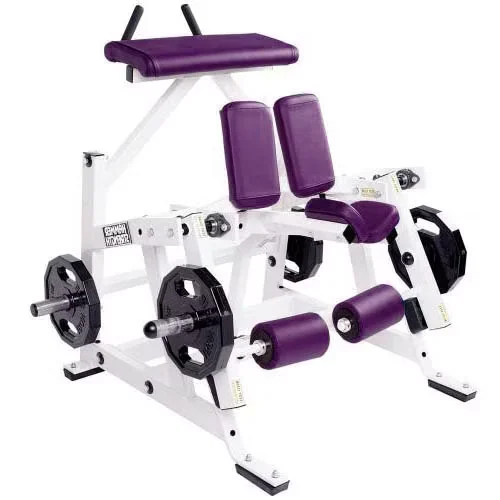
Plate Loaded ISO-Lateral Kneeling Leg Curl Machine, 1270×1000×1290mm, 145kg Net Weight — built on 3×3 inch steel frame with robotic MIG continuous welding, eliminating spot-weld weak points under cyclic loading. Independent ISO-lateral arms ensure converging movement patterns for bilateral hamstring development without joint stress. Every unit undergoes individual load testing before shipment to verify structural integrity for high-traffic commercial gym environments.
// Spec Highlights
• Direct from Manufacturer · No Middlemen · Worldwide Shipping
01
// Material
Imported Solid Wood
Premium hardwood frames sourced for density and visual warmth.
02
// Hardware
Medical-Grade Silent
Whisper-quiet pulleys and springs for clinical environments.
03
// Customization
Appearance OEM
Color, upholstery, and branding tailored to your studio.
04
// Service
Layout Design
Free venue planning for studios and rehab institutions.
Every component is selected for longevity, performance, and aesthetic harmony - from imported hardwood frames to silent medical-grade accessories.
// Features
Mill-Traceable Steel — Every HD-700 series frame begins with certified Q235/Q345 coil stock, not unverified commercial-grade tubing.
| Parameter | Value |
|---|---|
| Product Type | Plate Loaded Leg Curl Machine |
| Loading Type | Plate loaded (ISO-lateral) |
| Exercise Part | Leg |
| Frame Material | Steel, 11-gauge |
| Frame Tube Size | 3×3 inch |
| Steel Grade | Q235 / Q345 |
| Welding Type | Robotic MIG, continuous weld lines |
| Powder Coating | 200μm scratch-resistant industrial finish |
| Product Dimensions | 1270×1000×1290mm |
| Net Weight | 145kg |
| Certification | ISO 9001, CE |
| Warranty | 10-year frame |
| Facility Type | Typical Use |
|---|---|
| Commercial gym strength floor | High-traffic hamstring isolation station complementing squat racks and leg presses |
| University strength and conditioning room | Athlete posterior chain development under supervised programming |
| Hotel and resort fitness center | Durable self-guided hamstring training for transient guests |
| Rehabilitation and performance center | Controlled unilateral hamstring loading for return-to-play protocols |
Continuous robotic MIG welding eliminates the most common failure point in plate loaded kneeling leg curl machines.
Most facilities never see the inside of a frame joint. Years ago, a gym chain asked us to switch from continuous welds to spot welds on a kneeling leg curl to reduce cost. Within months, the joints cracked under heavy eccentric loading, and the entire batch came back. That recall shaped how we build every unit leaving our floor today. When a commercial plate loaded kneeling leg curl machine sees repeated off-axis forces from users loading and unloading plates, the weld — not the steel — is where fatigue concentrates first [NEED_CITE: weld classification and fatigue performance in structural steel]. Spot welds pass a visual check but leave cold joints that propagate micro-cracks with each training session.
The ISO-lateral kneeling leg curl targets the hamstrings through a hip-flexed, knee-flexion movement path, filling the posterior chain gap that leg presses and squat racks leave open. In a strength floor configuration, it pairs naturally with a seated leg extension and a hip thrust station to cover the full lower-body sagittal plane. The unit suits facilities with moderate to high daily traffic where independent arm operation matters for members with bilateral strength imbalances. Its footprint accommodates users across a wide range of torso and femur lengths. The commercial plate loaded kneeling leg curl machine anchors the hamstring station without demanding excessive floor depth.
Hamstring curls generate a distinct loading profile: the eccentric phase produces peak torque at the knee pivot, transferring bending moments through the frame’s main upright and the swing arm bearings. In a busy gym, this unit can see hundreds of repetitions daily, each cycle stressing the pivot bearing and the weld junction where the swing arm meets the frame. Sealed industrial bearings prevent sweat and dust ingress that causes play in unsealed alternatives over time. The powder coating at the plate-loading horns and knee pad contact zone faces repeated abrasion, demanding a finish thick enough to resist chipping down to bare steel [NEED_CITE: EN 957 structural requirements for stationary training equipment].
The 11-gauge steel and 3×3 inch tube section work together: gauge determines wall thickness, while tube dimensions set the moment of inertia that resists bending. A larger cross-section with adequate wall thickness keeps the main upright from flexing when a user loads heavy plates on the horn and drives through maximal eccentric reps. Robotic MIG welding produces continuous, uniform penetration along the joint, removing the inconsistency of manual spot welds. The 200μm powder coating, applied after sandblasting, bonds to a properly profiled surface, which is what prevents peeling at high-contact zones over years of commercial use.
Reducing frame gauge to save material cost introduces measurable flex under heavy loading, which shifts the movement path away from the intended arc and accelerates bearing wear. Spot-welded joints on plate loaded equipment carry liability risk when a fatigue crack progresses undetected between maintenance rounds. Non-sealed bearings develop radial play, creating a knocking sensation that members report as equipment failure. Thin powder coatings chip at plate contact points, exposing untreated steel to moisture and sweat that initiates corrosion within weeks in humid gym environments [NEED_CITE: powder coating adhesion and corrosion resistance in fitness environments].
The 11-gauge frame with mill-certified Q235/Q345 steel ensures the tube specification is verifiable, not a vague commercial-grade claim. Robotic MIG continuous welding on every joint removes the inconsistency that manual welding introduces across production batches. Each unit undergoes load testing before crating, catching structural issues at the factory rather than on the gym floor. The 200μm industrial powder coating withstands daily plate handling and cleaning chemicals. A 10-year frame warranty covers the structural members through the equipment’s primary service life. Floor planning support provides safe clearance dimensions around this unit’s 1270×1000mm footprint so loading zones remain unobstructed.
Share your strength zone floor area and current equipment list to receive a 2D-3D layout showing this unit’s placement with proper loading clearances. Specify average daily member volume so we confirm the structural grade matches your traffic profile. Indicate user population demographics to verify the adjustment range covers your membership. Note any color, logo, or upholstery customization requirements for private label builds.
Q: How do I verify the steel specification of a plate loaded leg curl machine?
A: Request a mill certificate from the manufacturer that documents the steel grade, gauge, and coil origin. Vague claims like commercial grade without traceable documentation make it impossible to confirm the frame can handle repeated heavy loading. Our units ship with Q235/Q345 mill certification tied to the specific production batch.
Q: Why does ISO-lateral movement matter for a kneeling leg curl?
A: Independent arm operation allows each leg to work without the stronger side compensating for the weaker one. This matters in both training environments where bilateral imbalances need addressing and in rehabilitation settings where unilateral loading is prescribed. The converging movement path keeps resistance aligned with natural knee flexion mechanics.
Q: What floor spacing does this machine require in a commercial gym?
A: Beyond the unit’s 1270×1000mm footprint, allow clearance behind for plate loading and in front for user entry and exit. A detailed floor plan prevents unsafe gaps between adjacent stations and ensures members can load plates without stepping into the path of nearby equipment in active use.
Q: What maintenance does the pivot bearing require under high-traffic use?
A: Sealed industrial bearings are designed to exclude sweat and dust without periodic lubrication. Inspect quarterly for smooth rotation and any developing play. In facilities running heavy daily volume, an annual bearing inspection with replacement if needed keeps the movement path tight and the user experience consistent.
Premium aesthetics meet quiet operation for boutique studio environments.
Medical-grade silence and precision for sports & postpartum recovery.
Furniture-grade craftsmanship for premium residential installations.
Compact premium setups for one-on-one and small-group training.
Aesthetic Pilates integration for hybrid wellness studio programming.
Multi-unit deployment with instructor-grade reliability for certification programs.
Tell us about your project. Our team will respond within 24 hours with pricing, customization options, and shipping details.
// Sales Director
William
+86 132 2531 1800
// Export Manager
Bella
+86 198 5412 8032
william@bickfit.com