01 / Scenario
STUDIO
P
High-End Pilates Studios
Premium aesthetics meet quiet operation for boutique studio environments.
ISO
9001
CE
Certified
OEM
Available
10YR
Warranty
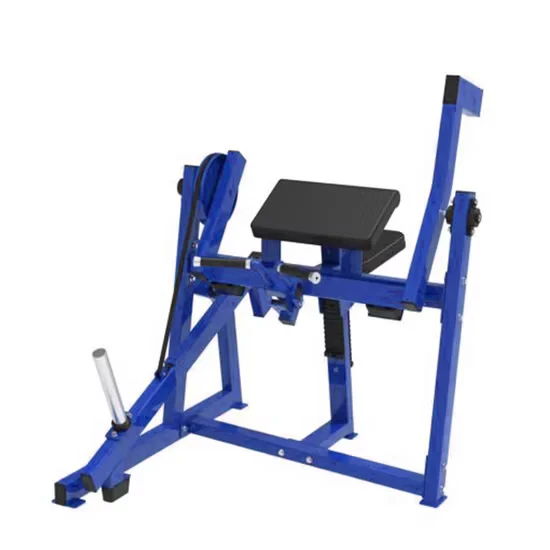
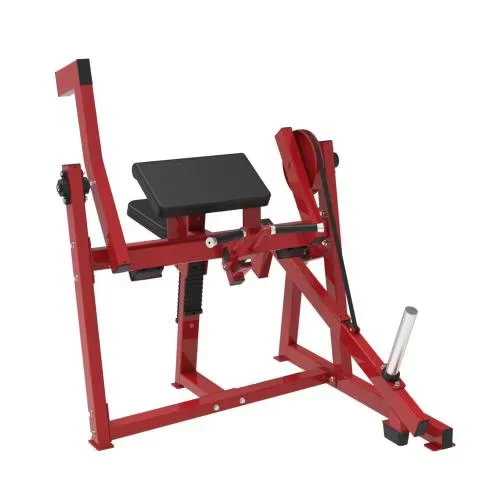
Commercial Seated Biceps Curl Machine, Pin Select Loading, 93kg Net Weight — built with steel frame construction and integrated selectorized resistance for high-volume commercial training environments. Available in custom frame and cushion color options to match facility branding. Every unit undergoes three-stage QC inspection with full load testing before shipment.
// Spec Highlights
• Direct from Manufacturer · No Middlemen · Worldwide Shipping
01
// Material
Imported Solid Wood
Premium hardwood frames sourced for density and visual warmth.
02
// Hardware
Medical-Grade Silent
Whisper-quiet pulleys and springs for clinical environments.
03
// Customization
Appearance OEM
Color, upholstery, and branding tailored to your studio.
04
// Service
Layout Design
Free venue planning for studios and rehab institutions.
Every component is selected for longevity, performance, and aesthetic harmony - from imported hardwood frames to silent medical-grade accessories.
// Features
Continuous Robotic Welding — every H5013 frame joint is laid with a single unbroken MIG pass, eliminating the hidden crack paths that spot-welded bicep stations develop within their first year of daily loading.
| Parameter | Value |
|---|---|
| Product Type | Selectorized Bicep Curl Machine |
| Product Dimensions | 1466×1292×1502mm |
| Net Weight | 93kg |
| Frame Material | Steel |
| Loading Type | Pin Select (Integrated Gym Trainer) |
| Exercise Part | Biceps |
| Assembly State | Unfolded |
| Power Source | Manual |
| Color Options | Main frame and cushion colors available per customer specification |
| OEM/ODM | Acceptable |
| Certification | ISO 9001, CE |
| Facility Type | Typical Use |
|---|---|
| Commercial gym strength floor | Primary isolation station in the upper-body cable and selectorized row |
| Hotel fitness center | Compact footprint bicep work for guests who want controlled resistance without free-weight setup |
| University strength and conditioning room | Supplemental arm work for athletes between compound pressing and pulling sessions |
| Rehabilitation and performance center | Seated, controlled-range bicep loading for late-stage upper-extremity return-to-sport protocols |
A heavier wall section turns the frame from a flex problem into a non-issue.
When a bicep station sits on a busy gym floor, users load it unevenly — one arm stronger, plates dropped, torso shifting. Thin-walled tube deflects at the seat-to-upright junction long before the steel yields, and that micro-flex travels straight into the weld. We pulled a competitor unit after eight months in a commercial gym and found hairline cracks propagating from the seat post base on both sides. The steel had not failed; the spot welds holding a light-gauge frame together had. [NEED_CITE: weld classification and fatigue performance in structural steel] A commercial selectorized seated biceps curl machine built on 11-gauge tube simply does not reach that deflection threshold, so the welds never see the cyclic stress that initiates fatigue cracking.
This station occupies the isolation end of an upper-body training sequence. Members typically reach it after compound rowing and pressing movements, using it to finish the biceps through a controlled seated arc. It complements free-weight curl areas by offering fixed-path resistance that reduces cheating and lowers floor supervision demands. Facilities running moderate to high member density benefit from a selectorized bicep station because pin-adjustment cuts setup time between users. The seated position accommodates a broad range of user heights without requiring seat-height fine-tuning beyond standard pin settings.
Every rep cycles the upright through a bending moment that peaks at the top of the curl, where the user’s force vector is furthest from the base. Multiply that by hundreds of daily repetitions and you have a fatigue environment that exposes weak joints quickly. The seat cushion absorbs repeated compression from users sitting down with weight already selected, and the vinyl-to-foam bond line is where commercial upholstery typically delaminates first. Guide rods see off-center loading when a stronger arm pulls one side of the carriage, and unsealed bushings develop play that turns smooth travel into lateral chatter. Powder coating at the grip contact zones and the seat-mount bolt heads faces constant abrasion plus sweat and cleaning chemicals, which accelerates cosmetic degradation on under-treated surfaces. [NEED_CITE: EN 957 structural requirements for stationary training equipment]
Frame tube gauge and wall thickness together determine how much the upright bends before the load reaches the weld. A commercial selectorized seated biceps curl machine that omits this figure leaves buyers guessing whether "commercial grade" means 11-gauge or a lighter section that will deflect noticeably under loaded use. Welding method is the second structural variable: continuous MIG produces a full-length fusion line that distributes stress, while spot welds create isolated hard points where fatigue cracks nucleate. Sealed industrial bearings versus open bushings dictate whether the pivot points stay smooth or develop lateral play as dust and sweat infiltrate the raceway. Powder coating thickness, measured in microns and applied over proper abrasive pretreatment, determines whether the finish chips at bolt heads and contact edges or stays intact through years of daily use. Upholstery foam density controls how quickly the seat compresses past its recovery threshold — high-traffic gyms cycle through low-density cushions far faster than the replacement cost suggests.
Thin-walled uprights save material cost on day one and then spend the rest of the equipment’s life flexing under load, which loosens fasteners and fatigues surrounding welds. Spot-welded joints that pass a visual inspection in the showroom fail unpredictably once real users apply asymmetric forces, and the resulting crack repair often costs more than building the joint correctly initially. Unsealed bushings require periodic replacement because sweat and chalk penetrate the bearing surface, turning a maintenance-free component into a recurring labor line item. Low-density foam seats compress flat within months, forcing upholstery replacement that takes the station offline and costs more in labor than the cushion itself. [NEED_CITE: commercial gym equipment lifecycle cost analysis] Under-specified powder coating chips at contact points, exposes bare steel, and invites corrosion that eventually requires a full strip and recoat.
The 11-gauge frame steel arrives with mill certification traceable back to the coil, so there is no ambiguity about what is bearing the load. Robotic MIG welding lays continuous passes along every structural joint on this commercial selectorized seated biceps curl machine, removing the operator inconsistency that leads to cold joints or incomplete fusion on manual lines. Each unit undergoes load testing before crating, verifying that the frame and guide system perform under stress rather than relying on sample-batch assumptions. The 200μm powder coating is applied over abrasive-blasted steel, producing adhesion that survives years of contact wear and chemical cleaning. A ten-year frame warranty backs the structural components, and facility planning support includes CAD-based layout files that confirm the 1466×1292mm footprint plus required safety clearances before the order is placed. OEM customization covers frame color, cushion color, and branding, allowing operators to match existing floor aesthetics without compromising the underlying specification.
Provide your strength zone floor area and current machine list so we can generate a 2D or 3D layout confirming spacing and clearances around this station. Specify estimated daily user volume so we can confirm the structural grade matches your traffic profile. Share your target member demographic to verify the seat and movement range accommodate your user base. Include any color, logo, or upholstery customization requirements with your inquiry so samples can be prepared alongside the quotation.
Q: How do I tell a genuine commercial bicep machine from a light-commercial one?
A: Request the exact frame steel gauge with mill documentation, not a vague "commercial grade" label. Check whether the welding is continuous MIG or spot-welded at joints. Confirm the unit is individually load tested before shipment rather than sampled from a batch. Inspect powder coating thickness specifications and ask whether sealed bearings are used at every pivot point.
Q: What does the frame steel gauge tell me about how long this machine will last?
A: Heavier gauge steel resists bending under repeated eccentric and concentric loading cycles. When the frame does not deflect, the welds at every junction see far less cyclic stress, which directly extends fatigue life. A gauge specification backed by mill certification gives you a verifiable number rather than a marketing claim, letting you compare structural integrity across competing suppliers with confidence.
Q: Selectorized or plate-loaded — which fits a high-traffic gym floor better?
A: Selectorized stations allow faster user turnover because pin adjustment takes seconds, reducing bottlenecks during peak hours. Plate-loaded options suit facilities where users prefer granular weight increments and plate availability is not an issue. For commercial environments with diverse member fitness levels and limited floor supervision, selectorized bicep equipment lowers the setup burden and keeps traffic flowing through the strength zone.
Q: What maintenance do the bearings and pulleys need in a commercial setting?
A: Sealed industrial bearings require minimal routine attention — a visual check for lateral play every six months is typically sufficient. Unsealed bushings allow sweat, chalk dust, and moisture to enter the raceway, accelerating wear and demanding more frequent replacement. Specifying sealed components at the design stage removes a recurring maintenance task from your operational schedule and keeps the station available for members.
Q: Can the frame color and upholstery be matched to our existing equipment?
A: Frame powder coating color and cushion vinyl color are both customizable to match existing floor aesthetics or brand guidelines. Logo application on the frame or shroud is available through OEM private label programs. Provide color references or RAL codes with your inquiry so production samples can be prepared and approved before the full production run begins.
Premium aesthetics meet quiet operation for boutique studio environments.
Medical-grade silence and precision for sports & postpartum recovery.
Furniture-grade craftsmanship for premium residential installations.
Compact premium setups for one-on-one and small-group training.
Aesthetic Pilates integration for hybrid wellness studio programming.
Multi-unit deployment with instructor-grade reliability for certification programs.
Tell us about your project. Our team will respond within 24 hours with pricing, customization options, and shipping details.
// Sales Director
William
+86 132 2531 1800
// Export Manager
Bella
+86 198 5412 8032
william@bickfit.com