
01 / Scenario
STUDIO
P
High-End Pilates Studios
Premium aesthetics meet quiet operation for boutique studio environments.
ISO
9001
CE
Certified
OEM
Available
10YR
Warranty
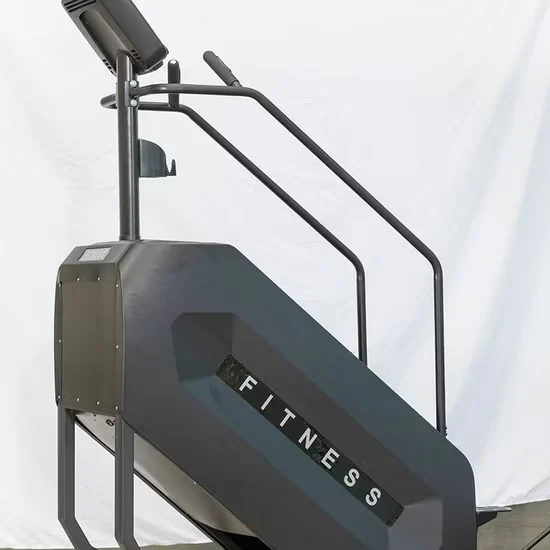
Commercial Stair Machine, Motor Drive, 180kg Max Load — engineered with steel pipe frame construction and motor-driven stepping mechanism for continuous high-traffic operation. Adjustable velocity from 15 to 164 steps per minute accommodates diverse training intensities. CE certified with 148kg net weight ensuring stability during dynamic use. Every unit undergoes load testing before shipment to guarantee structural integrity for demanding commercial environments.
// Spec Highlights
• Direct from Manufacturer · No Middlemen · Worldwide Shipping
01
// Material
Imported Solid Wood
Premium hardwood frames sourced for density and visual warmth.
02
// Hardware
Medical-Grade Silent
Whisper-quiet pulleys and springs for clinical environments.
03
// Customization
Appearance OEM
Color, upholstery, and branding tailored to your studio.
04
// Service
Layout Design
Free venue planning for studios and rehab institutions.
Every component is selected for longevity, performance, and aesthetic harmony - from imported hardwood frames to silent medical-grade accessories.
// Features
Motor-Driven Stepping Mechanism for Continuous Commercial Duty — Engineered with a steel pipe frame and sealed drive system rated for 180kg maximum user load across high-traffic gym environments.
| Parameter | Value |
|---|---|
| Product Type | Climbing Stepper |
| Frame Material | Steel Pipe + PP Plastic |
| Max User Weight | 180kg |
| Product Dimensions | 1450 × 820 × 2080 mm |
| Step Area | 560 × 235 × 220 mm |
| Net Weight | 148kg |
| Running Velocity | 15–164 steps/minute |
| Drive Type | Motor Drive |
| Power Input | AC220V±10% / AC110V±10% |
| Console Display | Time, Climb, Calories, Steps, Heart Rate |
| Certification | CE |
| Facility Type | Typical Use |
|---|---|
| Commercial Gym Cardio Zone | Primary climbing stepper for member warm-up and conditioning circuits |
| Hotel Fitness Center | Space-efficient vertical cardio unit for limited-floor resort gyms |
| University Athletic Facility | Supplementary conditioning tool for strength and conditioning programs |
Thin-wall steel pipe deforms under repeated eccentric stepping forces long before visual cracks appear.
Many climbing steppers marketed for gym use rely on vague "commercial grade" frame claims without verifiable steel gauge or mill certification. Under sustained 180kg dynamic loading, inadequate tube walls deflect at the step pivot junctions, creating lateral play that compounds with every rotation cycle. [NEED_CITE: structural deflection limits for fitness equipment frames under dynamic loading] The motor drive system then compensates for misalignment, accelerating bearing wear and introducing vibration that users feel through the footplates within weeks of installation.
This commercial stair climbing machine occupies a dedicated vertical movement plane that complements horizontal treadmill and elliptical rows in the cardio zone. The 1450 × 820 mm footprint allows placement against structural columns or within recessed alcoves where longer equipment cannot fit. The 15–164 steps/minute velocity range accommodates both rehabilitation-paced warm-ups and high-intensity interval conditioning. User height compatibility spans from approximately 155cm to 195cm based on step area geometry and console positioning.
Unlike steady-state cardio equipment, a climbing stepper subjects its frame to continuous eccentric impact as each footplate returns to the starting position under user weight. The step mechanism bearings experience radial and axial loads simultaneously during every revolution cycle, demanding sealed cartridge designs that exclude sweat and particulate contamination. [NEED_CITE: bearing service life under combined radial-axial loading in fitness equipment] The motor drive coupling must tolerate torsional vibration without backlash development, while the PP plastic step covers resist compression deformation and surface abrasion from footwear contact across thousands of daily cycles.
The steel pipe frame construction determines the commercial stair climbing machine’s resistance to torsional flex during single-leg loading phases. Tube wall thickness and cross-section geometry establish the deflection threshold before permanent deformation occurs at welded junctions. Motor drive systems rated for continuous duty cycles incorporate thermal protection that prevents winding insulation breakdown during extended operating periods. Sealed bearings at the step mechanism pivot points exclude the sweat and rubber particulate that degrade open bushing designs within months of gym installation. The 200μm powder coating applied after sandblast pretreatment provides chemical resistance against commercial disinfectants and prevents substrate exposure at high-contact handrail zones.
Frame tubes specified only by outer diameter without wall gauge allowance permit manufacturers to reduce material cost while maintaining visual appearance. Under sustained commercial stair climbing machine use, these thin-wall sections develop permanent set at weld heat-affected zones, creating frame twist that misaligns the step track. Non-sealed bearings require frequent disassembly for cleaning and relubrication, generating maintenance downtime that removes equipment from revenue service. Low-density PP step covers compress permanently under repeated loading, altering step geometry and creating slip hazards. Inadequate powder coating thickness exposes bare steel at handrail contact points within the first year, initiating corrosion that spreads beneath adjacent coating.
The steel pipe frame construction uses mill-certified material with traceable grade specifications, ensuring consistent mechanical properties across production batches. Robotic MIG welding produces continuous fillet welds at all structural junctions without the intermittent spot-weld patterns that develop fatigue cracks under cyclic loading. Every unit undergoes individual load testing before shipment, verifying structural integrity at rated capacity rather than relying on sample-based quality assurance. The 200μm industrial powder coating provides long-term surface protection against commercial cleaning chemicals and physical abrasion. Facility planners receive 2D-3D CAD layout support ensuring this commercial stair climbing machine integrates with appropriate safety clearances and traffic flow patterns in your cardio zone configuration.
Provide your cardio zone floor plan dimensions and existing equipment inventory to receive a 2D-3D layout recommendation showing optimal placement for this commercial stair climbing machine. Specify your facility’s daily user volume and peak-hour traffic patterns to confirm the motor drive system matches your operational intensity requirements. Indicate target user height ranges to verify step area geometry and console positioning accommodate your member demographics. Custom color coordination and facility branding options are available for multi-unit installations.
Q: How does motor drive compare to self-powered stepper mechanisms for gym environments?
A: Motor drive systems maintain consistent stepping velocity regardless of user weight or cadence, reducing mechanical stress on the step mechanism during speed transitions. Self-powered units rely on user effort to drive the step cycle, creating variable loading patterns that accelerate bearing wear. Motor-driven commercial stair climbing machines suit high-traffic facilities where consistent equipment behavior and reduced maintenance intervals justify the electrical connection requirement.
Q: What bearing maintenance is required for continuous-use cardio equipment?
A: Sealed cartridge bearings in the step mechanism require no routine lubrication and exclude contamination from sweat and particulate matter. Inspect bearings quarterly by rotating the step assembly manually and checking for roughness or axial play. Replace bearings when rotation becomes uneven or when measurable lateral movement develops at the pivot point. Properly sealed bearings typically outlast open bushing designs by a meaningful margin in commercial gym conditions.
Q: How do I plan floor space and safety clearances for stair machines?
A: The 1450 × 820 mm footprint requires minimum 600mm clearance on all sides for safe user mounting and dismounting. Position the commercial stair climbing machine away from high-traffic walkways to prevent collision with passing members. Ensure ceiling height accommodates the 2080mm equipment height plus overhead clearance for taller users. Group multiple units with consistent spacing to maintain visual alignment and emergency egress compliance.
Q: What determines console electronics durability in commercial conditions?
A: Console durability depends on sealed membrane switches that resist moisture ingress from sweat and cleaning spray, plus UV-stable display materials that prevent fading under gym lighting. Heart rate sensor contacts must tolerate repeated skin contact and disinfectant exposure without corrosion. The commercial stair climbing machine console connects to the motor drive through protected wiring harnesses that resist vibration-induced connection failures. Warranty coverage should specify both parts and labor for electronic component replacement.
Premium aesthetics meet quiet operation for boutique studio environments.
Medical-grade silence and precision for sports & postpartum recovery.
Furniture-grade craftsmanship for premium residential installations.
Compact premium setups for one-on-one and small-group training.
Aesthetic Pilates integration for hybrid wellness studio programming.
Multi-unit deployment with instructor-grade reliability for certification programs.
Tell us about your project. Our team will respond within 24 hours with pricing, customization options, and shipping details.
// Sales Director
William
+86 132 2531 1800
// Export Manager
Bella
+86 198 5412 8032
william@bickfit.com


