01 / Scenario
STUDIO
P
High-End Pilates Studios
Premium aesthetics meet quiet operation for boutique studio environments.
ISO
9001
CE
Certified
OEM
Available
10YR
Warranty
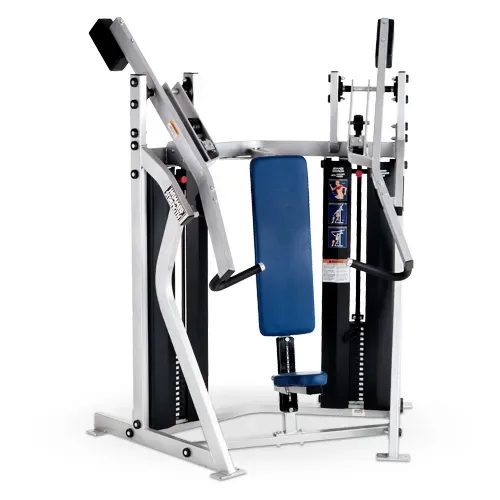
MTS-8013 Selectorized Seated Leg Curl Machine, Dual 70kg Stacks, Pin-Select Loading — engineered with ISO-Lateral movement patterns for targeted hamstring isolation across the full range of motion. Commercial-grade construction designed for continuous daily use in high-traffic strength training facilities. Every unit undergoes individual load testing before shipment to verify structural integrity under commercial demands.
// Spec Highlights
• Direct from Manufacturer · No Middlemen · Worldwide Shipping
01
// Material
Imported Solid Wood
Premium hardwood frames sourced for density and visual warmth.
02
// Hardware
Medical-Grade Silent
Whisper-quiet pulleys and springs for clinical environments.
03
// Customization
Appearance OEM
Color, upholstery, and branding tailored to your studio.
04
// Service
Layout Design
Free venue planning for studios and rehab institutions.
Every component is selected for longevity, performance, and aesthetic harmony - from imported hardwood frames to silent medical-grade accessories.
// Features
Mill-Certified Frame Steel — Every tube in this seated leg curl traces back to the coil with verifiable Q235 or Q345 documentation, not an unverifiable commercial-grade claim.
| Parameter | Value |
|---|---|
| Designation | MTS-8013 |
| Product Type | Selectorized Seated Leg Curl Machine |
| Weight Stack | 70 Kg X 2 Stacks |
| Loading Type | Pin Select |
| Product Dimensions | 122 Cm X 145 Cm X 140 Cm |
| Net Weight | 395 Kg |
| Machine Grade | Commercial Use |
| Condition | New |
| Customized | Customized |
| Certification | CE, ISO, SGS |
| Facility Type | Typical Use |
|---|---|
| Commercial Gym Strength Floor | Dedicated hamstring isolation station in high-traffic leg training zones |
| University Strength and Conditioning Room | Athlete posterior chain development under supervised programs |
| Hotel and Resort Fitness Center | Low-maintenance selectorized station for diverse guest usage |
| Rehabilitation and Performance Center | Controlled resistance hamstring work during return-to-play protocols |
A commercial selectorized seated leg curl machine either holds alignment under years of off-center loading or it develops play that no amount of maintenance fully corrects.
Many facilities have learned this the hard way. A selectorized station might look solid on day one, but when guide rods are undersized and bearings lack proper seals, the first signs of binding appear within months of daily use. The weight stack drifts, the cable frays at the pulley contact point, and the entire unit earns a reputation for being unreliable — even though the frame itself never failed. The problem was always in the pivot and guide details that buyers rarely verify before signing the purchase order. [NEED_CITE: EN 957 structural requirements for stationary training equipment]
This commercial selectorized seated leg curl machine targets the hamstrings through a fixed seated path, complementing free-weight movements like Romanian deadlifts and plate-loaded leg curls that demand more stabilization. In a strength zone layout, it sits naturally alongside quad-dominant selectorized stations and functional rigs, filling the isolation gap that pure free-weight areas leave open. The dual stack configuration serves users across a wide strength spectrum without requiring plate changes, keeping traffic flowing during peak hours.
The seated leg curl subjects the pivot axis to repeated eccentric loads as users resist the stack through the return phase. Each repetition cycles the weld joint at the main pivot bracket through tension and compression, meaning any discontinuity in the weld bead becomes a fatigue initiation point. The guide rods experience lateral forces when the stack is loaded unevenly — common when users pin only one side of a dual stack at lighter weights. Sealed bearings at the pivot must resist sweat ingress and chalk dust accumulation over thousands of cycles. [NEED_CITE: weld classification and fatigue performance in structural steel]
The net weight of 395 kg reflects the steel mass in the frame and dual stack assembly. A heavier machine at this footprint typically indicates thicker-walled tubing and denser stack plates rather than added sheet metal shrouds. The dual 70 kg stacks distribute load across two guide rod systems, reducing the lateral force each individual rod must manage compared to a single oversized stack. Pin-select loading through aircraft cable requires pulley diameters matched to the cable specification — undersized pulleys accelerate cable fatigue at the wrap point. Powder coating applied at industrial thickness levels protects the high-contact areas where plates rub against the guide frame and where users grip and release adjustment points repeatedly.
A thinner frame tube may pass initial load testing but accumulates micro-deformation with every heavy session, eventually shifting the pivot geometry enough that users feel the movement path drift. Spot-welded pivot brackets hold under static load but crack along the weld boundary when subjected to the repeated impact of stack plates dropping between sets. Non-sealed bearings in the pivot and pulley system develop play as sweat and dust penetrate the race, creating a rattle that grows louder each month until replacement becomes unavoidable. Thin powder coating chips at the stack guide contact points within the first year, exposing bare steel to moisture and starting a corrosion cycle that spreads under the adjacent coating. [NEED_CITE: powder coating thickness and substrate corrosion progression]
The frame uses 11-gauge steel with mill certification traceable to the coil, providing documented structural capacity rather than a generic commercial label. Robotic MIG welding produces continuous weld lines at every joint, eliminating the spot-weld weak points that fail under the cyclic loading of a leg curl pivot. Each unit undergoes individual load testing before shipment — not sample-based inspection from a production run of hundreds. The 200μm industrial powder coating withstands contact abrasion at the stack guide and adjustment points. A 10-year frame warranty backs the structural claims. CAD-based floor planning accounts for the 122 cm by 145 cm footprint plus the safe clearance needed for users to enter, load, and exit without encroaching on adjacent station traffic.
Provide your strength floor dimensions and current equipment list to receive a 2D or 3D layout showing where this station fits with proper clearances. State your expected daily user volume so we can confirm whether the structural grade matches your traffic profile. Share the body size range of your primary user population to verify the adjustment positions cover your members. Specify any custom requirements including frame color, logo placement, or upholstery selection.
Q: How can I verify the frame steel specification beyond a commercial-grade label?
A: Request mill certificates that trace the steel to the production coil, showing grade designation and wall thickness measurements. A verifiable commercial selectorized seated leg curl machine will have documentation linking each tube batch to a certified steel source, not just a generic material claim. Absent this paperwork, the frame specification is essentially an unverified marketing statement.
Q: What maintenance differences exist between sealed and unsealed pivot bearings?
A: Unsealed bearings allow sweat, chalk dust, and cleaning fluid to penetrate the race, accelerating wear and developing lateral play within months. Sealed industrial bearings resist contamination and maintain smooth pivot articulation through extended service intervals. The difference becomes especially apparent in leg training stations where the pivot endures repeated eccentric loading cycles throughout every operating hour.
Q: How does dual stack configuration affect load distribution compared to single stack?
A: Two 70 kg stacks spread the total resistance across separate guide rod and cable systems, reducing the lateral force on any single rod during off-center loading. This configuration also allows finer resistance increments when users pin lighter weights on one side. For a hamstring isolation machine, the dual setup provides progressive overload range suitable from rehabilitation loads through advanced athlete training without requiring hardware swaps.
Q: What should I check about upholstery before committing to a bulk order?
A: Confirm the foam density rating and vinyl tear strength specifications, then ask whether replacement pads are stocked as spare parts. High-traffic commercial environments compress low-density foam within months, creating an uneven contact surface that users notice immediately. Availability of replacement upholstery ensures the commercial selectorized seated leg curl machine remains serviceable without replacing the entire seat assembly.
Premium aesthetics meet quiet operation for boutique studio environments.
Medical-grade silence and precision for sports & postpartum recovery.
Furniture-grade craftsmanship for premium residential installations.
Compact premium setups for one-on-one and small-group training.
Aesthetic Pilates integration for hybrid wellness studio programming.
Multi-unit deployment with instructor-grade reliability for certification programs.
Tell us about your project. Our team will respond within 24 hours with pricing, customization options, and shipping details.
// Sales Director
William
+86 132 2531 1800
// Export Manager
Bella
+86 198 5412 8032
william@bickfit.com