01 / Scenario
STUDIO
P
High-End Pilates Studios
Premium aesthetics meet quiet operation for boutique studio environments.
ISO
9001
CE
Certified
OEM
Available
10YR
Warranty
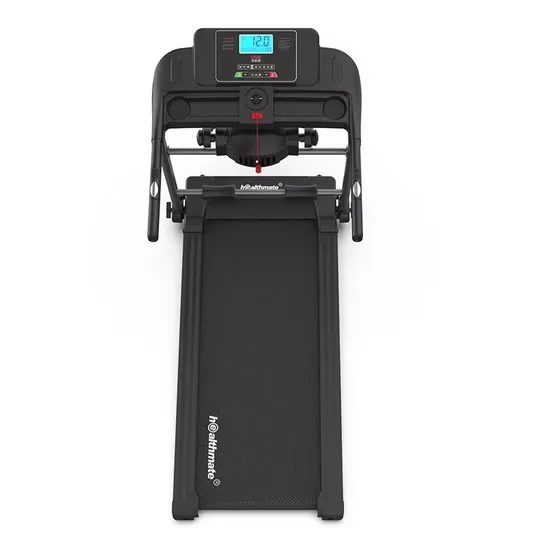
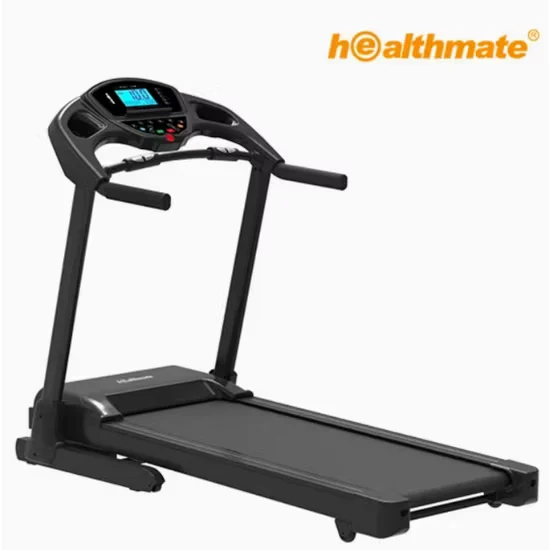
Household Motorized Treadmill, DC2.5HP Motor, 1-18 km/h Speed Range, 1320×480mm Running Surface — engineered with a foldable frame and 12 preset programs for compact home fitness setups. Features a multi-function LCD console tracking speed, distance, time, calories, and pulse data. Each unit undergoes load testing before shipment, backed by a 10-year frame warranty and full OEM customization for logo and packaging.
// Spec Highlights
• Direct from Manufacturer · No Middlemen · Worldwide Shipping
01
// Material
Imported Solid Wood
Premium hardwood frames sourced for density and visual warmth.
02
// Hardware
Medical-Grade Silent
Whisper-quiet pulleys and springs for clinical environments.
03
// Customization
Appearance OEM
Color, upholstery, and branding tailored to your studio.
04
// Service
Layout Design
Free venue planning for studios and rehab institutions.
Every component is selected for longevity, performance, and aesthetic harmony - from imported hardwood frames to silent medical-grade accessories.
// Features
Foldable Frame Integrity Under Repeated Use — The folding hinge mechanism on this household motorized treadmill DC2.5HP foldable unit is engineered with reinforced steel pivots to maintain alignment after thousands of fold-unfold cycles.
| Parameter | Value |
|---|---|
| Product Type | Motorized Treadmill |
| Motor | DC 2.5HP |
| Maximum Speed | 1–18 km/h |
| Runway Size | 1320 × 480 mm |
| Product Dimensions (Unfolded) | 1735 × 770 × 1330 mm |
| Net Weight | 63.0 kg |
| LCD Screen | Speed / Distance / Time / Calories / Pulse |
| Programs | 12 preset programs |
| Folded | Yes |
| Certification | CE, RoHS |
| Customization | Available (logo / packaging) |
| Color Options | Multicolor / Customized |
| Production Capacity | 3000 units/month |
| Facility Type | Typical Use |
|---|---|
| Household / Home Gym | Daily cardio for individual users |
| Apartment Residential Space | Compact foldable storage when not in use |
| Small Personal Studio | Light fitness sessions for trainers or clients |
| Hotel Guest Room Fitness | Supplementary cardio amenity for guests |
A DC 2.5HP motor must deliver continuous output — not just peak wattage on a spec sheet.
Most household treadmills advertise peak motor power while omitting the continuous duty rating that actually determines how long the motor survives under a 90kg runner at 12km/h. The household motorized treadmill DC2.5HP foldable design pairs a rated DC motor with a 1320 × 480 mm running surface, but buyers rarely verify whether the motor’s thermal cutoff is triggered during sustained 30-minute sessions. When the belt slips or the deck overheats six months in, the root cause is almost always a motor sized for marketing copy rather than real-world load. [NEED_CITE: continuous duty rating standards for small electric motors in fitness equipment]
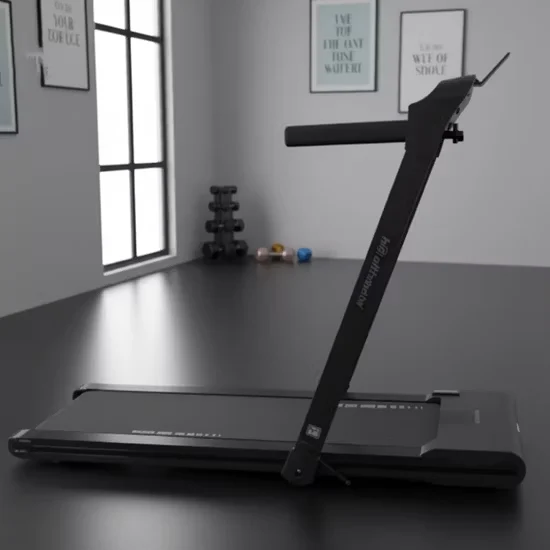
This household motorized treadmill DC2.5HP foldable unit occupies a single-user cardio station in a residential or small studio environment. The 1320 × 480 mm running surface accommodates stride lengths typical of users between 160 cm and 185 cm, while the 18 km/h top speed covers jogging through moderate running paces. In a home gym floor plan, it complements bodyweight stations or adjustable dumbbell racks without demanding dedicated circuit wiring. The foldable design allows the unit to be stored vertically against a wall, reclaiming floor space for strength equipment or open movement areas between sessions.
Every fold-unfold cycle loads the hinge pins and gas strut mounts with the full 63 kg machine weight concentrated at the pivot axis. Over months of daily use, non-sealed pivot bushings accumulate dust and sweat residue, accelerating wear at the contact surfaces. The gas struts that assist the folding motion lose damping pressure gradually — a degradation that is invisible until the deck drops unexpectedly during unfolding. Welded joints at the frame-to-hinge transition experience cyclic fatigue from the impact of the deck landing in the locked position. [NEED_CITE: fatigue analysis of hinged steel structures under repeated loading]
The 63 kg net weight of this unit signals a steel frame that is lighter than commercial-grade treadmills but must still resist lateral sway at 18 km/h. The 1320 × 480 mm running surface width determines whether a runner’s foot strike stays within the belt edges — narrower decks force stride correction that increases knee valgus stress. The DC motor’s thermal mass and cooling fan design dictate whether the motor can sustain 10 km/h for 45 minutes without tripping its thermal protector. The LCD console reads speed, distance, time, calories, and pulse — parameters that require a functioning speed sensor and pulse grip contact plates, both of which degrade with sweat exposure if not sealed.
Manufacturers chasing a lower price point thin the frame tubing and reduce the deck thickness — changes invisible in a product photo but catastrophic under load. A deck that is too thin flexes excessively under footstrike, accelerating belt wear and motor strain simultaneously. Thin-gauge frame tubes at the folding hinge develop play that translates into lateral wobble at higher speeds, creating a perception of instability that has nothing to do with the motor. When the gas struts fail and replacement parts are unavailable because the model has been discontinued, the entire unit becomes scrap — a cost structure that favors the buyer who verifies component serviceability before purchase. [NEED_CITE: deck thickness and belt wear correlation in motorized treadmill design]
The household motorized treadmill DC2.5HP foldable model is produced in a vertically integrated facility with 17 years of fitness equipment manufacturing heritage. Every unit undergoes load testing before shipment, and the CE and RoHS certifications confirm compliance with European safety and environmental standards. The 1320 × 480 mm running surface and 63 kg frame weight are documented in the specification sheet — no vague "commercial-grade" claims without verifiable steel gauge. Customization options for logo placement and packaging allow hotel operators and residential developers to align the product with their brand identity. For buyers outfitting multiple guest rooms or residential units, the 3000 units/month production capacity supports phased procurement schedules.
Provide your floor area dimensions and target equipment list to receive a 2D-3D spatial layout plan that accounts for the household motorized treadmill DC2.5HP foldable unit’s unfolded footprint and safe clearance zones. Specify your expected daily user count and average user weight range so the motor duty cycle and deck construction can be matched to actual usage intensity. Indicate any customization requirements for branding, color, or packaging to align procurement with your facility’s operational identity.
Q: What is the difference between a household motorized treadmill and a commercial treadmill in structural terms?
A: Commercial treadmills use AC motors rated for 8+ hours of daily continuous operation, heavier-gauge steel frames exceeding 150 kg, and larger running surfaces above 1500 × 560 mm. This household motorized treadmill DC2.5HP foldable unit uses a DC motor designed for 1–2 hours of daily use, a 63 kg frame, and a 1320 × 480 mm running surface — appropriate for residential or light-use environments but not engineered for high-traffic commercial gym floors.
Q: How do I choose the right running surface size based on user height?
A: Users under 170 cm typically have a stride length that fits comfortably within a 1320 mm deck. Taller users above 180 cm may find the same deck length restrictive at speeds above 10 km/h, as longer strides push the foot toward the rear roller. The 480 mm width on this household motorized treadmill DC2.5HP foldable model provides adequate lateral margin for most adult users, but those accustomed to wider commercial decks may perceive it as narrow during faster running.
Q: How can I assess the durability of the folding mechanism before purchase?
A: Examine the hinge pin diameter and whether the pivot uses sealed bushings or open plain bearings — sealed designs resist dust and sweat contamination significantly better. Gas strut quality is indicated by the presence of a brand marking and the smoothness of the assist motion; unmarked struts with inconsistent damping are likely low-grade components. On this household motorized treadmill DC2.5HP foldable unit, the hinge assembly and strut mounts should be inspected for weld quality and play before the first fold cycle.
Q: What routine maintenance does a household motorized treadmill require?
A: The running belt must be lubricated with silicone-based lubricant every 3 months or 150 hours of use to prevent excessive friction that overloads the DC motor. Belt tension should be checked quarterly — a loose belt slips underfoot while an overtightened belt accelerates motor bearing wear. The folding hinge pins and gas strut mounts need visual inspection for corrosion or play. Keep the motor compartment free of dust accumulation, which insulates the motor windings and triggers thermal shutdown.
Premium aesthetics meet quiet operation for boutique studio environments.
Medical-grade silence and precision for sports & postpartum recovery.
Furniture-grade craftsmanship for premium residential installations.
Compact premium setups for one-on-one and small-group training.
Aesthetic Pilates integration for hybrid wellness studio programming.
Multi-unit deployment with instructor-grade reliability for certification programs.
Tell us about your project. Our team will respond within 24 hours with pricing, customization options, and shipping details.
// Sales Director
William
+86 132 2531 1800
// Export Manager
Bella
+86 198 5412 8032
william@bickfit.com