01 / Scenario
STUDIO
P
High-End Pilates Studios
Premium aesthetics meet quiet operation for boutique studio environments.
ISO
9001
CE
Certified
OEM
Available
10YR
Warranty
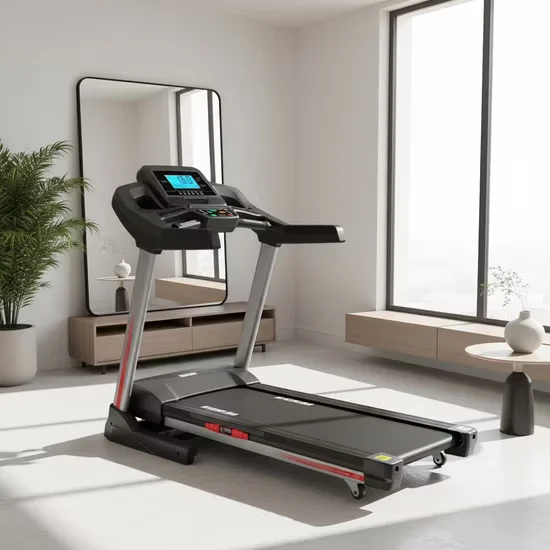
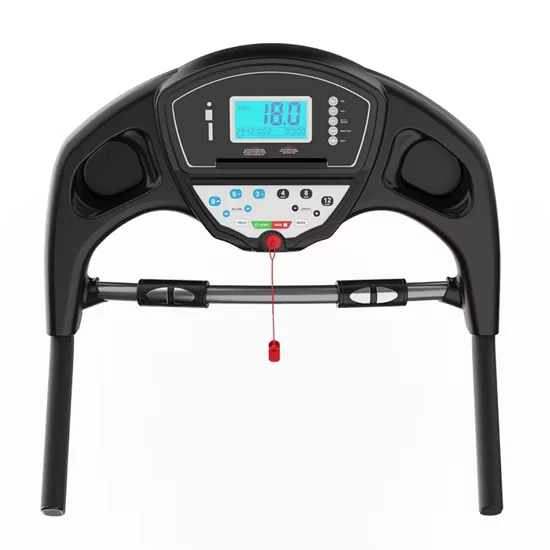
Motorized Treadmill with Comfort Armrest, DC2.5HP Motor, 1320×480mm Running Surface — foldable frame design reduces floor footprint for home and light commercial environments; 12 preset programs and LCD console track speed, distance, time, calories, and pulse; 1-18 km/h speed range supports walking through interval running with consistent belt drive. Every unit undergoes load testing before shipment, backed by 10-year frame warranty and direct manufacturer support.
// Spec Highlights
• Direct from Manufacturer · No Middlemen · Worldwide Shipping
01
// Material
Imported Solid Wood
Premium hardwood frames sourced for density and visual warmth.
02
// Hardware
Medical-Grade Silent
Whisper-quiet pulleys and springs for clinical environments.
03
// Customization
Appearance OEM
Color, upholstery, and branding tailored to your studio.
04
// Service
Layout Design
Free venue planning for studios and rehab institutions.
Every component is selected for longevity, performance, and aesthetic harmony - from imported hardwood frames to silent medical-grade accessories.
// Features
Folding Frame Locking Integrity — hinge pins and latch brackets undergo load cycling to verify stability at maximum running speed.
| Parameter | Value |
|---|---|
| Product Type | Motorized Treadmill |
| Model | MT166 |
| Motor | DC 2.5HP |
| Speed Range | 1–18 km/h |
| Maximum Speed | 15–22 km/h |
| Running Surface | 1320 × 480 mm |
| Product Dimensions (Unfolded) | 1735 × 770 × 1330 mm |
| Net Weight | 63.0 kg |
| Foldable | Yes |
| Console Display | LCD — Speed / Distance / Time / Calories / Pulse |
| Preset Programs | 12 |
| Color Options | Multicolor |
| Certification | CE, RoHS |
| Facility Type | Typical Use |
|---|---|
| Home Fitness Room | Primary cardio unit where floor footprint must collapse between sessions |
| Hotel Fitness Center | Light-traffic floor requiring foldable storage and controlled noise output |
| Apartment Gym | Shared cardio station with space constraints and multi-floor vibration sensitivity |
| Light Commercial Gym | Supplementary treadmill alongside plate-loaded and selectorized strength lines |
A motorized treadmill with comfort armrest that shakes laterally or loses belt traction above 14 km/h signals structural compromise — the frame’s torsional rigidity and motor torque delivery determine whether the unit feels planted or precarious during sustained running.
In high-traffic environments, treadmill frames that rely on thin-wall tubing and spot-welded hinge joints develop play at the fold mechanism within months. The armrest mounting brackets, if not gusseted or through-bolted, transmit vibration directly to the console and handgrip, eroding the user’s sense of control. Belt decks that lack adequate thickness or lubrication channels accelerate wear unevenly, creating dead zones where foot strike feels unstable. [NEED_CITE: EN 957 structural requirements for stationary training equipment]
This motorized treadmill with comfort armrest occupies the entry-level cardio tier — suitable for users transitioning from walking to interval running at speeds up to 18 km/h. The 1320 × 480 mm running surface accommodates average adult stride length without overextending the lateral stability envelope. In facility layouts, it pairs with self-powered air bikes and rowers to create a diversified warm-up zone adjacent to free-weight racks. The foldable frame allows operators to reclaim floor space during low-traffic hours or reconfigure the cardio line for functional training events.
Every foot strike on a treadmill deck generates impact loading that transfers through the belt, deck, frame rails, and ultimately the floor. Over thousands of cycles, welded joints at the fold hinge and armrest base experience fatigue stress — particularly if the frame uses spot welds rather than continuous seams. The DC motor sustains belt speed under varying user weights, but thermal buildup during prolonged high-speed operation can degrade insulation and brush life if duty cycle ratings are insufficient. Console pulse sensors and LCD readouts must maintain calibration despite vibration exposure; loose wiring harnesses or unshielded connectors introduce erratic feedback that users interpret as equipment failure. [NEED_CITE: weld classification and fatigue performance in structural steel]
The 63 kg net weight reflects a frame built from folded steel tubing — adequate for residential and light commercial duty, but distinct from commercial-grade units that exceed 100 kg with 11-gauge welded chassis. The DC 2.5HP motor rating indicates continuous duty capacity; peak claims often double this figure for marketing, but sustained belt speed above 16 km/h under heavier users requires verified thermal protection and adequate flywheel mass to smooth torque delivery. The 1320 mm running length provides sufficient stride for users up to approximately 185 cm; shorter decks force heel-strike truncation at higher speeds. The folding mechanism’s hinge pin diameter and latch hook engagement depth determine long-term rigidity — undersized pins develop play that amplifies console vibration and creates perceived instability even when the frame remains structurally sound.
Manufacturers pursuing aggressive price points thin the frame tubing and reduce weld coverage at structural joints. The result is a treadmill that passes initial quality checks but develops audible flex at the fold hinge within a year of daily use. Non-sealed motor bearings accumulate dust and lint from the belt surface, increasing friction and accelerating brush wear. Low-density deck underlayment compresses permanently under repeated loading, creating a hardened running surface that transfers impact directly to user joints. Replacement parts for proprietary consoles or non-standard fold latches become unavailable within two to three years, forcing full unit retirement rather than component-level repair. [NEED_CITE: belt deck material durability under repetitive impact loading]
The MT166 addresses facilities that need foldable cardio without committing to full commercial-grade footprint and cost. The 1735 × 770 mm unfolded dimensions fit standard elevator shafts and residential doorways, while the folded profile reduces storage depth significantly. Operators receive CE and RoHS certification documentation for regulatory compliance across European and international markets. The 12 preset programs and LCD feedback provide structured workout guidance without requiring external app integration. Color options allow visual alignment with existing facility branding or interior design themes.
Operators planning cardio zones for hotels, apartment complexes, or light commercial gyms can submit floor dimensions and target daily user volume to receive a 2D-3D layout recommendation. Specifying expected user weight range and peak session duration helps match motor duty cycle and frame load rating to operational demand. Custom color finishes and facility branding requirements are available upon request for multi-unit deployments.
Q: How should I evaluate the DC 2.5HP motor rating against peak horsepower claims from other brands?
A: Continuous horsepower reflects the motor’s sustained output under load without thermal shutdown, while peak figures represent momentary capacity during startup or incline simulation. For a motorized treadmill with comfort armrest used in home or light commercial settings, continuous rating determines whether the belt maintains consistent speed under heavier users at higher velocities. Request thermal protection specifications and duty cycle classification from the supplier to verify real-world performance rather than marketing numbers.
Q: What running surface dimensions are necessary to support comfortable stride at different speeds?
A: A 1320 mm running length accommodates most adult users up to approximately 185 cm tall during walking and moderate jogging. At speeds above 14 km/h, stride length increases and users with longer legs may feel constrained on decks shorter than 1400 mm. The 480 mm width provides adequate lateral margin for natural foot placement without excessive overhang that accelerates belt edge wear. Match deck size to your expected user height distribution rather than selecting solely on price tier.
Q: What structural features should I inspect on a foldable treadmill frame before purchase?
A: Examine the fold hinge pin diameter and latch hook engagement depth — undersized pins develop play that amplifies vibration, while shallow latch hooks risk accidental release during use. Verify that armrest mounting brackets are gusseted or through-bolted rather than spot-welded to thin tubing. Check whether the frame includes cross-bracing between the uprights to resist torsional flex during high-speed running. Request weld inspection photos or factory audit reports confirming joint integrity at load-bearing nodes.
Q: How often should the running deck be lubricated and the belt tension checked?
A: Deck lubrication intervals depend on usage frequency and environmental dust levels — most manufacturers recommend servicing every 300 operating hours or when the console triggers a maintenance alert. Belt tension should be verified quarterly; excessive slack causes slipping under foot strike, while over-tightening accelerates motor bearing wear. Use only manufacturer-specified silicone-based lubricants to avoid degrading the deck underlayment or belt cord structure.
Premium aesthetics meet quiet operation for boutique studio environments.
Medical-grade silence and precision for sports & postpartum recovery.
Furniture-grade craftsmanship for premium residential installations.
Compact premium setups for one-on-one and small-group training.
Aesthetic Pilates integration for hybrid wellness studio programming.
Multi-unit deployment with instructor-grade reliability for certification programs.
Tell us about your project. Our team will respond within 24 hours with pricing, customization options, and shipping details.
// Sales Director
William
+86 132 2531 1800
// Export Manager
Bella
+86 198 5412 8032
william@bickfit.com
![Auto-Incline Walking Treadmill for Home & Hotel Fitness [WARN] draft identifier mismatch](https://bickgym.com/wp-content/uploads/2026/08/auto-incline-walking-treadmill-for-home-hotel-fitness-warn-draft-identifier-mismatch-5e34a8.webp)