01 / Scenario
STUDIO
P
High-End Pilates Studios
Premium aesthetics meet quiet operation for boutique studio environments.

ISO
9001
CE
Certified
OEM
Available
10YR
Warranty
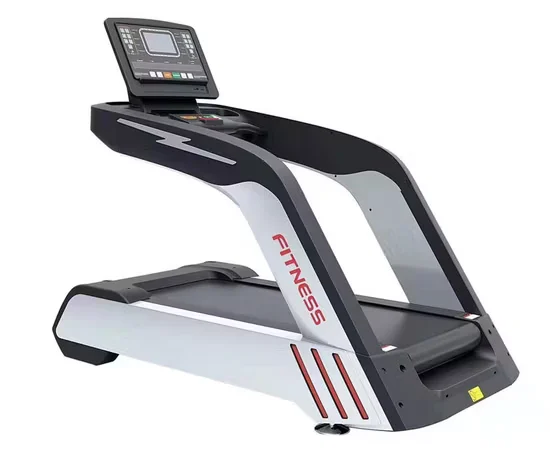
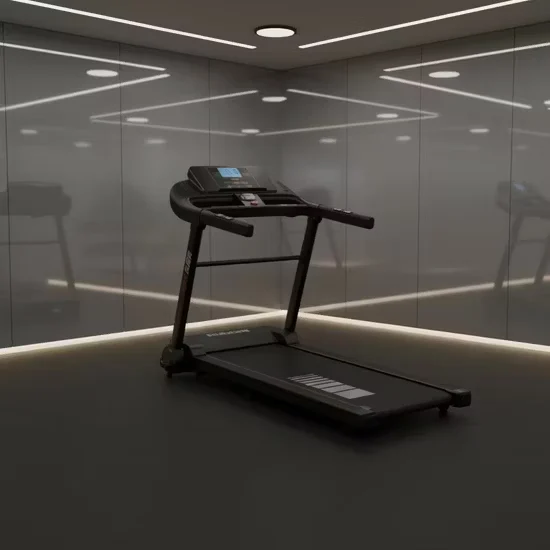
Motorized Treadmill, 1.5/DC2.0HP Motor, 1200x420mm Running Surface — engineered with a foldable frame and manual incline mechanism for space-efficient deployment in home gyms and light commercial facilities. The 12 preset programs and LCD feedback support structured cardio sessions, while CE and RoHS certifications confirm compliance for international markets. Every unit undergoes load testing before shipment to ensure structural reliability.
// Spec Highlights
• Direct from Manufacturer · No Middlemen · Worldwide Shipping
01
// Material
Imported Solid Wood
Premium hardwood frames sourced for density and visual warmth.
02
// Hardware
Medical-Grade Silent
Whisper-quiet pulleys and springs for clinical environments.
03
// Customization
Appearance OEM
Color, upholstery, and branding tailored to your studio.
04
// Service
Layout Design
Free venue planning for studios and rehab institutions.
Every component is selected for longevity, performance, and aesthetic harmony - from imported hardwood frames to silent medical-grade accessories.
// Features
Verified Load Testing — every motorized treadmill with manual incline undergoes full-cycle run testing before shipment, confirming deck stability and frame rigidity under sustained operation.
| Parameter | Value |
|---|---|
| Product Type | Motorized Treadmill |
| Product Dimensions | 1490 × 720 × 1100 mm (unfolded) |
| Running Surface | 1200 × 420 mm |
| Net Weight | 37 kg |
| Motor | DC 1.5 / 2.0 HP |
| Speed Range | 1 – 12 km/h |
| Incline Function | Manual Incline |
| Display | LCD — Speed / Distance / Time / Calories / Pulse |
| Preset Programs | 12 |
| Foldable | Yes |
| Certification | CE, RoHS |
| Customization | Logo and packaging options available |
| Facility Type | Typical Use |
|---|---|
| Boutique fitness studios | Foldable cardio station for compact floor plans |
| Hotel and resort fitness rooms | Low-maintenance treadmill for guest daily use |
| Home gyms | Primary cardio equipment with space-saving fold design |
| Personal training studios | Warm-up and conditioning tool between strength circuits |
| Light commercial gyms | Supplementary cardio line for moderate-traffic zones |
Many motorized treadmill with manual incline units on the market rely on thin-gauge steel tubing and spot-welded folding joints — structures that pass visual inspection but crack within months under repeated dynamic loading from running impact.
Continuous robotic MIG welding at folding hinge points eliminates the fatigue cracks that spot welds inevitably produce under cyclic footstrike loading.
From a structural engineering standpoint, a treadmill frame endures vertical impact forces with every stride, lateral torsion during off-center foot placement, and repeated folding-unfolding cycles that stress hinge joints. When manufacturers cut corners with spot welds at these critical junctions, micro-fractures propagate invisibly until the frame shifts or collapses entirely [NEED_CITE: weld classification and fatigue performance in structural steel]. The manual incline mechanism adds another stress concentration point where the deck angle adjustment hardware must resist sustained compressive loads without deformation.
This motorized treadmill with manual incline occupies the warm-up and active-recovery zone adjacent to free-weight and functional training areas. The 1200 × 420 mm running surface accommodates users across a broad height range while the 1200 mm deck length provides adequate stride clearance for moderate-paced running. In facility configurations, it pairs with functional rigs and cable systems to create a complete conditioning circuit. The foldable frame design allows operators to reclaim floor space during low-traffic periods, making it suitable for venues where cardio equipment density must be balanced against strength station count.
A treadmill frame experiences three distinct loading regimes: static weight bearing when stationary, repetitive vertical impact during running gait cycles, and torsional stress from lateral foot placement variations. Over hundreds of daily cycles, these forces concentrate at the folding hinge mechanism, the incline adjustment bracket, and the motor mount plate. Unsealed bearings in the deck roller system allow dust and moisture ingress, accelerating wear and producing audible play within the first operational year [NEED_CITE: bearing seal performance in high-traffic fitness equipment]. The powder coating at handrail contact points and fold-latch interfaces faces chemical exposure from cleaning agents and sweat, requiring sufficient film thickness to prevent substrate exposure and corrosion initiation.
The DC 2.0 HP motor rating determines the thermal duty cycle — continuous operation at higher user weights generates heat that must be dissipated without thermal shutdown, making motor enclosure ventilation a critical design factor. The 1200 × 420 mm running deck dimensions directly influence stride comfort and lateral stability; decks narrower than 420 mm force users into constrained foot placement patterns that increase joint stress. The manual incline mechanism, while eliminating the maintenance burden of an incline motor and gearbox, requires a mechanically robust locking bracket that holds the deck angle securely under dynamic loading without slippage. Foldable frame joints must maintain rigidity in the deployed position — any lateral play at the hinge translates directly to deck wobble during use, undermining user confidence and accelerating wear on the running belt and deck interface.
Manufacturers who spec thin-wall steel tubes to reduce material costs accept frame flex under heavier users — a deformation that worsens progressively as weld points fatigue. Spot-welded hinge joints that fail mid-use create immediate liability exposure for facility operators, particularly in commercial environments with high daily user volume. Non-sealed deck roller bearings that develop play require full disassembly for replacement, generating downtime and service costs that compound over the equipment lifespan. Low-density foam padding on handrail grips compresses permanently within months of commercial use, leaving bare metal contact surfaces that degrade both user comfort and equipment appearance.
The motorized treadmill with manual incline is produced in a 15,000 ㎡ vertically integrated facility where every unit undergoes load testing before shipment — not sample-based inspection. Robotic MIG welding ensures continuous weld lines at all structural joints, including the critical folding hinge and incline bracket connections. The 200μm industrial powder coating provides chemical and abrasion resistance across the full frame surface. BICKFIT provides 2D-3D CAD floor planning support to ensure this treadmill’s 1490 × 720 mm footprint integrates with proper safety clearances adjacent to other cardio and strength stations. A 10-year frame warranty covers the structural integrity of the main chassis, and OEM customization including logo and packaging is available for branded facility deployments.
Provide your available cardio zone dimensions and adjacent equipment list to receive a 2D-3D floor layout showing this motorized treadmill with manual incline positioned with appropriate safety clearances. Specify your estimated daily user volume so the structural duty cycle can be matched to your operational intensity. Indicate any customization requirements for branding, color schemes, or packaging to align with your facility identity.
Q: What motor HP rating is appropriate for daily commercial use versus occasional home use?
A: The DC 2.0 HP motor in this unit provides sufficient thermal capacity for extended daily sessions. For commercial environments exceeding six hours of continuous daily operation, verify that the motor enclosure includes adequate ventilation and that user weight remains within the designed load parameters to prevent thermal overload during sustained running.
Q: How does a foldable treadmill frame maintain rigidity compared to fixed-frame designs?
A: Rigidity depends on the hinge joint design and locking mechanism quality. This unit uses reinforced folding joints with positive-lock latches that eliminate lateral play when deployed. The key verification point is checking for any detectable movement at the hinge when the frame is in running position — any wobble indicates insufficient joint engineering.
Q: What maintenance does the manual incline mechanism require compared to motorized incline systems?
A: Manual incline eliminates the incline motor, gearbox, and associated wiring, removing several common failure points. The mechanical adjustment bracket requires periodic lubrication of the pivot points and visual inspection of the locking pin for wear. This simplicity translates to lower long-term maintenance costs and reduced downtime risk in commercial settings.
Q: How should I evaluate running deck dimensions when selecting a treadmill for varied users?
A: The 1200 × 420 mm surface accommodates most adult users for walking and jogging. For facilities serving taller users who require longer stride lengths during running, verify that the 1200 mm deck length provides adequate clearance beyond their natural stride. Deck width of 420 mm ensures comfortable foot placement without forcing users into constrained lateral positioning.
Q: What indicators signal that the running belt and deck require replacement?
A: Visible fraying at belt edges, increased friction noise during operation, and noticeable belt slippage under footstrike all indicate wear progression. Deck surface should be inspected for grooving or uneven wear patterns that suggest misalignment. Replacement intervals depend on daily usage hours and user weight, but proactive inspection prevents sudden belt failure during operation.
Premium aesthetics meet quiet operation for boutique studio environments.
Medical-grade silence and precision for sports & postpartum recovery.
Furniture-grade craftsmanship for premium residential installations.
Compact premium setups for one-on-one and small-group training.
Aesthetic Pilates integration for hybrid wellness studio programming.
Multi-unit deployment with instructor-grade reliability for certification programs.
Tell us about your project. Our team will respond within 24 hours with pricing, customization options, and shipping details.
// Sales Director
William
+86 132 2531 1800
// Export Manager
Bella
+86 198 5412 8032
william@bickfit.com