
01 / Scenario
STUDIO
P
High-End Pilates Studios
Premium aesthetics meet quiet operation for boutique studio environments.
ISO
9001
CE
Certified
OEM
Available
10YR
Warranty
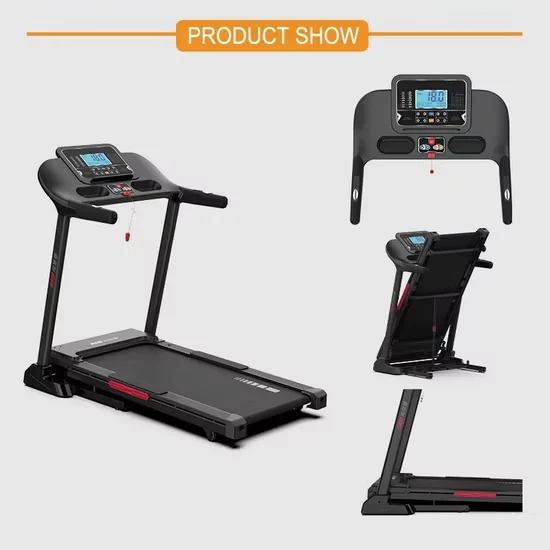
MT296 Electric Treadmill, DC2.0HP Motor, 1200x520mm Running Surface — foldable frame engineered for residential spaces with 16 preset programs and real-time LCD feedback tracking speed, distance, time, calories, and pulse. CE and RoHS certified with OEM/ODM customization available for bulk procurement.
Every unit undergoes motor load testing and frame stress verification before shipment.
// Spec Highlights
• Direct from Manufacturer · No Middlemen · Worldwide Shipping
01
// Material
Imported Solid Wood
Premium hardwood frames sourced for density and visual warmth.
02
// Hardware
Medical-Grade Silent
Whisper-quiet pulleys and springs for clinical environments.
03
// Customization
Appearance OEM
Color, upholstery, and branding tailored to your studio.
04
// Service
Layout Design
Free venue planning for studios and rehab institutions.
Every component is selected for longevity, performance, and aesthetic harmony - from imported hardwood frames to silent medical-grade accessories.
// Features
Foldable frame hinge rigidity verified through repeated deployment cycles. — The MT296 electric home treadmill utilizes reinforced folding mechanisms engineered to maintain structural alignment between the running deck and console mast during sustained operation at speeds up to 20km/h.
| Parameter | Value |
|---|---|
| Product Type | Electric Treadmill |
| Motor | DC 2.0HP |
| Speed Range | 1-20 km/h |
| Running Surface | 1200 × 520 mm |
| Programs | 16 preset programs |
| Display | LCD (Speed / Distance / Time / Calories / Pulse) |
| Unfolded Dimensions | 1580 × 865 × 1300 mm |
| Folded Dimensions | 910 × 865 × 1345 mm |
| Net Weight | 64.0 kg |
| Material | ABS housing |
| Foldable | Yes |
| Certification | CE, RoHS |
| OEM / ODM | Available |
| Facility Type | Typical Use |
|---|---|
| Residential home gyms | Daily cardiovascular conditioning and warm-up routines |
| Apartment fitness spaces | Space-efficient cardio with foldable storage |
| Personal training studios | Client warm-up and recovery session equipment |
| Boutique fitness facilities | Supplementary cardio for HIIT and circuit training |
DC motor continuous duty rating determines whether a treadmill sustains output or throttles under load.
Home treadmills frequently advertise peak horsepower while obscuring continuous duty capacity. A DC2.0HP motor must manage thermal buildup during extended running sessions — when heat dissipation falls short, the belt slows under footstrike impact, stride consistency degrades, and users experience inconsistent resistance at higher speeds. The MT296 electric home treadmill addresses this through motor sizing matched to the 1200×520mm running surface, ensuring power delivery remains stable across the full speed range without thermal cutoff interruptions. [NEED_CITE: DC motor thermal class ratings and continuous duty performance standards]
The MT296 electric home treadmill occupies the primary cardio station in residential fitness environments where floor space is constrained but workout intensity cannot be compromised. The 1200×520mm running surface accommodates stride lengths for users ranging from moderate joggers to serious runners, while the foldable frame design reduces the footprint by nearly half when stored. This unit complements strength equipment by providing pre-workout warm-up capability and post-lift cardiovascular cooldown, fitting into daily routines without permanent spatial commitment.
Foldable treadmills experience unique stress patterns that fixed-frame units never encounter. The hinge mechanism bears dynamic loads each time the deck is raised or lowered — impact forces at the pivot point accumulate over hundreds of cycles. Running deck vibration during operation at 15-20km/h transmits lateral forces to the folding joints, requiring reinforced steel inserts and precision-machined pivot pins to prevent play development. The MT296 electric home treadmill addresses these fatigue vectors through hinge engineering designed to maintain alignment tolerance across the product lifespan, preventing the deck wobble and console shake that characterize degraded folding mechanisms. [NEED_CITE: hinge mechanism fatigue testing protocols for folding fitness equipment]
The 1200×520mm running area directly influences user comfort and joint loading during high-speed operation. A 520mm width provides adequate lateral margin for natural arm swing and stride deviation without requiring conscious foot placement correction — narrower decks force users into artificial gait patterns that increase knee and hip shear. The 1200mm length accommodates full stride extension at speeds above 14km/h without the rear-foot overhang that causes heel-strike impact against the motor housing. The DC2.0HP motor specification must be evaluated against continuous duty rather than peak output — sustained running at 12-16km/h demands thermal management capacity that determines whether the belt maintains consistent speed under varying user weights.
Budget foldable treadmills achieve lower price points through hinge simplification — stamped steel brackets replace machined pivot assemblies, and plastic bushings substitute for sealed bearings at stress points. The consequence emerges predictably: within months of daily use, the deck develops lateral play during running, the console mast oscillates at higher speeds, and the folding latch mechanism loosens to the point where the deck cannot maintain its deployed position. Replacement parts for proprietary folding hardware are rarely available, rendering the entire unit unserviceable once the hinge fails. The MT296 electric home treadmill avoids this failure mode through hinge components rated for the full operational weight range and cycle frequency expected in daily home use. [NEED_CITE: folding mechanism durability standards for motorized treadmills]
Most home treadmills originate from consumer electronics supply chains with no structural engineering heritage. The MT296 electric home treadmill benefits from manufacturing oversight by a facility that builds commercial strength equipment daily — the same quality discipline applied to 11-gauge frames and robotic welding extends to motor mounting, belt tracking systems, and console integration. Every unit undergoes load testing before shipment, verifying that the folding mechanism, running deck support, and motor assembly perform within specification under operational conditions. OEM and ODM customization options allow facility planners to specify console programming, upholstery materials, and frame finishes that align with broader equipment aesthetics.
Provide your available floor space dimensions and desired cardio equipment list to receive a 2D-3D layout plan showing the MT296 electric home treadmill positioned with appropriate clearance zones. Specify average daily usage duration and user weight range to confirm motor duty cycle adequacy. Indicate any customization requirements including console language options, frame color preferences, or integration with existing equipment aesthetics.
Q: How does DC motor continuous duty differ from peak horsepower ratings?
A: Peak horsepower represents maximum output achievable briefly under no-load conditions, while continuous duty indicates the power level the motor sustains indefinitely without thermal overload. A DC2.0HP motor rated for continuous duty maintains consistent belt speed throughout extended running sessions, whereas peak-rated motors may slow noticeably after 20-30 minutes of use as thermal protection circuits reduce output to prevent winding damage.
Q: What running surface dimensions accommodate different user heights?
A: The 1200×520mm running surface suits users from 155cm to 190cm height. Taller users with longer stride lengths benefit from the 1200mm deck length, which prevents rear-foot overhang at speeds above 14km/h. The 520mm width provides adequate lateral margin for natural stride deviation without forcing conscious foot placement correction that alters gait mechanics.
Q: How does the folding mechanism maintain structural rigidity during use?
A: The folding hinge incorporates reinforced steel pivot pins and precision-machined bushings that resist lateral play under dynamic running loads. When deployed, the deck locks into position through a mechanical latch that prevents accidental collapse. Regular inspection of pivot points and lubrication of moving surfaces maintains alignment tolerance across the product lifespan.
Q: What maintenance does the running belt require?
A: The running belt requires periodic lubrication to reduce friction between the belt and deck surface. Silicone-based lubricant applied every three months or 150 operating hours maintains smooth belt movement and reduces motor load. Belt tension should be checked annually and adjusted through the rear roller adjustment bolts if slippage occurs during footstrike.
Premium aesthetics meet quiet operation for boutique studio environments.
Medical-grade silence and precision for sports & postpartum recovery.
Furniture-grade craftsmanship for premium residential installations.
Compact premium setups for one-on-one and small-group training.
Aesthetic Pilates integration for hybrid wellness studio programming.
Multi-unit deployment with instructor-grade reliability for certification programs.
Tell us about your project. Our team will respond within 24 hours with pricing, customization options, and shipping details.
// Sales Director
William
+86 132 2531 1800
// Export Manager
Bella
+86 198 5412 8032
william@bickfit.com


![MT026M Electric Fold Home Use Treadmill for Fitness [WARN] draft identifier mismatch](https://bickgym.com/wp-content/uploads/2026/08/mt026m-electric-fold-home-use-treadmill-for-fitness-warn-draft-identifier-mismatch-897eb5.webp)