Vertical Climber for Physio Clinics: OEM Supplier & Bulk Deals
Most buyers assume vertical climbers are simple mechanical devices that require minimal documentation.
For physiotherapy clinics and commercial facilities, the optimal vertical climber for commercial gym deployment requires a heavy-duty steel frame, silent magnetic resistance, and strict adherence to CE safety standards. Crucially, importing these units demands precise Material Safety Data Sheets (MSDS) for magnetic components to prevent customs delays.
I still remember the panic of a Tuesday morning when a shipment destined for a high-end hotel chain in Dubai was held at port. The issue wasn’t the quality of the equipment or the packaging. It was a missing certificate for the magnetic resistance units inside the vertical climbers. The customs authorities flagged the magnets as potential hazardous materials due to lack of proper MSDS documentation. What should have been a routine clearance turned into a three-week ordeal of demurrage fees and frantic email chains. That incident reshaped how I approach every single order involving hydraulic or magnetic fitness equipment. It is not just about manufacturing; it is about understanding the logistical labyrinth that connects a factory floor in Shandong to a clinic in London or a hotel in Miami. [NEED_CITE: common customs documentation requirements for magnetic fitness equipment]
This experience highlights why selecting a vertical climber for commercial gym use is less about the workout mechanics and more about structural integrity and compliance. Buyers often overlook the hidden complexities of importing specialized cardio gear, focusing instead on price per unit. However, the true cost emerges when equipment fails under high-frequency use or gets stuck in transit due to paperwork errors.
Why Vertical Climbers Are Gaining Traction in Rehab & Hospitality?
Vertical climbers offer a unique combination of low-impact cardiovascular intensity and space efficiency, making them ideal for environments where joint health and floor space are premium constraints.
In traditional gym layouts, treadmills and ellipticals dominate the cardio zone. However, these machines require significant footprint and often generate considerable noise and vibration. For physiotherapy clinics, the impact forces from running can be counterproductive for patients recovering from knee or hip surgeries. A vertical climber mimics the motion of climbing without the jarring impact, allowing for sustained heart rate elevation while protecting joints. [NEED_CITE: benefits of low-impact vertical climbing for rehabilitation]
Hotels face a different challenge. Guest fitness centers are often compact, tucked away in basements or small rooms. Facility managers need equipment that delivers a rigorous workout without occupying the entire room. A vertical climber’s upright design utilizes vertical space rather than horizontal floor area, effectively doubling the equipment density in tight spaces compared to traditional rowing machines or treadmills. This spatial efficiency is a key driver for their adoption in boutique hotels and urban wellness suites.
Furthermore, the aesthetic appeal matters. Modern clinics and hospitality venues prioritize design. Sleek, industrial-style vertical climbers fit seamlessly into contemporary interiors, unlike bulky, plastic-heavy home-grade alternatives. The visual professionalism of a commercial-grade unit signals quality to clients and guests, enhancing the perceived value of the facility.
Critical Selection Criteria for Commercial Deployment
Prioritize frame durability, silent magnetic resistance, and CE certification to ensure liability protection and long-term operational reliability.
Not all vertical climbers are built for commercial use. Home-grade models often use lighter gauge steel and simpler weld points that cannot withstand the repetitive stress of multiple daily users. In a clinical setting, where patients may rely on the machine for stability during recovery, structural failure is not an option. The frame must be constructed from heavy-duty steel with reinforced welds at high-stress junctions. [NEED_CITE: structural standards for commercial fitness equipment frames]
Resistance type is another critical factor. Air or water resistance systems, while effective for home use, tend to be noisy and require regular maintenance. For a physiotherapy clinic, silence is golden. Patients need a calm environment for focus and healing. Magnetic resistance systems provide a smooth, silent workout experience with no physical contact between moving parts, reducing wear and tear. This translates to lower maintenance costs and a quieter facility.
Certification is non-negotiable. CE marking indicates compliance with European health, safety, and environmental protection standards. For clinics and hotels, this certification serves as a shield against liability claims. It proves that the equipment has undergone rigorous testing for safety and durability. Buying uncertified equipment might save money upfront but exposes the business to significant legal and reputational risks if an injury occurs.
| Feature | Home-Grade Unit | Commercial-Grade Unit |
|---|---|---|
| Frame Construction | Light gauge steel, basic welds | Heavy-duty steel, reinforced welds |
| Resistance Type | Air/Water/Friction | Silent Magnetic |
| Noise Level | Moderate to High | Low/Silent |
| Certification | Often None | CE/ISO Certified |
| Duty Cycle | Low frequency | High frequency/Continuous |
Navigating Logistics: The Hidden Pitfalls of Importing Fitness Gear
Ensure proper MSDS and customs documentation for magnetic and hydraulic components to prevent costly port delays and demurrage fees.
Importing fitness equipment is fraught with invisible hurdles. As seen in the Dubai case, magnetic components are often flagged by customs agencies worldwide. They require specific documentation, including Material Safety Data Sheets (MSDS), to prove they are safe for transport. Without these documents, shipments can be held indefinitely, incurring daily storage fees that quickly eclipse the savings from direct sourcing. [NEED_CITE: international shipping regulations for magnetic goods]
Hydraulic systems, if present, also face scrutiny. Fluids used in hydraulic cylinders must be declared correctly, and leaks during transit can lead to contamination issues and further delays. Working with a supplier who understands these nuances is vital. They should proactively prepare all necessary certificates, test reports, and packing lists before the cargo leaves the factory.
Another common pitfall is inadequate packaging. Vertical climbers are tall and awkwardly shaped. Standard carton packaging is insufficient for ocean freight. Wooden crates or reinforced palletizing are essential to prevent damage during handling. A damaged frame upon arrival means immediate replacement costs and downtime for the facility. Ensuring the supplier uses export-grade packaging materials protects the investment from factory to floor.
Optimizing Layouts for Patient Flow and Guest Experience
Strategic placement of vertical climbers enhances accessibility and aesthetic appeal, maximizing utility in limited clinical or hospitality spaces.
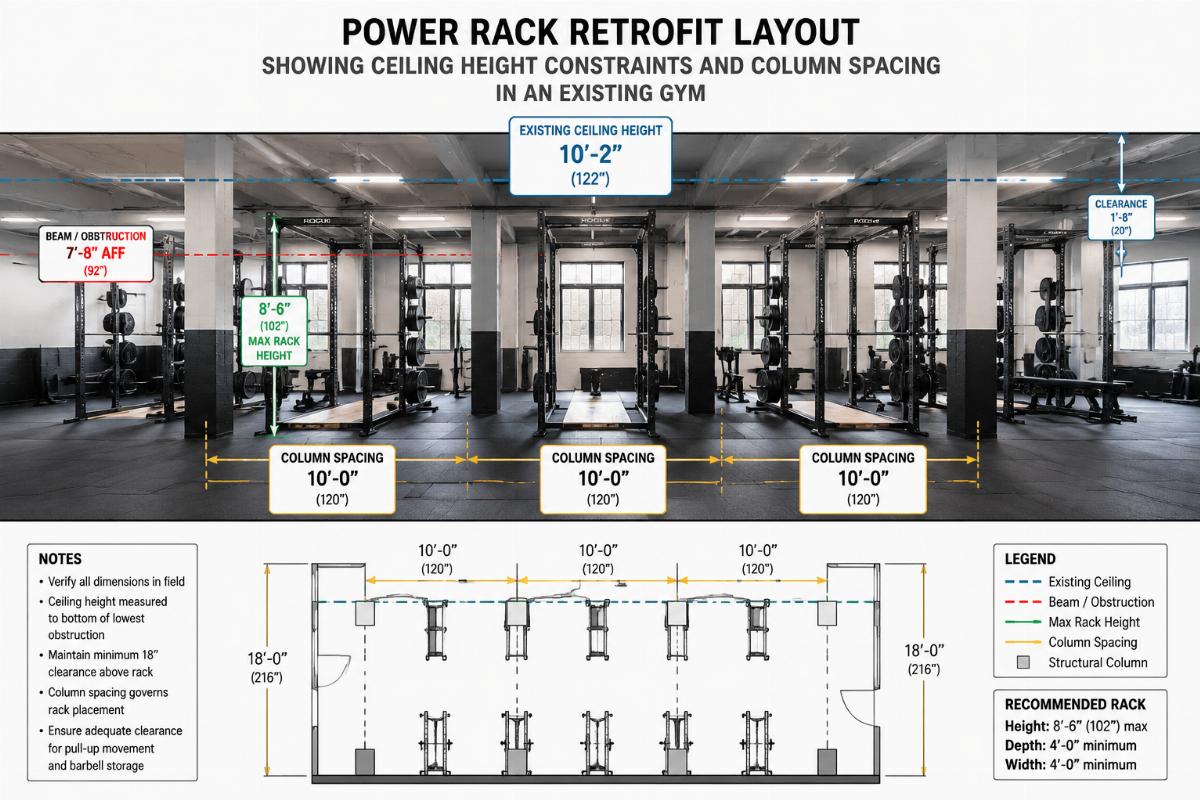
Layout optimization is about more than just fitting equipment into a room. It involves considering user flow, safety zones, and visual balance. In a physiotherapy clinic, vertical climbers should be placed away from high-traffic walkways to prevent accidents. They need sufficient clearance around them for users to mount and dismount safely, especially those with mobility limitations. [NEED_CITE: ergonomic spacing guidelines for fitness equipment in clinical settings]
For hotels, visibility matters. Placing vertical climbers near windows or in well-lit areas can make the fitness center feel larger and more inviting. The sleek profile of a vertical climber allows it to serve as a focal point without overwhelming the space. Grouping them with other compact cardio equipment creates a dedicated zone that feels organized and professional.
Accessibility is key. Ensure there is enough space for wheelchair access or assistance if needed. The height of the machine should allow easy entry for users of varying statures. Adjustable footplates and handgrips are essential features that accommodate a diverse user base, from elderly patients to athletic guests. A well-thought-out layout not only improves safety but also enhances the overall user experience, encouraging repeat usage.
Conclusion
Successful deployment of vertical climbers hinges on selecting commercial-grade durability and navigating complex logistics with precision.
Choosing the right vertical climber for commercial gym environments requires looking beyond the initial price tag. It demands a focus on structural integrity, silent operation, and regulatory compliance. By prioritizing CE-certified magnetic models and ensuring thorough customs documentation, facility managers can avoid costly delays and operational disruptions. Strategic placement further enhances the value, offering a low-impact, space-efficient solution that meets the diverse needs of patients and guests alike.