Commercial Dip Station for Sale – OEM Gym Equipment Supplier
Most buyers searching for HS code dip station Argentina land on the wrong tariff heading and pay 35% duty instead of 17%.
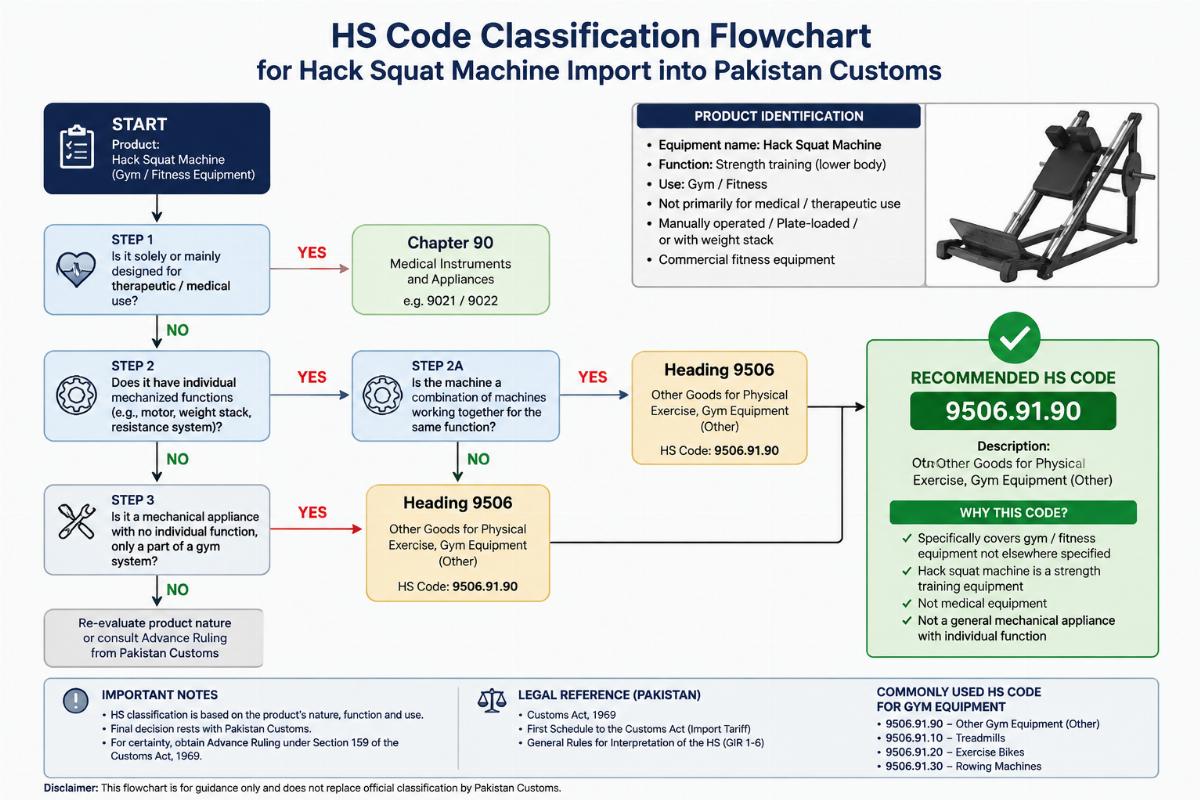
The correct HS code for importing a commercial dip station into Argentina is 9506.91 — the heading covering general physical exercise and gymnastics apparatus. Using 9403 (furniture) or 9506.99 (other sports equipment) triggers either misclassification fines or unnecessarily high ad valorem rates under Argentina’s NCM (Nomenclatura Común del Mercosur) system. [NEED_CITE: Argentina customs NCM classification for gym strength equipment under Mercosur common nomenclature]
I still remember the first time I watched a container of dip stations sit in Buenos Aires port for nearly two months — not because the product was defective, but because the importer’s broker had declared them under a structural steel heading. The buyer, a mid-sized gym chain owner from Córdoba, had sourced the equipment directly from a trade show booth without verifying the Argentine-side classification beforehand. By the time the paperwork was corrected, storage fees and demurrage had quietly eaten into the margin on the entire shipment. That kind of mistake doesn’t happen because buyers are careless; it happens because the Argentine import system layers SIRA licensing, statistical suffixes, and Mercosur regional codes on top of the standard six-digit HS framework, and most OEM suppliers outside the region never walk clients through the full picture.
If you are sourcing a commercial dip station for the Argentine market — whether for a single gym fit-out or a distributor container consolidation — the classification question is only the front door. What follows is a breakdown of how the tariff structure actually works, what documentation Argentine customs expects, and where OEM buyers routinely stumble before the cargo ever reaches the warehouse floor.
Why Does Argentina’s HS Classification for Gym Equipment Differ from Other LatAm Countries?
Argentina does not simply adopt the WCO six-digit HS code — it extends it through the Mercosur NCM system to eight digits, and then adds national statistical suffixes that change duty treatment. [NEED_CITE: Mercosur NCM nomenclature structure and Argentina national tariff extensions for fitness equipment]
This matters for a commercial dip station because the eight-digit NCM code 9506.91.00 covers "articles and equipment for general physical exercise," which includes assisted dip stations, weighted dip bars, and multi-grip dip rigs designed for commercial gym environments. However, if the product is shipped as part of a mixed container that also includes items classified under different headings — say, adjustable benches under 9506.91 and rubber flooring under 4016 — the customs broker must declare each line item separately with its own NCM code, statistical suffix, and applicable duty rate.
Here is where buyers from Brazil or Chile often get confused. Brazil also uses the NCM system, but its statistical suffixes and import duty rates for the same 9506.91 heading can differ from Argentina’s. Chile, outside Mercosur, uses its own national tariff schedule based on the six-digit HS code with different national extensions. A commercial dip station classified cleanly under 9506.91 in Argentina might face a completely different duty percentage and documentation requirement when the same shipment is routed to São Paulo or Santiago.
From a sourcing standpoint, this means your OEM supplier should be able to provide a product specification sheet that maps directly to the NCM description — not just a generic "gym equipment" label. Argentine customs reviewers have become increasingly strict about matching the physical product to the declared classification, especially for strength training apparatus where the line between "general exercise equipment" (9506.91) and "other sports equipment" (9506.99) can be ambiguous if the product description is vague. [NEED_CITE: Argentina customs classification disputes for strength training equipment descriptions]
What Are the Actual Import Duty Rates and Tax Layers for a Dip Station in Argentina?
The base MFN import duty for a commercial dip station under NCM 9506.91.00 in Argentina currently sits at a relatively moderate ad valorem rate, but the landed cost structure includes multiple additional tax layers that significantly increase the final price. [NEED_CITE: Argentina import duty rate schedule for NCM 9506.91 gym equipment]
The duty itself is only the starting point. On top of the base tariff, importers must account for:
- Value-Added Tax (IVA): Argentina applies a standard VAT rate on imported goods, calculated on the CIF value plus duty. This is not optional and is collected at the time of customs clearance.
- Statistics Tax: A small percentage levy applied to the CIF value, used to fund national trade data collection.
- Provincial Gross Income Tax (Ingresos Brutos): Depending on the destination province, an additional turnover tax may apply upon entry of the goods into that jurisdiction.
- SURA Surcharge: In certain periods, Argentina has applied temporary surcharges on specific import categories as part of broader trade balance management policies.
The cumulative effect is that a commercial dip station with a factory-direct FOB price that appears highly competitive can land at a substantially higher cost once all layers are applied. This is why experienced distributors in Argentina always request a landed cost simulation from their customs broker before confirming a purchase order — not just a duty rate quote.
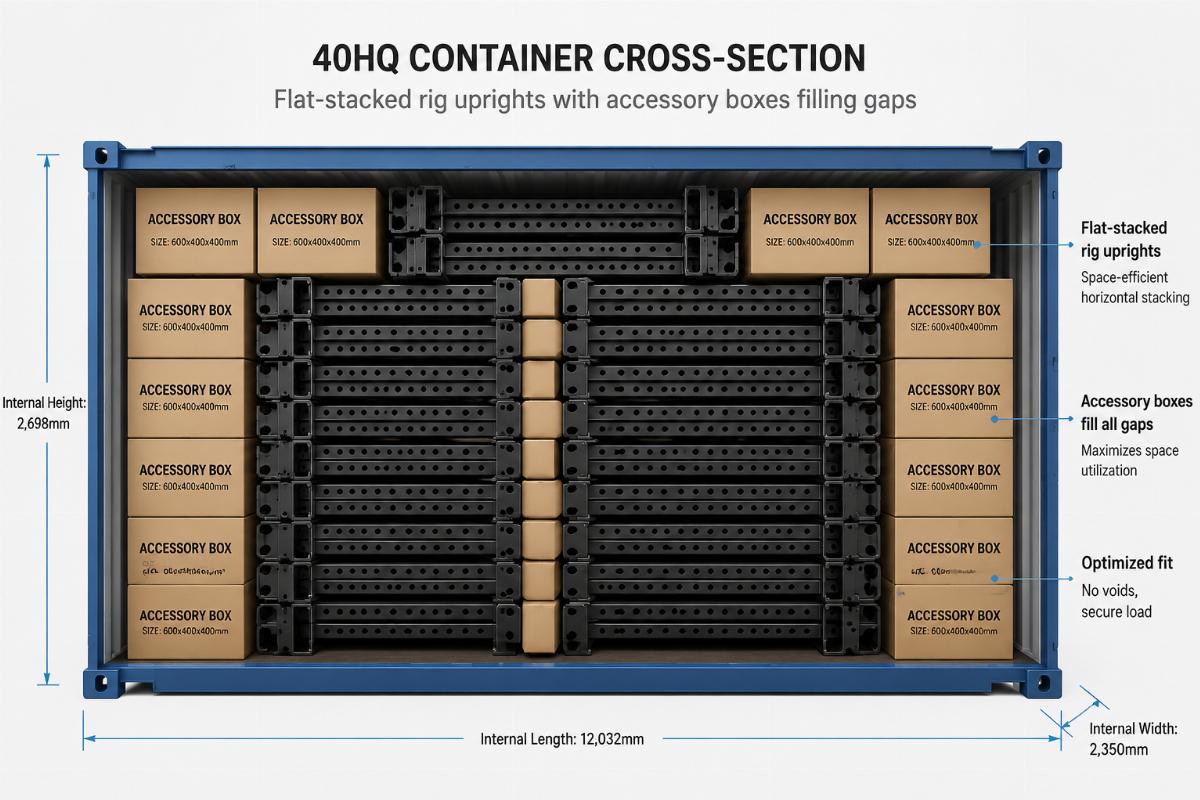
One pattern I have seen repeatedly: buyers compare the FOB price of a dip station from one supplier against another, without realizing that differences in product weight, packaging dimensions, and material composition can shift the customs valuation and therefore the total tax burden. A dip station with heavier steel framing and denser padding may cost more at the factory, but if it is packed more efficiently per container, the per-unit freight and insurance cost drops — and since Argentine customs calculates taxes on CIF value, the total tax exposure changes accordingly.
What Documentation Does Argentine Customs Require for Gym Equipment Imports?
Argentina’s SIRA (Sistema de Importaciones de la República Argentina) import licensing system requires pre-approval before the cargo ships, and the documentation package must be complete and internally consistent or the shipment will be held at port. [NEED_CITE: Argentina SIRA import licensing system requirements and documentation checklist]
For a commercial dip station, the core documentation set includes:
- Commercial Invoice: Must include detailed product descriptions matching the NCM codes, unit prices, total CIF value, and country of origin. Vague descriptions like "gym equipment" or "fitness accessories" will trigger queries from customs reviewers.
- Packing List: Must specify net weight, gross weight, dimensions, and package count per item. Mismatches between the packing list and the bill of lading are a common cause of delays.
- Bill of Lading: Must show the correct consignee, notify party, and shipment marks. The description on the B/L should align with the invoice and packing list.
- Certificate of Origin: Required if the buyer intends to claim any preferential tariff treatment under applicable trade agreements. For China-origin gym equipment, this is typically a standard CO issued by the relevant Chinese authority.
- Product Technical Specifications: Argentine customs may request technical drawings, material composition details, or product catalogs to verify that the declared NCM code matches the physical product. This is especially relevant for strength training equipment where classification boundaries can be unclear.
- Import License (SIRA Approval): The importer must obtain SIRA pre-approval before the cargo is shipped. This process involves submitting the documentation package to the Argentine authorities and receiving authorization to proceed with the import.
A South American distributor I worked with once received a full container of dip stations and cable crossovers, only to discover that the SIRA application had been filed under the wrong product category. The cargo sat at the port for an extended period while the licensing error was corrected, and the storage and demurrage charges significantly eroded the profit margin on the entire order. The lesson: SIRA compliance is not a post-shipment formality — it must be locked in before the container leaves the factory.
How Should OEM Buyers Prepare Product Specifications for Argentine Classification?
The product specification sheet you receive from your OEM supplier is not just a quality document — it is a customs classification tool that directly affects duty rates, licensing approval, and clearance speed in Argentina. [NEED_CITE: Best practices for OEM product specification sheets aligned with Mercosur NCM classification]
When sourcing a commercial dip station for the Argentine market, the specification sheet should include:
- Product Name and Description: Clear, specific terminology that maps to the NCM 9506.91 heading. Avoid generic terms like "metal frame" or "exercise device." Use language like "commercial-grade assisted dip station for physical exercise" or "multi-grip dip bar apparatus for gymnastics and strength training."
- Material Composition: Detailed breakdown of frame steel grade, padding foam density, upholstery material, and any surface treatment coatings. Argentine customs may use this information to verify that the product is correctly classified and not subject to additional anti-dumping or safeguard measures.
- Dimensions and Weight: Accurate net weight and packed dimensions per unit. This data feeds directly into the CIF valuation and freight cost calculations.
- Intended Use Statement: A brief description confirming that the product is designed for commercial gym environments and general physical exercise. This helps anchor the classification under 9506.91 rather than 9506.99 or other headings.
- Photographs or Technical Drawings: Visual documentation that allows customs reviewers to confirm the product matches the declared description without needing to physically inspect the cargo.
One mistake I have seen multiple times: suppliers provide specification sheets that are clearly translated from Chinese product catalogs, with awkward phrasing and terminology that does not align with international trade or customs classification norms. Argentine customs reviewers, who work in Spanish and reference the NCM in Spanish, may struggle to match the product to the correct code if the English description is unclear. A well-prepared OEM supplier will provide specification sheets that are not only technically accurate but also written in trade-ready language that facilitates smooth customs clearance.
What Are the Common Pitfalls When Importing Dip Stations into Argentina?
The most frequent problems Argentine importers face with dip station shipments are not product quality issues — they are classification errors, documentation gaps, and SIRA licensing delays that could have been prevented with proper pre-shipment planning. [NEED_CITE: Common customs clearance problems for gym equipment imports in Argentina]
Based on patterns observed across multiple shipments, the recurring pitfalls include:
- Misclassification Under the Wrong HS Heading: Declaring a dip station under 9403 (furniture) or 9506.99 (other sports equipment) instead of 9506.91 (general exercise equipment). This can result in either overpayment of duty or, worse, customs penalties for incorrect declaration.
- Incomplete SIRA Documentation: Submitting the SIRA application with missing or inconsistent information — for example, invoice values that do not match the packing list, or product descriptions that do not align with the technical specifications.
- Late SIRA Filing: Waiting until after the cargo has shipped to begin the SIRA approval process. Argentine customs requires SIRA pre-approval before the cargo arrives, and late filing can result in the cargo being held at port.
- Vague Product Descriptions: Using generic terms like "gym equipment" or "fitness accessories" on the commercial invoice and packing list. Argentine customs reviewers expect specific, detailed descriptions that match the NCM code.
- Failure to Provide Technical Specifications: Not including product specification sheets, material composition details, or photographs in the documentation package. This can trigger customs queries and delay clearance.
- Ignoring Provincial Tax Obligations: Failing to account for provincial gross income tax (Ingresos Brutos) that may apply when the cargo enters a specific jurisdiction within Argentina.
A buyer from a fitness equipment distribution company in Rosario once shared that their first dip station import into Argentina was delayed at the port for an extended period because the commercial invoice described the product simply as "metal exercise equipment." Argentine customs requested additional documentation to verify the classification, and the buyer had to scramble to obtain technical specifications and photographs from the OEM supplier. By the time the cargo was cleared, the storage and demurrage charges had significantly reduced the profit margin on the entire shipment.
The takeaway: Argentine customs clearance for gym equipment is not a process you can afford to figure out after the cargo ships. It requires pre-shipment coordination between the buyer, the OEM supplier, and the customs broker — with particular attention to classification accuracy, documentation completeness, and SIRA licensing timing.
Conclusion
Importing a commercial dip station into Argentina is less about finding the right product and more about navigating the classification, documentation, and licensing framework that governs how that product enters the country. The HS code 9506.91 under the Mercosur NCM system is the correct heading, but the real work lies in ensuring that your product specifications, commercial invoice, packing list, and SIRA application all align with that classification before the cargo leaves the factory. Duty rates, tax layers, and documentation requirements are all manageable — as long as they are addressed proactively rather than reactively.