01 / Scenario
STUDIO
P
High-End Pilates Studios
Premium aesthetics meet quiet operation for boutique studio environments.
ISO
9001
CE
Certified
OEM
Available
10YR
Warranty
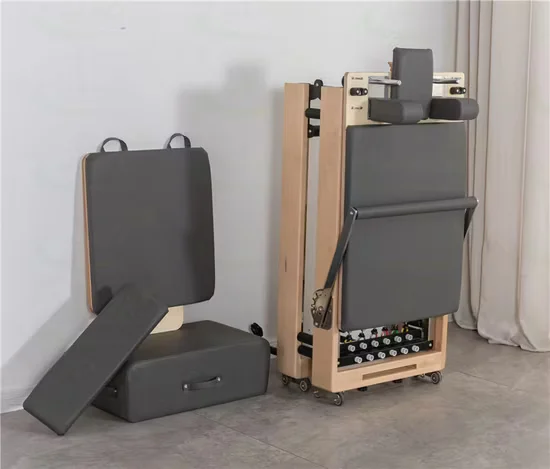
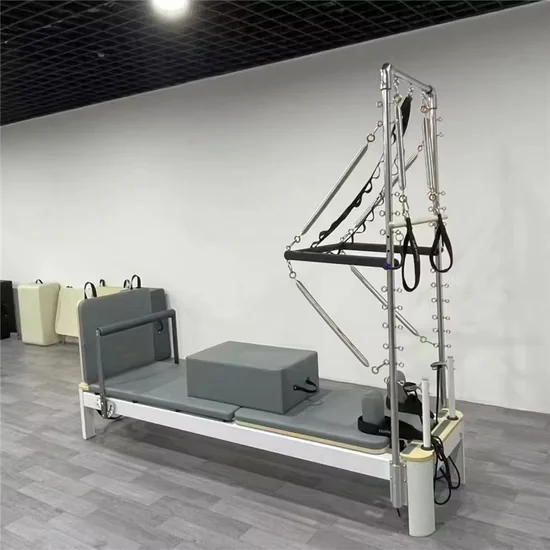
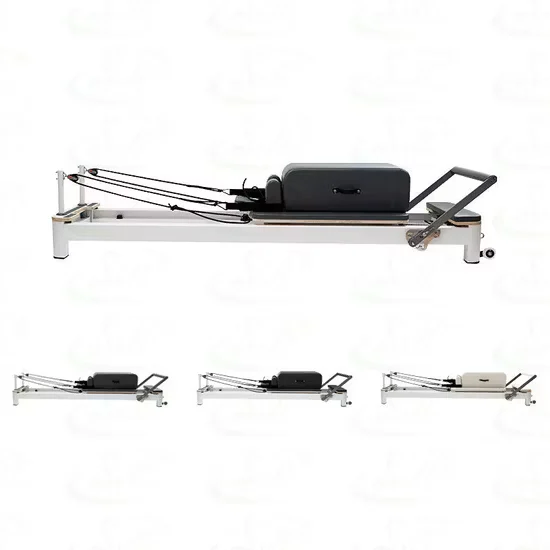
Pilates Reformer Bed, Aluminium Alloy Frame, 2570×730×270mm — engineered with corrosion-resistant aluminium construction and 90kg net weight for stable yet relocatable studio use. Includes modular Long Box, Jump Board, and Platform accessories with customizable logo and color options. Backed by a 3-year commercial warranty and 80-piece monthly production capacity for bulk studio outfitting.
// Spec Highlights
• Direct from Manufacturer · No Middlemen · Worldwide Shipping
01
// Material
Imported Solid Wood
Premium hardwood frames sourced for density and visual warmth.
02
// Hardware
Medical-Grade Silent
Whisper-quiet pulleys and springs for clinical environments.
03
// Customization
Appearance OEM
Color, upholstery, and branding tailored to your studio.
04
// Service
Layout Design
Free venue planning for studios and rehab institutions.
Every component is selected for longevity, performance, and aesthetic harmony - from imported hardwood frames to silent medical-grade accessories.
// Features
Traceable Aluminum Frames — Every extruded aluminum alloy rail on this reformer is sourced from certified mills, keeping structural specs verifiable from coil to studio floor.
| Parameter | Value |
|---|---|
| Product Type | Pilates Reformer Bed |
| Frame Material | Aluminium Alloy |
| Product Dimensions | 2570 × 730 × 270 mm |
| Net Weight | 90 kg |
| Color Options | White standard, custom colors available |
| Included Accessories | Long Box, Jump Board, Platform |
| Warranty | 3 Years |
| Target User | Adult, Unisex |
| Customization | Logo and color options available |
| Production Capacity | 80 Pieces per Month |
| Facility Type | Typical Use |
|---|---|
| Pilates studio | Group reformer classes and private sessions with modular accessory switching |
| Boutique fitness studio | Mixed-format circuits blending reformer work with mat and functional stations |
| Rehabilitation & physiotherapy center | Controlled loading protocols for post-injury and post-surgical clients |
| Hotel & resort wellness facility | Low-profile footprint accommodating varied guest fitness levels |
| Home pilates practice | Dedicated residential rooms requiring minimal maintenance and quiet carriage travel |
Corrosion resistance built into the material, not layered on top of it.
Carbon steel reformer frames rely on surface treatments — paint or powder coating — to block oxidation. Once a scratch breaches that coating, moisture and sweat reach bare steel, and rust spreads underneath the finish. Aluminum alloy forms its own oxide layer the moment it is cut or machined, meaning scratches do not trigger subsurface corrosion [NEED_CITE: aluminum alloy corrosion resistance in fitness equipment environments]. For studios running back-to-back classes where equipment is wiped with chemical disinfectants multiple times daily, the commercial aluminum alloy pilates reformer bed eliminates the slow degradation cycle that eventually forces frame replacement.
This commercial aluminum alloy pilates reformer bed anchors the core movement station in a studio layout, covering the sagittal and frontal planes through spring-resisted carriage travel. It pairs with a Cadillac or tower unit for vertical resistance work and a Wunda Chair for seated and standing balance drills, giving instructors a three-apparatus circuit that addresses every major movement pattern. Studios operating at high class density typically place reformers in rows of four to six units with instructor sight lines down the center aisle. The 730 mm width accommodates a broad user size range without demanding excessive lateral floor space.
Every carriage stroke subjects the rail and wheel interface to eccentric loading, with peak forces occurring at full extension where spring tension is highest. In a studio running six classes daily, each reformer endures thousands of往复 cycles per week, concentrating wear on the wheel contact patch and the inner rail surface [NEED_CITE: fatigue cycle classification for repetitive loading in studio equipment]. Sweat drips onto the rail during supine and prone exercises, introducing chloride-laden moisture directly to the sliding interface. The accessory attachment points — where the Long Box, Jump Board, and Platform lock into the frame — experience repeated shear loads as instructors swap components between classes, demanding fasteners and receiver slots that resist deformation over time.
The aluminum alloy frame is extruded to a specific cross-section that balances wall thickness against weight. A rail with insufficient wall rigidity will deflect slightly under a heavy user performing Jump Board plyometrics, creating a subtle bind that riders feel as resistance or chatter in the carriage travel. The 2570 mm overall length provides a carriage stroke that accommodates tall users without the bed extending past safe studio clearance boundaries. Wheel diameter and durometer must match the rail profile — too hard a wheel transmits vibration and noise, while too soft a compound flattens at the contact patch and develops flat spots under static parking loads. The powder-coated finish on contact zones must survive both wheel abrasion and the grip of locking clamps securing the Platform and Long Box.
A thin-wall aluminum extrusion saves material cost upfront but begins to deflect under heavy users, and the carriage develops lateral play within months of commercial use. Low-grade plastic wheels shed debris onto light-colored studio floors, leaving scuff marks that require daily cleaning [NEED_CITE: polymer wheel degradation under cyclic loading]. Accessories with non-standard mounting dimensions become orphaned parts once the original supplier discontinues them, forcing entire component replacement rather than simple part swaps. A reformer that weighs significantly less than 90 kg typically achieves that savings by reducing frame cross-section or substituting thinner carriage boards, both of which shorten the interval before structural refurbishment is required.
The 90 kg net weight reflects an aluminum frame with sufficient wall thickness to resist deflection without becoming immovable — instructors can reposition units for floor plan changes without mechanical assistance. The 2570 × 730 mm footprint reserves adequate clearance between adjacent reformers in a standard studio grid, leaving safe passage for instructors to cue and correct without stepping between moving carriages. Every unit undergoes load testing before dispatch, confirming that the rail, carriage, and spring assembly perform as a unified system under working conditions rather than relying on sample-based batch approval. The three-year warranty covers the frame, rail, and carriage against manufacturing defects under commercial frequency use. Customization runs through the same production line, so logo placement and color specifications receive identical quality control as standard white units.
Provide your studio floor dimensions and target class size to receive a 2D or 3D layout placing this commercial aluminum alloy pilates reformer bed within safe spacing guidelines. Specify expected daily class frequency so we can confirm that the spring assembly and rail specification match your usage intensity. Note any custom color or logo requirements to verify production slot availability within our monthly capacity.
Q: What structural differences separate aluminum alloy reformer frames from carbon steel ones?
A: Aluminum alloy forms a self-healing oxide layer that prevents corrosion from spreading beneath the surface, while carbon steel depends on intact coatings to block rust. Once a steel frame’s powder coat chips at a contact point, moisture reaches bare metal and oxidation accelerates. Aluminum also weighs less per unit volume, which helps when instructors need to reposition beds for different class formats.
Q: How can a studio operator assess rail and carriage durability before purchasing?
A: Request the wheel material specification and the rail hardness rating. Polyurethane wheels with sealed bearings maintain smooth travel longer than unsealed plastic alternatives. Ask for a cycle test report showing carriage travel repetitions under load, and confirm that replacement wheels and bearings are stocked as standard spare parts rather than custom-fabricated components.
Q: What are the recommended spacing standards for commercial Pilates reformer placement?
A: Allow at least 600 mm between reformer edges laterally and 900 mm at the head and foot ends for instructor movement. The 2570 mm bed length plus spring extension at full carriage travel determines total operational length. Factor in additional clearance if Jump Board exercises are part of your class programming, as users require unobstructed space behind the foot end.
Q: Are the Long Box and Jump Board interchangeable with other reformer brands?
A: Accessory mounting dimensions vary across manufacturers, and cross-brand compatibility cannot be assumed. This reformer’s Long Box, Jump Board, and Platform are engineered for its specific receiver slots and locking mechanisms. Replacement accessories ordered through the original production line guarantee correct fit and maintain the warranty coverage on attachment points.
Premium aesthetics meet quiet operation for boutique studio environments.
Medical-grade silence and precision for sports & postpartum recovery.
Furniture-grade craftsmanship for premium residential installations.
Compact premium setups for one-on-one and small-group training.
Aesthetic Pilates integration for hybrid wellness studio programming.
Multi-unit deployment with instructor-grade reliability for certification programs.
Tell us about your project. Our team will respond within 24 hours with pricing, customization options, and shipping details.
// Sales Director
William
+86 132 2531 1800
// Export Manager
Bella
+86 198 5412 8032
william@bickfit.com