01 / Scenario
STUDIO
P
High-End Pilates Studios
Premium aesthetics meet quiet operation for boutique studio environments.

ISO
9001
CE
Certified
OEM
Available
10YR
Warranty
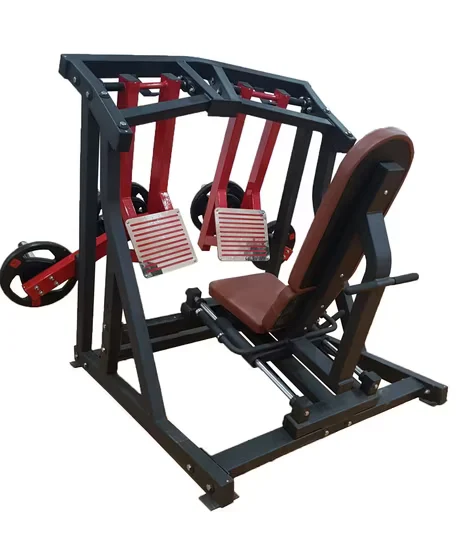
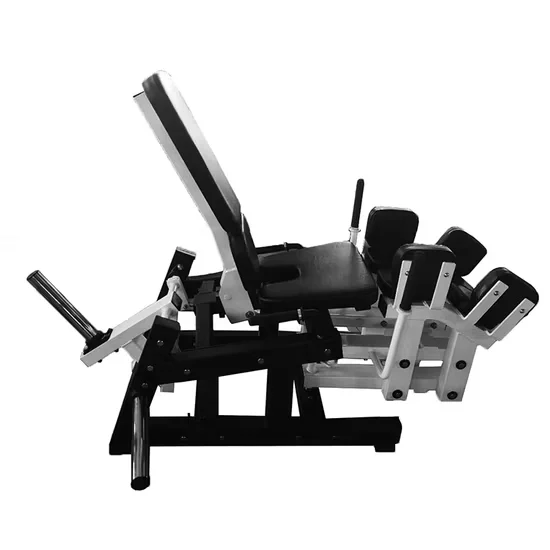
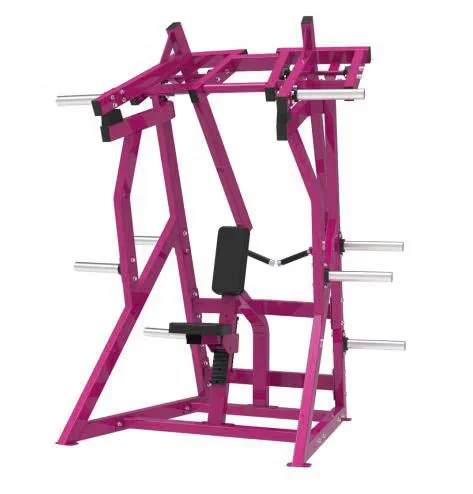
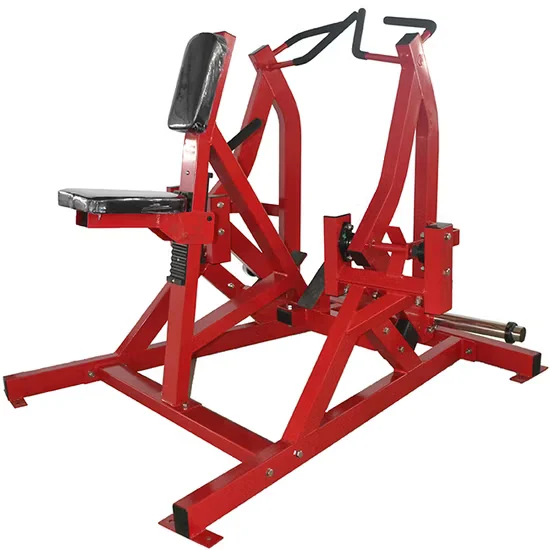
Commercial Squat Rack, 1830×1200×1876mm, 98kg Net Weight — plate-loaded design built for professional gym strength zones. Frame constructed from industrial-grade steel with ISO9001 and CE certification, available in OEM/ODM configurations. Every unit undergoes load testing before shipment, backed by 10-year frame warranty and floor planning support.
// Spec Highlights
• Direct from Manufacturer · No Middlemen · Worldwide Shipping
01
// Material
Imported Solid Wood
Premium hardwood frames sourced for density and visual warmth.
02
// Hardware
Medical-Grade Silent
Whisper-quiet pulleys and springs for clinical environments.
03
// Customization
Appearance OEM
Color, upholstery, and branding tailored to your studio.
04
// Service
Layout Design
Free venue planning for studios and rehab institutions.
Every component is selected for longevity, performance, and aesthetic harmony - from imported hardwood frames to silent medical-grade accessories.
// Features
11-Gauge Frame Traceability — Every Commercial Squat Rack frame uses mill-certified Q235 steel with coil-level traceability, ensuring consistent deformation resistance under repeated heavy loading.
| Parameter | Value |
|---|---|
| Product Type | Squat Rack |
| Steel Grade | Q235 industrial steel, mill-certified |
| Welding Type | Robotic MIG, continuous weld seams |
| Loading Type | Plate loaded |
| Product Dimensions | 1830 × 1200 × 1876 mm |
| Net Weight | 98 kg |
| Powder Coating | 200μm scratch-resistant industrial finish |
| Certification | ISO 9001, CE |
| Assembly State | Unfolded |
| Power Source | Manual |
| OEM/ODM | Available |
| Facility Type | Typical Use |
|---|---|
| Commercial gym strength floor | Primary barbell squat station for high-traffic peak hours |
| University strength and conditioning room | Collegiate athlete squat and overhead press training |
| Hotel and resort fitness center | Guest-accessible free weight compound movement station |
| Rehabilitation and performance center | Controlled barbell loading for progressive strength protocols |
Many squat racks are marketed as commercial grade without disclosing frame steel gauge or tube dimensions, leaving buyers unable to assess whether the structure will resist deformation over years of heavy squatting. This commercial squat rack specifies 11-gauge Q235 steel with mill certification traceable to the original coil. When steel specifications are omitted, operators cannot verify deformation thresholds — a rack that appears rigid during a showroom demo may develop measurable frame flex after months of 200kg+ daily loading. Structural integrity in a commercial squat rack depends on verifiable material data, not marketing language. [NEED_CITE: structural steel gauge standards and load-bearing capacity in fitness equipment]
This commercial squat rack anchors the free weight compound movement zone, covering the primary sagittal plane for back squats, front squats, and overhead presses. It pairs directly with plate storage solutions and bench stations to create a dense, efficient strength circuit. The 1830 × 1200 mm footprint accommodates a wide range of user stances and spotter positioning. Facilities running high-density programming benefit from its plate-loaded simplicity and structural predictability across varied athlete body sizes.
A commercial squat rack endures static compressive loads during heavy squats, impact forces from barbell re-racking, and eccentric loading when lifters descend unevenly. Over thousands of daily cycles, these combined stresses concentrate at J-cup contact points, upright-to-base junctions, and crossmember connections. Continuous robotic MIG welding distributes stress along the full seam rather than concentrating it at discrete spot welds. The 200μm powder coating resists chipping at high-contact areas where barbells and plates repeatedly strike the frame. [NEED_CITE: weld classification and fatigue performance in structural steel]
Frame steel gauge and tube cross-section jointly determine the deformation threshold — thicker gauge steel in a larger cross-section resists bending under compressive and torsional loads. Robotic MIG continuous welding eliminates the cold joints and incomplete fusion defects common in manual spot welding, directly extending fatigue life under cyclic loading. The 200μm industrial powder coating, applied after sandblast surface preparation, provides a barrier against sweat, chalk, and cleaning chemicals that accelerate corrosion on thinner finishes. Plate-loaded simplicity means no cables, pulleys, or weight stacks to maintain — the structural system is the entire mechanical system.
Thin-wall tubing deforms visibly under repeated heavy loading, creating unsafe lean angles and misaligned J-cups that compromise barbell stability. Spot welds that pass visual inspection can crack under cyclic fatigue, creating sudden structural failure with significant liability exposure. Inadequate powder coating chips at contact points, exposing bare steel to sweat-induced corrosion that spreads beneath the surrounding finish. Non-standard hardware dimensions make replacement parts unavailable once the original supplier discontinues the model, forcing full frame replacement instead of component repair. [NEED_CITE: corrosion mechanisms in powder-coated structural steel under gym environmental conditions]
Every unit undergoes individual load testing before shipment — not sample-based batch testing — confirming structural performance at rated capacity. The 11-gauge Q235 steel frame carries mill certification traceable to the production coil, providing verifiable material documentation. Robotic MIG continuous welding ensures consistent seam quality across every frame, eliminating manual welder variability. The 200μm industrial powder coating withstands commercial cleaning protocols and high-frequency contact wear. A 10-year frame warranty covers structural integrity for the full expected equipment lifecycle. 2D-3D CAD floor planning support ensures this commercial squat rack integrates with proper safety clearances and traffic flow in your specific facility layout. OEM and private label options allow brand customization for chain operators and distributors.
Provide your strength zone floor area and target equipment list to receive 2D-3D CAD layout planning with optimized spacing and safety clearances. Specify your average daily user volume so we can confirm this commercial squat rack matches your facility’s structural demand tier. Indicate any OEM requirements including custom frame colors, facility branding, or upholstery specifications for integrated accessory options.
Q: How can I verify that a squat rack frame will resist deformation under heavy commercial use?
A: Request mill-certified steel documentation showing specific gauge thickness and tube dimensions. A commercial squat rack built with 11-gauge steel in a properly sized cross-section provides verifiable deformation resistance. Compare the specified gauge and tube size against your expected maximum barbell loads to confirm the frame meets your facility’s structural requirements.
Q: What welding method ensures long-term structural integrity in a commercial squat rack?
A: Continuous robotic MIG welding creates full-penetration seams along the entire joint length, distributing cyclic stress evenly. Spot welding concentrates stress at discrete points and develops fatigue cracks under repeated heavy loading. Inspect weld seams for uniform bead appearance without visible gaps, cold joints, or incomplete fusion defects that compromise long-term durability.
Q: What safety clearances are needed around a commercial squat rack installation?
A: Maintain minimum 900mm clearance on all sides to accommodate barbell loading, plate changes, and spotter positioning. The 1830 × 1200 mm footprint of this commercial squat rack requires additional space for users to move safely during heavy lifts. Proper spacing prevents traffic conflicts and ensures emergency access in high-traffic commercial gym environments.
Q: How does powder coating thickness affect equipment lifespan in commercial settings?
A: A 200μm industrial powder coating applied after sandblast surface preparation provides superior resistance to chipping, sweat corrosion, and cleaning chemical exposure. Thinner coatings chip at high-contact points like J-cups and barbell rest areas, exposing bare steel to rapid corrosion. Verify coating thickness specifications and surface preparation methods before purchase to ensure long-term appearance and structural protection.
Q: What load testing protocol confirms each squat rack meets commercial demands?
A: Every unit should undergo individual load testing before shipment, not sample-based batch testing. Request documentation showing specific test loads and pass criteria for your commercial squat rack. Individual testing confirms structural performance at rated capacity and identifies any manufacturing defects before the equipment reaches your facility floor.
Premium aesthetics meet quiet operation for boutique studio environments.
Medical-grade silence and precision for sports & postpartum recovery.
Furniture-grade craftsmanship for premium residential installations.
Compact premium setups for one-on-one and small-group training.
Aesthetic Pilates integration for hybrid wellness studio programming.
Multi-unit deployment with instructor-grade reliability for certification programs.
Tell us about your project. Our team will respond within 24 hours with pricing, customization options, and shipping details.
// Sales Director
William
+86 132 2531 1800
// Export Manager
Bella
+86 198 5412 8032
william@bickfit.com