01 / Scenario
STUDIO
P
High-End Pilates Studios
Premium aesthetics meet quiet operation for boutique studio environments.

ISO
9001
CE
Certified
OEM
Available
10YR
Warranty
// Spec Highlights
• Direct from Manufacturer · No Middlemen · Worldwide Shipping
01
// Material
Imported Solid Wood
Premium hardwood frames sourced for density and visual warmth.
02
// Hardware
Medical-Grade Silent
Whisper-quiet pulleys and springs for clinical environments.
03
// Customization
Appearance OEM
Color, upholstery, and branding tailored to your studio.
04
// Service
Layout Design
Free venue planning for studios and rehab institutions.
Every component is selected for longevity, performance, and aesthetic harmony - from imported hardwood frames to silent medical-grade accessories.
// Features
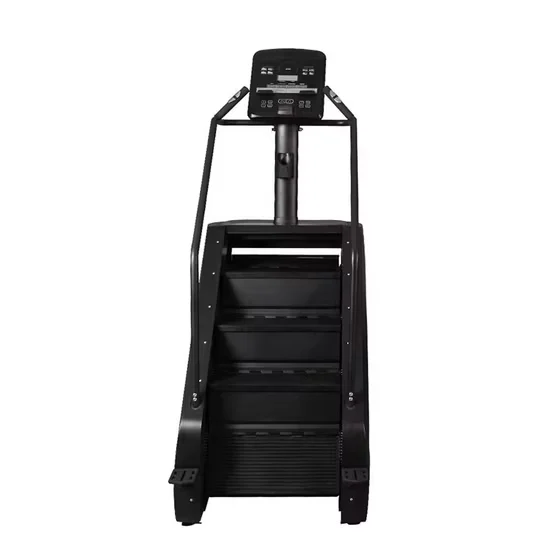
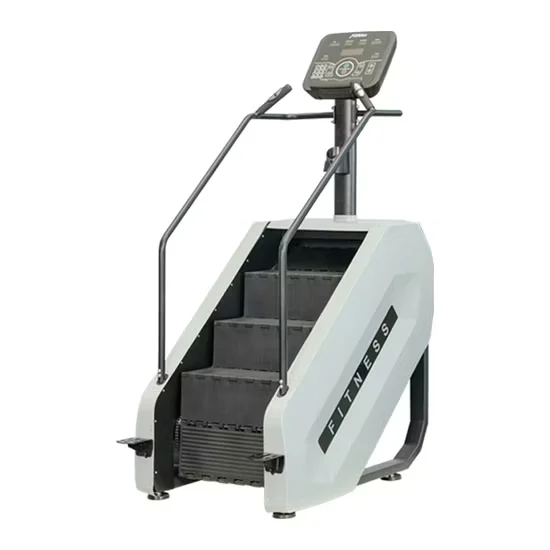
Motor-Driven Precision — The stepping mechanism on this commercial stair climber machine maintains consistent cadence across 15 to 164 steps per minute, validated through continuous load cycling at full operational velocity.
| Parameter | Value |
|---|---|
| Designation | SQ1017 |
| Product Type | Commercial Stair Climber |
| Product Dimensions | 1450 × 820 × 2080 mm |
| Net Weight | 148 kg |
| Step Area | 560 × 235 × 220 mm |
| Type of Drive | Motor Drive |
| Running Velocity | 15 – 164 steps/min |
| Mains Input | AC220V±10% / AC110V±10% |
| OSD Display | Time, Climb, Calories, Steps, Heart Rate |
| Material | Steel Pipe + PP Plastic |
| Color | Black |
| Certification | CE |
| Facility Type | Typical Use |
|---|---|
| Commercial Gym Cardio Zone | Primary calorie-burn station for high-traffic daily use |
| Hotel & Resort Fitness Center | Compact footprint cardio option for limited floor space |
| University Athletic Facility | Pre-season conditioning and aerobic capacity testing |
Non-sealed bearing housings allow gym floor dust to infiltrate the pulley path, producing measurable play within six months of sustained use.
On a commercial stair climber machine, the stepping mechanism cycles thousands of revolutions daily. When bearings lack proper sealing, particulate contamination from rubber flooring and shoe debris accumulates inside the bearing race. The result is progressive radial play that translates directly into lateral step wobble — users feel instability at higher cadences, and maintenance teams face premature bearing replacement cycles. This is not a wear issue; it is a sealing specification issue from the factory floor. [NEED_CITE: bearing seal classification and contamination ingress in fitness equipment]
This commercial stair climber machine occupies the vertical climbing movement plane, targeting lower-body endurance through continuous step propulsion. It complements horizontal cardio units such as treadmills and rowers by introducing a gravity-resisted climbing pattern that engages gluteal and quadriceps muscle groups under sustained load. The 148 kg net weight anchors the unit firmly during high-intensity sessions, preventing micro-shifts on rubber flooring. The motor-driven system suits facilities operating 8+ hours daily where self-powered alternatives cannot maintain consistent resistance at lower cadences.
A commercial stair climber machine endures a distinct loading profile: repetitive eccentric force application at each step contact, combined with continuous rotational torque through the drive chain and bearing assemblies. Unlike plate-loaded equipment where loads are static between reps, the stepping mechanism experiences dynamic cycling that concentrates fatigue at weld junctions where the frame meets the motor mount bracket. Bearing housings absorb both radial load from the step chain tension and axial thrust from lateral foot placement variance. The powder coating at handgrip contact zones faces constant exposure to sweat and alkaline cleaning agents, requiring adequate film thickness to prevent substrate exposure. [NEED_CITE: fatigue analysis of welded steel structures under cyclic loading]
The steel pipe frame on this unit provides the primary structural skeleton supporting all dynamic loads during operation. Frame tube wall thickness and cross-sectional dimensions determine the deflection threshold — thinner walls permit measurable flex under heavier users at higher stepping velocities, creating a perception of instability even when the unit remains structurally sound. The motor drive system replaces the self-powered flywheel approach, delivering consistent step cadence regardless of user weight or effort level; this shifts the thermal management burden to the motor housing, where adequate ventilation prevents winding insulation degradation during extended daily operation. The 560 × 235 × 220 mm step area defines the contact surface for foot placement, where PP plastic inserts resist abrasion from athletic shoe soles while maintaining low friction against the stepping chain. Bearing type selection directly determines service intervals — sealed cartridge bearings exclude contaminants but require full replacement when worn, while open bearings permit cleaning and re-lubrication at the cost of more frequent maintenance attention.
Frame tubing specified only as "commercial grade" without verifiable wall thickness invites progressive deformation under heavier users operating at maximum cadence — the flex is subtle initially but compounds over thousands of daily cycles. Spot-welded joints at high-stress junctions pass visual inspection at the factory but develop micro-cracks under repetitive torsional loading, eventually requiring structural reinforcement or full frame replacement. Non-sealed bearings that develop play within months create a cascading maintenance burden: wobbly steps accelerate wear on adjacent components, increasing downtime and parts expenditure. Thin powder coating that chips at contact points exposes bare steel to sweat corrosion, leading to surface rust that spreads beneath adjacent coating and compromises long-term appearance.
Every commercial stair climber machine shipped undergoes individual load testing before dispatch, confirming that the motor drive and stepping mechanism operate within specification under simulated operational conditions. The steel pipe frame uses mill-certified material traceable to the original coil, providing documentation that frame specifications match actual construction. Robotic MIG welding produces continuous weld seams at all structural junctions, eliminating the spot-weld weak points that characterize cost-reduced alternatives. Industrial powder coating applied at 200μm thickness resists chipping at handgrip and console contact points where daily abrasion is highest. The 1450 × 820 mm footprint allows precise 2D-3D CAD floor planning to ensure adequate clearance between this unit and adjacent equipment, preventing unsafe traffic patterns in the cardio zone.
Provide your cardio zone dimensions and current equipment list to receive a 2D-3D layout showing how this commercial stair climber machine integrates with existing stations and traffic flow. Specify your average daily user count so the structural grade recommendation matches actual usage intensity rather than catalog assumptions. Indicate any custom requirements for color, facility branding, or console configuration to confirm availability within the production schedule.
Q: How does motor drive differ from self-powered operation on a commercial stair climber machine?
A: Motor drive maintains consistent step cadence regardless of user weight or effort, delivering the set velocity between 15 and 164 steps per minute through direct electrical control. Self-powered models rely on user effort to drive the stepping mechanism, which creates variable resistance that decreases at lower cadences. Motor-driven units suit facilities requiring predictable calorie-burn metrics and consistent training intensity across users of different fitness levels.
Q: What frame characteristics determine long-term structural stability on climbing equipment?
A: Steel pipe wall thickness and cross-sectional dimensions define the deflection threshold under dynamic loading. Thicker walls resist flex during high-cadence stepping by heavier users, maintaining perceived stability throughout the equipment service life. Continuous robotic welding at frame junctions prevents the fatigue cracking associated with spot-welded alternatives under repetitive torsional stress from the stepping mechanism.
Q: How often do bearings require attention on a motor-driven stair climber?
A: Sealed bearing housings exclude gym floor dust and debris, extending service intervals significantly compared to open designs. Facilities should inspect bearing housings quarterly for noise or play indicating contamination. When sealed bearings eventually wear beyond acceptable tolerance, full cartridge replacement restores original specification without requiring partial disassembly of the stepping mechanism.
Q: What powder coating thickness protects against sweat corrosion at contact points?
A: Industrial powder coating applied at 200μm thickness provides adequate film build to resist chipping at handgrip zones and console edges where daily abrasion occurs. Thinner coatings expose bare steel within months of commercial use, allowing sweat and cleaning agents to initiate substrate corrosion that spreads beneath adjacent coating. Proper surface preparation before coating application ensures adhesion that maintains appearance through years of facility operation.
Premium aesthetics meet quiet operation for boutique studio environments.
Medical-grade silence and precision for sports & postpartum recovery.
Furniture-grade craftsmanship for premium residential installations.
Compact premium setups for one-on-one and small-group training.
Aesthetic Pilates integration for hybrid wellness studio programming.
Multi-unit deployment with instructor-grade reliability for certification programs.
Tell us about your project. Our team will respond within 24 hours with pricing, customization options, and shipping details.
// Sales Director
William
+86 132 2531 1800
// Export Manager
Bella
+86 198 5412 8032
william@bickfit.com