01 / Scenario
STUDIO
P
High-End Pilates Studios
Premium aesthetics meet quiet operation for boutique studio environments.
ISO
9001
CE
Certified
OEM
Available
10YR
Warranty
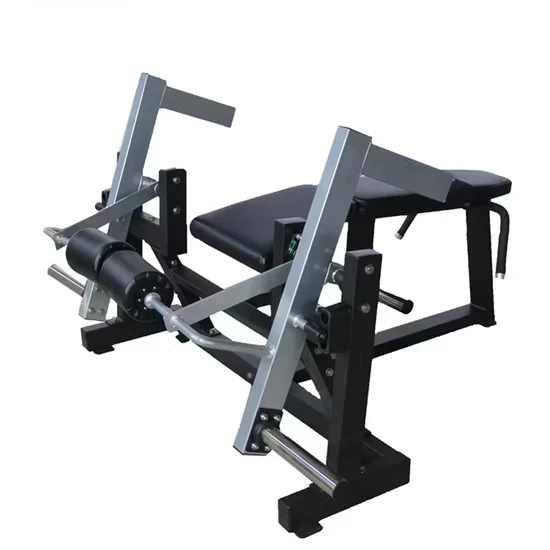
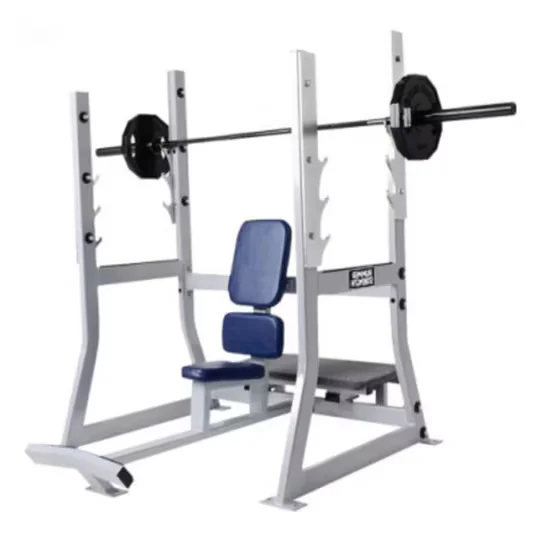
Plate Loaded Shoulder Press Machine OS-H5053, 1763×1210×1669mm, 88kg Net Weight — engineered with steel frame construction and plate loaded system for high-traffic commercial environments. Sealed bearings ensure smooth movement patterns while industrial-grade powder coating resists chipping at contact points. Every unit undergoes individual load testing before shipment to verify structural integrity under commercial use conditions.
// Spec Highlights
• Direct from Manufacturer · No Middlemen · Worldwide Shipping
01
// Material
Imported Solid Wood
Premium hardwood frames sourced for density and visual warmth.
02
// Hardware
Medical-Grade Silent
Whisper-quiet pulleys and springs for clinical environments.
03
// Customization
Appearance OEM
Color, upholstery, and branding tailored to your studio.
04
// Service
Layout Design
Free venue planning for studios and rehab institutions.
Every component is selected for longevity, performance, and aesthetic harmony - from imported hardwood frames to silent medical-grade accessories.
// Features
11-Gauge Traceable Steel — Every OS-H5053 frame tube is sourced with mill certification traceable to the steel coil, eliminating vague "commercial grade" claims.
| Parameter | Value |
|---|---|
| Designation | OS-H5053 |
| Product Type | Plate Loaded Shoulder Press Machine |
| Frame Material | Steel |
| Loading Type | Plate loaded |
| Exercise Target | Shoulder |
| Product Dimensions | 1763×1210×1669mm |
| Net Weight | 88kg |
| Frame Finish | Powder coating, color options available |
| Upholstery | Color options available per customer requirements |
| Certification | ISO 9001, CE |
| OEM/ODM | Acceptable |
| Facility Type | Typical Use |
|---|---|
| Commercial gym strength floor | Primary shoulder pressing station in plate-loaded row |
| Hotel fitness center | Durable shoulder press for moderate-traffic environments |
| University strength and conditioning room | Athletic shoulder development for sports programs |
| Community fitness center | Accessible plate-loaded pressing for general membership |
A shoulder press machine lives or dies by what happens at the weld joints under repeated eccentric loading.
We have seen equipment labeled "commercial grade" arrive on gym floors with frame tubes that flex visibly once users start hanging multiple plates on the horns. The problem rarely starts with the steel itself — it starts at the joints. Spot-welded connections pass a visual inspection but develop micro-cracks within the first year of heavy use. When a lifter racks the weight unevenly or drops into the bottom position with momentum, those concentrated stress points become failure origins. The commercial plate loaded shoulder press machine addresses this by specifying frame construction with continuous MIG weld lines rather than intermittent tack welds, distributing stress across a broader area of the joint. [NEED_CITE: weld classification and fatigue performance in structural steel]
The OS-H5053 targets the anterior and medial deltoids through a fixed vertical pressing arc, with secondary recruitment of the upper trapezius and triceps. In a plate-loaded strength row, this unit sits naturally alongside a plate-loaded chest press and lat machine, covering the primary upper-body push and pull planes. High-traffic commercial floors benefit from its compact footprint — the 1763×1210mm base occupies less space than a free-weight shoulder station while handling equivalent loading. The fixed movement path accommodates users across a broad range of body sizes without requiring technique coaching, making it suitable for facilities where supervised instruction is limited. This commercial plate loaded shoulder press machine fills the gap between overhead barbell work and cable-based pressing options.
Shoulder pressing generates a specific stress profile: moderate static load at lockout, sharp impact loading when plates contact the frame stops during controlled negatives, and eccentric stress as users resist the weight through the lowering phase. In a facility running twelve to fourteen hours daily, a single station might see hundreds of press cycles. Each cycle transmits force from the loading horns through the pivot arms into the main upright welds. The pivot bearings endure rotational wear compounded by chalk dust and humidity typical of strength floors. Upholstery compression at the back pad concentrates where the user’s upper back meets the frame during heavy sets, and the grip surfaces accumulate sweat and cleaning chemical exposure. [NEED_CITE: EN 957 structural requirements for stationary training equipment] Powder coating at contact edges faces abrasion from plate loading and unloading.
Steel gauge and tube cross-section define how much load a frame can absorb before visible deflection occurs. An 11-gauge tube wall provides a meaningful thickness advantage over lighter gauges, pushing the deformation threshold well beyond what typical gym users will generate. Continuous robotic MIG welding produces uniform penetration along the entire weld seam, whereas manual spot welding creates alternating strong and weak zones that fatigue unevenly. Industrial sealed bearings at the pivot points prevent chalk dust and moisture from entering the race, maintaining smooth rotation over extended service intervals. A 200μm powder coat applied over sandblasted steel creates a surface that resists chipping at plate contact points and withstands daily cleaning with commercial disinfectants. The net weight of 88kg reflects a frame substantial enough to remain stable during aggressive loading without requiring floor anchoring in most installations.
Choosing thinner frame tubing to cut unit cost creates a predictable downstream expense: once the tube begins deflecting under routine loads, the pivot geometry shifts, accelerating bearing wear and altering the pressing arc. Spot-weld failures on shoulder press frames often present as sudden joint separation rather than gradual degradation, creating liability exposure for facility operators. Non-sealed bushings at the arm pivot require lubrication schedules that most gyms cannot maintain, leading to squeaking, binding, and eventual replacement. Low-density upholstery foam compresses permanently within months on high-use stations, forcing reupholstery costs that exceed the initial savings. Thin powder coatings that chip at the loading horns expose bare steel to sweat corrosion, producing rust stains that signal neglect to members. [NEED_CITE: powder coating thickness and corrosion resistance in fitness equipment]
The OS-H5053 frame uses 11-gauge steel with mill certification traceable back to the originating coil, so operators can verify material specifications rather than accepting vague claims. Robotic MIG welding produces continuous weld lines at every structural joint, eliminating the weak points inherent in spot-welded assemblies. Every unit undergoes load testing before shipment — not sample-based batch testing, but individual verification. The 200μm industrial powder coating over sandblast preparation provides surface protection rated for years of commercial contact and cleaning. A 10-year frame warranty backs the structural package. For facility planning, the 1763×1210mm footprint allows precise spacing calculations with adequate clearance for plate loading on both sides, and 2D-3D CAD layout support ensures the station integrates cleanly into the strength zone without dead space or unsafe traffic conflicts. OEM customization covers frame color and upholstery selection to match facility branding.
Provide your strength zone square footage and equipment list to receive a 2D-3D layout showing the OS-H5053 positioned with correct safety clearances and plate-loading access. Specify expected daily user volume so we can confirm the structural grade matches your traffic profile. Share your target member demographics — particularly body size range — to verify seat and pad geometry will accommodate your population comfortably. Communicate any customization requirements including frame color, upholstery material, and logo placement for OEM branding alignment.
Q: How do I distinguish genuine commercial-grade equipment from light-commercial versions?
A: Request the specific steel gauge and tube dimensions rather than accepting generic "commercial grade" labels. Ask for weld type documentation — continuous MIG welding indicates structural intent, while spot welding suggests lighter-duty construction. Verify whether load testing is performed on every unit or only on samples. True commercial equipment carries warranties measured in years, not months, and the manufacturer can provide material traceability documentation upon request.
Q: What is the relationship between steel gauge and load capacity on a plate-loaded press?
A: Lower gauge numbers indicate thicker steel walls, which resist deformation under heavier loads. On a plate loaded shoulder press machine, the frame must handle not just the static weight of loaded plates but also dynamic forces from eccentric lowering and uneven loading. Thicker gauge steel maintains structural geometry over thousands of press cycles, preventing the pivot arm alignment shifts that degrade movement quality and accelerate component wear.
Q: Should I choose plate-loaded or selectorized equipment for my shoulder press station?
A: Plate-loaded units appeal to experienced lifters who prefer incremental loading and the tactile feedback of adding physical plates. They require less maintenance than selectorized machines since there are no weight stack guide rods, cables, or selector pins to service. Selectorized stations serve high-turnover environments where users change weight frequently and quickly. The decision often depends on your member profile and how much floor space you can allocate to each loading type.
Q: What spacing standards should I follow between plate-loaded stations?
A: Adequate clearance depends on the loading mechanism — plate-loaded stations need room on both sides for users to add and remove plates safely without obstructing adjacent equipment traffic. The OS-H5053 footprint dimensions allow precise spacing calculations. Provide your floor plan for CAD layout support that accounts for loading zones, user movement paths, and emergency access between stations, ensuring no unusable gaps or unsafe pinch points remain in the strength area.
Premium aesthetics meet quiet operation for boutique studio environments.
Medical-grade silence and precision for sports & postpartum recovery.
Furniture-grade craftsmanship for premium residential installations.
Compact premium setups for one-on-one and small-group training.
Aesthetic Pilates integration for hybrid wellness studio programming.
Multi-unit deployment with instructor-grade reliability for certification programs.
Tell us about your project. Our team will respond within 24 hours with pricing, customization options, and shipping details.
// Sales Director
William
+86 132 2531 1800
// Export Manager
Bella
+86 198 5412 8032
william@bickfit.com