Spin Bike DDP Pricing to Thailand: Wholesale Supplier
DDP is not a fixed price tag; it is a volatile sum of fuel surcharges and strict HS-dependent taxes.
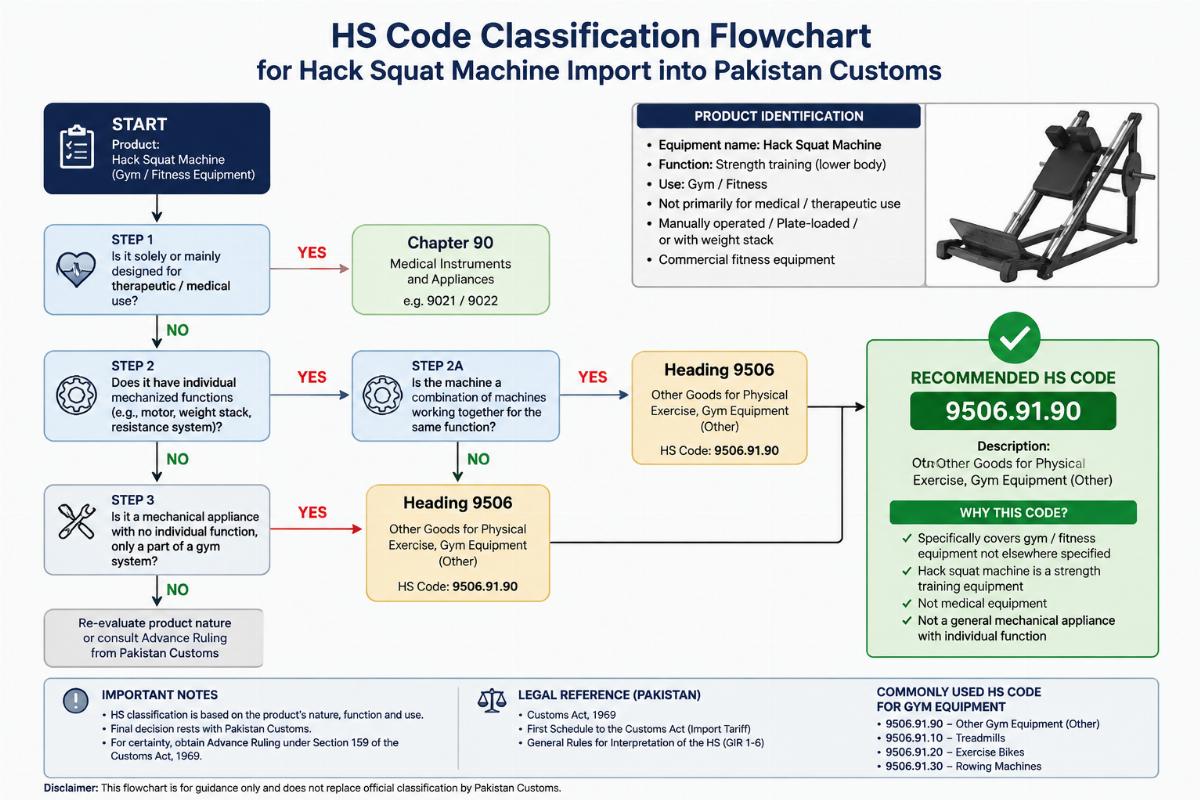
Accurate DDP pricing for spin bikes to Thailand requires precise HS code classification to avoid unexpected duty hikes. A transparent cost breakdown that separates product cost, logistics, and taxes builds trust and prevents clearance delays at Laem Chabang Port.
I still remember the silence on the other end of the line when a Bangkok boutique studio owner realized his landed cost had jumped significantly. He had ordered twenty units based on a quoted DDP pricing spin bike Thailand figure that looked competitive on paper. The issue was not the freight rate or the manufacturing quality. The problem lay in a single digit on the commercial invoice. I had classified the units under a general exercise equipment code, but Thai customs reclassified them as "sports training apparatus" due to specific digital features and heavy flywheel specifications. The duty rate increased by five percentage points. That margin erosion nearly killed the deal. Since then, I never provide a lump-sum DDP pricing spin bike Thailand quote without first verifying the HS code with a local Thai broker. This experience highlights why importers must look beyond the headline number.
Understanding the mechanics behind these costs allows buyers to negotiate better and plan more effectively. Let us dissect the components that make up a reliable quote.
Why Does HS Code Classification Matter for Spin Bikes in Thailand?
Misclassification can increase duties by up to five percent, eroding margins completely.
The Harmonized System (HS) code is the universal language of trade, but its interpretation varies by country. In Thailand, the distinction between general gym equipment and specialized training apparatus can be subtle yet financially significant. Many assume spin bikes are generic "gym equipment," but Thai customs may classify them under higher-tax categories if the technical specifications are not clearly documented. [NEED_CITE: Thai Customs Department tariff classification guidelines for exercise equipment]
When I prepare a DDP pricing spin bike Thailand proposal, I start with the HS code verification. If a bike has a simple mechanical resistance system, it often falls under a lower duty bracket. However, models with electronic consoles, power meters, or specific connectivity features might trigger a different classification. A Bangkok distributor once compared FOB versus DDP options and found that the inland trucking from Laem Chabang port to northern provinces required a fifteen to twenty percent cost buffer. Without accurate classification, this buffer disappears into unexpected tax bills.
| Classification Factor | Low-Risk Profile | High-Risk Profile |
|---|---|---|
| Resistance Type | Manual/Magnetic | Electronic/Generator-based |
| Console Features | Basic LCD | Touchscreen/Connectivity |
| Primary Use | General Fitness | Professional Training |
| Duty Impact | Standard Rate | Elevated Rate |
This table illustrates how technical specs influence tax liability. It is not just about the bike; it is about how the bike is described. A vague description like "fitness machine" invites scrutiny. A precise description detailing "non-electric stationary bicycle for general physical exercise" provides clarity. [NEED_CITE: ASEAN Trade in Goods Agreement rules of origin and classification]
Buyers should request a pre-classification ruling if they are importing large volumes. This step ensures that the DDP pricing spin bike Thailand quote remains valid throughout the clearance process.
What Components Make Up a Transparent DDP Quote?
A valid quote separates product cost, logistics, and taxes clearly to prevent hidden surprises.
Most think "DDP" means one fixed price. In reality, it is a complex aggregation of multiple variable costs. A transparent DDP pricing spin bike Thailand quote should itemize every element. This transparency allows buyers to see where their money goes and identify potential savings.
The breakdown typically includes:
- Ex-works price: The cost of the unit itself.
- Ocean freight: The cost of shipping from the port of origin to Laem Chabang.
- Insurance: Coverage for loss or damage during transit.
- Import Duty: Calculated based on the HS code and CIF value.
- VAT: Value Added Tax applied to the total landed cost.
- Local Delivery: Trucking from the port to the final destination.
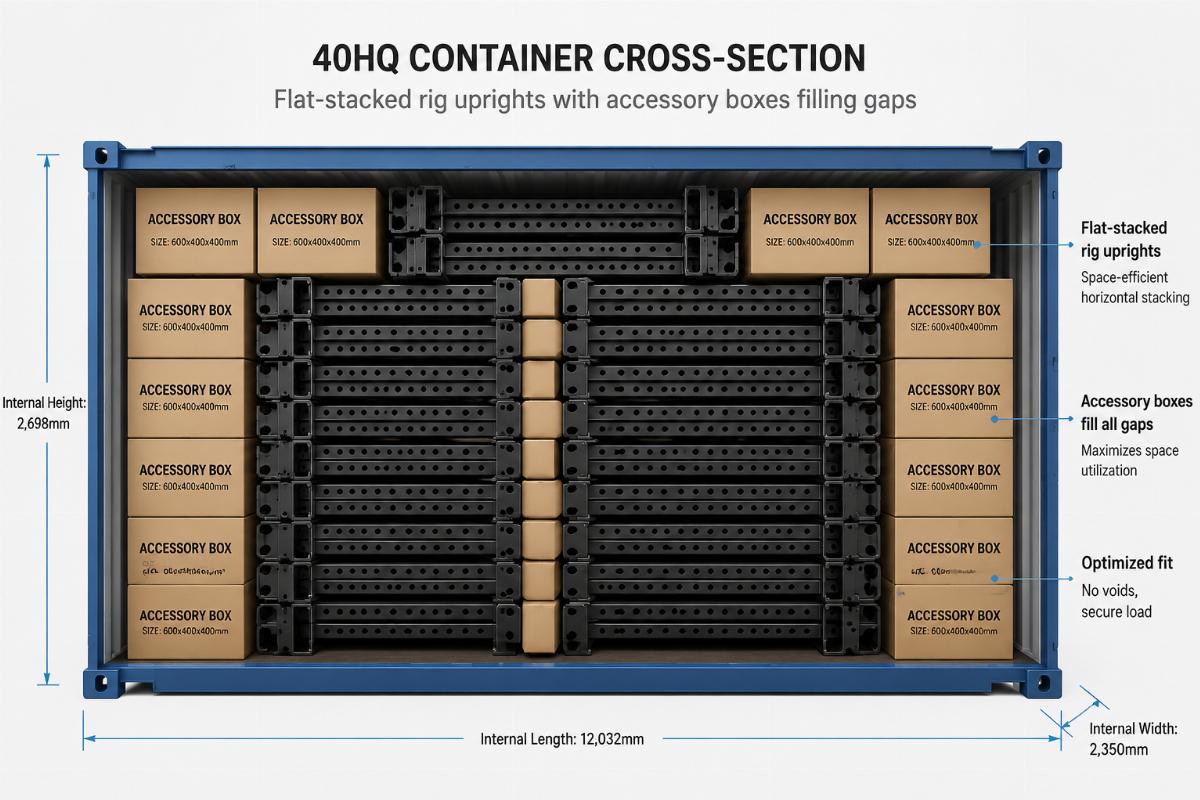
At Bick, we provide itemized tax estimates and leverage consolidated container loads to optimize freight rates for commercial gym packages. This approach helps regional distributors and gym owners in Southeast Asia secure all-inclusive landed costs without hidden customs surprises. For example, a Phuket hotel project requiring consolidated container delivery benefited from this transparency. By combining cardio and strength equipment in one container, we reduced the per-unit freight cost significantly.
However, volatility exists. Fuel surcharges can change weekly. Currency exchange rates fluctuate. A robust DDP pricing spin bike Thailand agreement includes clauses for these variables. If fuel prices spike, the freight component adjusts. If the Thai Baht weakens against the US Dollar, the duty component in local currency terms changes. Buyers need to understand these dynamics.
Without this level of detail, buyers are vulnerable to last-minute fees. A Chiang Mai distributor comparing quotes might find that a cheaper upfront price hides expensive local handling fees. Always ask for the breakdown.
How to Avoid Common Clearance Delays at Laem Chabang Port?
Accurate weight/volume data and proper labeling prevent inspections and storage fees.
Laem Chabang is the primary gateway for imports into Thailand. It is efficient, but it is also strict. Documentation errors are the leading cause of delays. A missing certificate of origin or an inconsistent packing list can hold a container for days. [NEED_CITE: International Chamber of Commerce Incoterms 2020 guidelines on documentation]
For a DDP pricing spin bike Thailand shipment, the documentation checklist must be flawless. This includes the commercial invoice, packing list, bill of lading, and certificate of origin. Each document must match the others exactly. Discrepancies in weight or piece count trigger manual inspections. These inspections take time and incur additional charges.
Consider a scenario where a buyer ordered a mixed container of spin bikes and rowing machines. The packing list listed the total weight but did not break down the weight per pallet. Customs officers suspected undeclared items. The container was pulled for inspection. The delay lasted over a week. The storage fees ate into the profit margin. To avoid this, we ensure that every pallet is labeled clearly with its contents and weight. The packing list mirrors this detail.
Another common issue is the lack of detailed component lists. If a spin bike ships partially assembled, the box contains frames, pedals, and seats. The invoice must list these components. If it only says "spin bike," customs may question the valuation. Detailed descriptions build trust with customs officers. They see that the importer is compliant and organized. This speeds up the release process.
Is DDP Always the Best Option for Thai Buyers?
For large volumes, DAP might offer more control over local logistics costs.
While DDP pricing spin bike Thailand offers convenience, it is not always the most cost-effective solution for every buyer. DDP places the risk and responsibility on the seller. The seller must navigate Thai customs, pay duties, and arrange final delivery. This convenience comes at a premium. Sellers often add a buffer to cover unforeseen costs.
For large orders, such as equipping a chain of gyms across multiple provinces, Delivered At Place (DAP) might be better. Under DAP, the seller delivers the goods to the named place in Thailand, but the buyer handles import clearance and pays duties. This allows the buyer to use their own customs broker. If the buyer has a strong relationship with a local broker, they might clear goods faster and cheaper than the seller can.
A regional fitness equipment distributor in Southeast Asia might prefer DAP. They have existing logistics networks. They can consolidate shipments from multiple suppliers. Using their own trucking fleet for final delivery reduces costs. In contrast, a boutique studio owner opening their first location might prefer DDP. They lack the infrastructure to handle customs. They value the simplicity of a single point of contact.
| Term | Seller Responsibility | Buyer Responsibility | Best For |
|---|---|---|---|
| DDP | All costs and risks until delivery | None | Small buyers, first-time importers |
| DAP | Delivery to named place | Import clearance, duties, final delivery | Large volumes, experienced importers |
Understanding this distinction helps buyers choose the right term. If you have the capability to handle customs, DAP can save money. If you want peace of mind, DDP pricing spin bike Thailand is worth the premium.
Conclusion
Transparency and precision are the foundations of successful international trade.
Accurate DDP pricing spin bike Thailand relies on correct HS classification and clear cost breakdowns. Buyers should verify classifications, demand itemized quotes, and ensure documentation is flawless. Whether choosing DDP or DAP, understanding the underlying costs empowers better decision-making. Avoid hidden surprises by partnering with suppliers who prioritize clarity over convenience.