Stair Climber for University Athletic Depts Wholesale Supplier
Leveling a commercial stair climber is not about aesthetics; it is a structural necessity to prevent asymmetric bearing wear that doubles repair costs.
Proper installation and preventive maintenance are critical for stair climbers in university settings due to extreme usage intensity. Skipping foundational checks, such as verifying concrete depth and ensuring dedicated electrical circuits, leads to premature motor failure and significant safety liabilities. Facility managers must prioritize site preparation over speed to ensure equipment longevity.
I still remember the smell of burning insulation in a campus gym in Lagos. The facility manager had plugged a heavy-duty unit into a shared circuit meant for lighting and small appliances. Within weeks, the control board fried, and the motor began to hum with a distressing irregularity. That incident was not just a mechanical failure; it was a failure of pre-installation diligence. In high-traffic university environments, where students push equipment to its limits during peak hours, the margin for error is non-existent. [NEED_CITE: impact of voltage instability on commercial cardio motor lifespan]
Understanding the specific demands of institutional buyers requires looking beyond the spec sheet. It involves recognizing that a commercial stair climber installation is only as good as the foundation it rests on. This guide breaks down the technical requirements for securing these machines, ensuring they withstand the rigors of daily academic athletic use.
Why Is Site Preparation Critical for University Gyms?
Heavy usage demands robust flooring and electrical infrastructure to prevent early failure.
University gyms operate differently from commercial fitness centers. They experience surge usage between classes, leading to intense, continuous operation periods followed by idle times. This cycle places unique stress on mechanical components. Before a single box is opened, the site must be evaluated for load-bearing capacity and power stability.
Many facility managers assume that any flat surface is sufficient. However, standard vinyl or thin rubber flooring often masks uneven subfloors. When a stair climber operates on an uneven surface, the frame twists slightly with every step cycle. Over time, this torsion stresses the welds and misaligns the drive chain. [NEED_CITE: mechanical stress analysis on unevenly mounted cardio equipment]
A pre-installation site survey should include checking the concrete slab thickness. For heavy commercial units, a minimum slab thickness is required to hold anchor bolts securely. If the concrete is too thin or cracked, the vibration from the machine will cause the anchors to loosen, leading to movement during use. This is not merely a noise issue; it is a safety hazard.
Furthermore, older campus buildings often have outdated electrical systems. Voltage drops are common when multiple high-draw devices operate simultaneously. A stair climber’s motor requires consistent voltage to maintain smooth resistance. Fluctuations can cause the console to reset or the motor to overheat. Ensuring the site has adequate amperage and stable voltage is a non-negotiable step in the commercial stair climber installation process.
How to Ensure Safe and Stable Installation?
Proper anchoring and leveling are essential for user safety and equipment integrity.
The most common mistake in installing cardio equipment is treating it as a plug-and-play appliance. Commercial stair climbers are heavy, dynamic machines that generate significant lateral force. Without proper anchoring, the unit can shift or "walk" across the floor during intense workouts. This movement compromises user balance and can damage the surrounding flooring.
To prevent this, the installation team must follow a strict anchoring protocol. First, identify the pre-drilled holes in the base frame. Use these as guides to mark the floor. Drill into the concrete using a hammer drill with a carbide-tipped bit sized for the anchor bolts. The depth of the hole must match the length of the anchor to ensure full engagement. [NEED_CITE: ANSI standards for anchoring commercial fitness equipment]
Once the holes are drilled, insert the anchor bolts. Place the machine over the bolts and level it using shims if necessary. It is crucial to use a precision level on both the front-to-back and side-to-side axes. Even a slight tilt can cause the belt or steps to track incorrectly, leading to premature wear. Tighten the nuts to the manufacturer’s specified torque. Over-tightening can strip the concrete, while under-tightening allows movement.
In my experience, skipping the leveling step to save time results in costly callbacks. A university client once reported excessive noise and vibration after three months of use. Upon inspection, we found that the left side of the machine was two millimeters lower than the right. This minor discrepancy caused the bearings on one side to carry the majority of the load, leading to early failure. Correcting this required replacing the bearings and re-leveling the entire unit.
Bick’s commercial stair climbers come with pre-drilled anchor points and detailed installation guides to simplify this process for facility teams. These features are designed to reduce the risk of human error during the commercial stair climber installation, ensuring a secure fit from day one.
What Are the Key Electrical Requirements?
Dedicated circuits and voltage stability protect sensitive electronics from power surges.
Modern stair climbers are equipped with sophisticated control boards that manage resistance, incline, and user data. These components are sensitive to electrical noise and voltage fluctuations. Connecting a commercial unit to a shared circuit with other high-draw equipment, such as air conditioners or treadmills, can lead to intermittent failures.
A dedicated circuit ensures that the stair climber receives a consistent flow of power. This circuit should be protected by a properly rated breaker to prevent tripping during peak usage. Additionally, the outlet must be grounded correctly. Poor grounding can cause static buildup, which may interfere with the console’s touch sensors or cause erratic behavior in the display. [NEED_CITE: electrical safety standards for commercial fitness facilities]
In older university buildings, wiring may not meet current codes for high-power appliances. It is advisable to have a licensed electrician verify the circuit’s capacity before installation. They should check for voltage drop under load. If the voltage drops significantly when the machine is in use, it indicates that the wiring is insufficient. Upgrading the circuit or installing a voltage stabilizer may be necessary.
Another consideration is the placement of the power cord. It should be routed away from high-traffic areas to prevent accidental disconnection or damage. Using a cord cover or recessed outlet can help maintain a clean and safe environment. Ensuring that the electrical setup meets these requirements is a vital part of a successful commercial stair climber installation.
How to Implement a Preventive Maintenance Routine?
Regular lubrication and inspection extend lifespan and reduce unexpected downtime.
Installation is just the beginning. To keep a stair climber running smoothly in a high-traffic university gym, a rigorous maintenance schedule is essential. Neglecting routine care can lead to major repairs and extended downtime, which frustrates users and impacts the facility’s reputation.
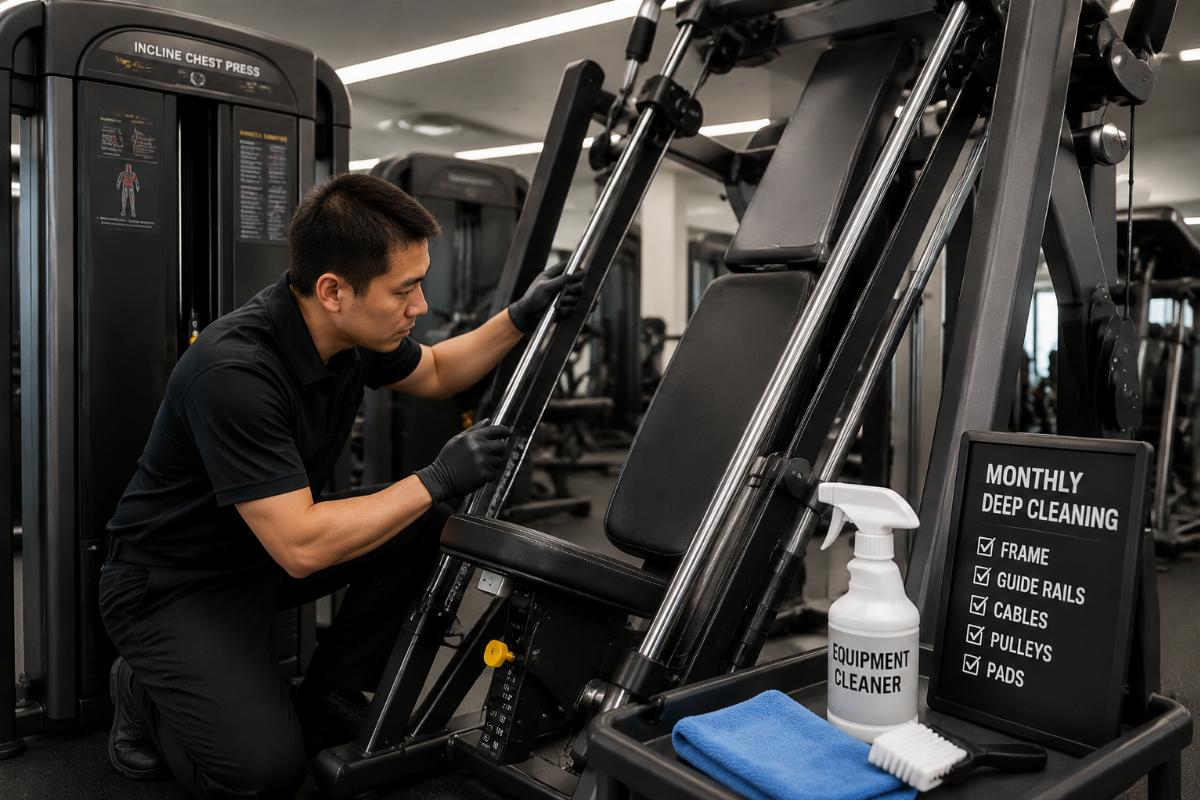
A preventive maintenance routine should include daily, weekly, and monthly tasks. Daily tasks involve wiping down the machine to remove sweat and dirt, which can corrode metal parts and degrade electronics. Inspecting the steps or belt for debris is also important to prevent jams.
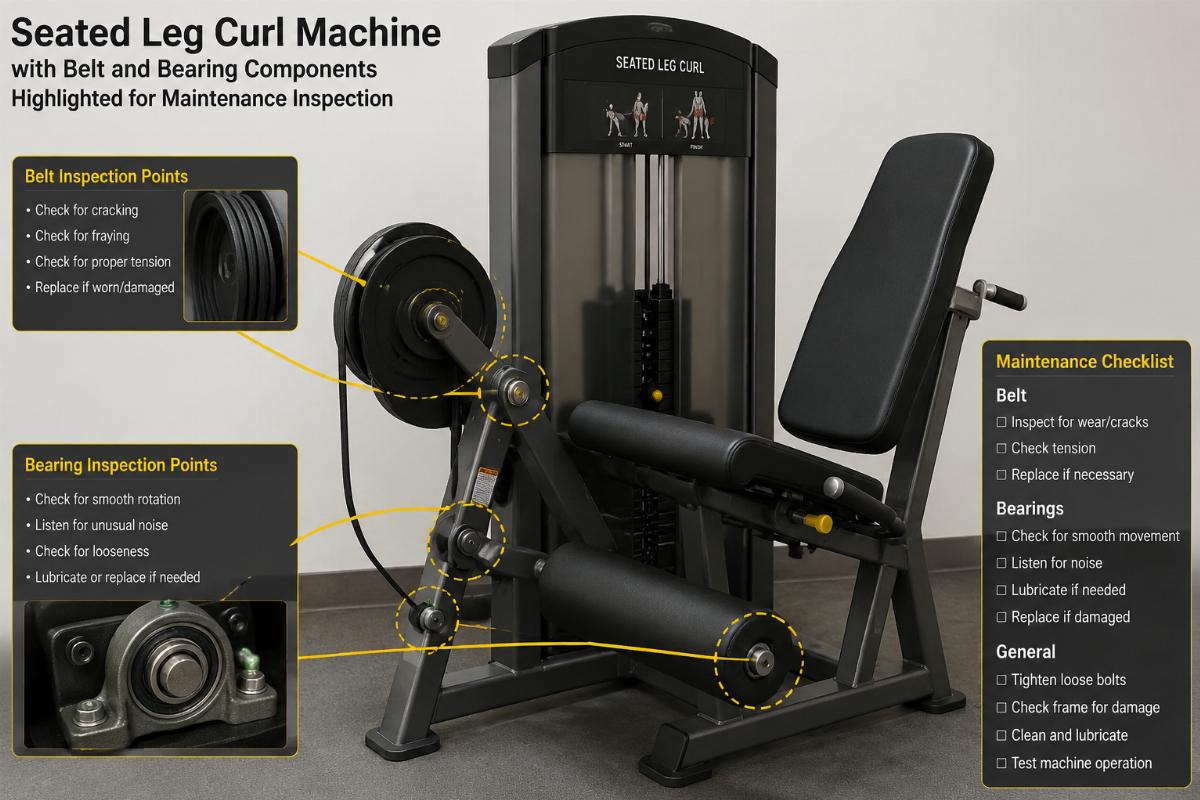
Weekly tasks should focus on mechanical components. Check the tension of the drive belt or chain. Proper tension ensures efficient power transfer and prevents slipping. Listen for unusual noises that may indicate loose bolts or worn bearings. Tighten any loose fasteners on the handrails and console. [NEED_CITE: recommended maintenance intervals for commercial cardio equipment]
Monthly tasks require a more thorough inspection. Lubricate the moving parts according to the manufacturer’s guidelines. Using the wrong type of lubricant can attract dust and cause gumming, which increases friction and wear. Inspect the electrical connections for signs of overheating or corrosion. Check the anchor bolts to ensure they remain tight.
Implementing this routine helps identify small issues before they become major problems. For example, catching a slightly loose bolt early can prevent it from vibrating out completely and causing structural damage. A well-maintained machine not only lasts longer but also provides a better user experience, encouraging students to stay active. This proactive approach is integral to the long-term success of any commercial stair climber installation.
Conclusion
Investing time in proper installation and maintenance pays off in equipment longevity and user safety.
University gyms demand durability and reliability from their equipment. By prioritizing site preparation, ensuring secure anchoring, verifying electrical stability, and adhering to a strict maintenance schedule, facility managers can maximize the lifespan of their stair climbers. These steps mitigate the risks of premature failure and create a safer environment for students. A careful commercial stair climber installation sets the foundation for years of dependable service.