Vertical Climber Manufacturer: L/C 30 Days Terms for Bulk Orders
"L/C 30 days" does not start when you inspect the goods.
For vertical climber imports, the 30-day payment clock typically triggers from the Bill of Lading date or the date of sight by the negotiating bank, not from customer acceptance or inspection completion. Strict alignment of shipment and presentation dates is critical to prevent customs hold-ups in Latin American ports.
I remember standing in a warehouse in Monterrey, Mexico, watching a container of treadmills being unloaded. A client pointed at a copy of the letter of credit and asked me a question that stopped me cold: "When do these 30 days actually start? Is it from the bill of lading date or the inspection day?" I hesitated. That moment of uncertainty was expensive. Later, while handling bulk orders for gym chains in Latin America, I saw how this ambiguity translates into real costs. A procurement manager for a fitness chain in São Paulo once faced a two-week detention of an entire container of strength equipment at Santos Port. The reason? A three-day discrepancy between the shipment date and the presentation date in the letter of credit documents. The demurrage costs far exceeded the fees for a simple L/C amendment. These experiences shaped my approach to L/C 30 days payment terms, turning abstract banking rules into practical logistics safeguards.
Understanding these triggers is not just about banking compliance; it is about cash flow management and avoiding port congestion. When importing commercial fitness equipment like vertical climbers, the gap between expectation and banking reality can disrupt your supply chain.
When Does the 30-Day Clock Actually Start?
The trigger point for your payment obligation is defined by the text of the credit, usually tied to the Bill of Lading or bank sight, not your internal acceptance process.
Many buyers assume that "30 days" begins after they have verified the quality of the vertical climbers. This is a dangerous misconception. Under standard international practice, unless explicitly stated otherwise, the tenor of the draft is calculated from the date of the bill of lading or the date the documents are presented to and accepted by the bank [NEED_CITE: UCP600 article regarding determination of maturity date]. This distinction has a direct impact on your working capital.
Consider a boutique studio importer who confused "30 days after sight" with "30 days after B/L date." In the first scenario, the clock starts when the bank reviews the documents. In the second, it starts when the carrier issues the bill of lading. If there is a delay in document presentation due to courier issues or bank holidays, the difference can be one to two weeks. For a buyer managing multiple containers of L/C payment for fitness equipment, this variance affects when funds must be available.
To avoid surprises, clarify the trigger point in the proforma invoice stage. If you need more time to inspect goods before payment pressure mounts, negotiate for "30 days after sight" rather than "30 days after B/L date." However, be aware that suppliers may prefer the latter as it provides them with earlier certainty of payment. The key is to ensure the language in the vertical climber manufacturing contract terms matches your cash flow cycle.
Common Document Discrepancies That Freeze Your Cargo
Minor errors in weight, HS codes, or description mismatches are the primary causes of cargo detention, not major quality disputes.
Letters of credit are documentary transactions. Banks deal in papers, not goods. If the documents do not strictly comply with the credit terms, the bank can refuse payment, leaving your cargo stranded at the port. In the fitness equipment sector, three specific errors frequently cause issues.
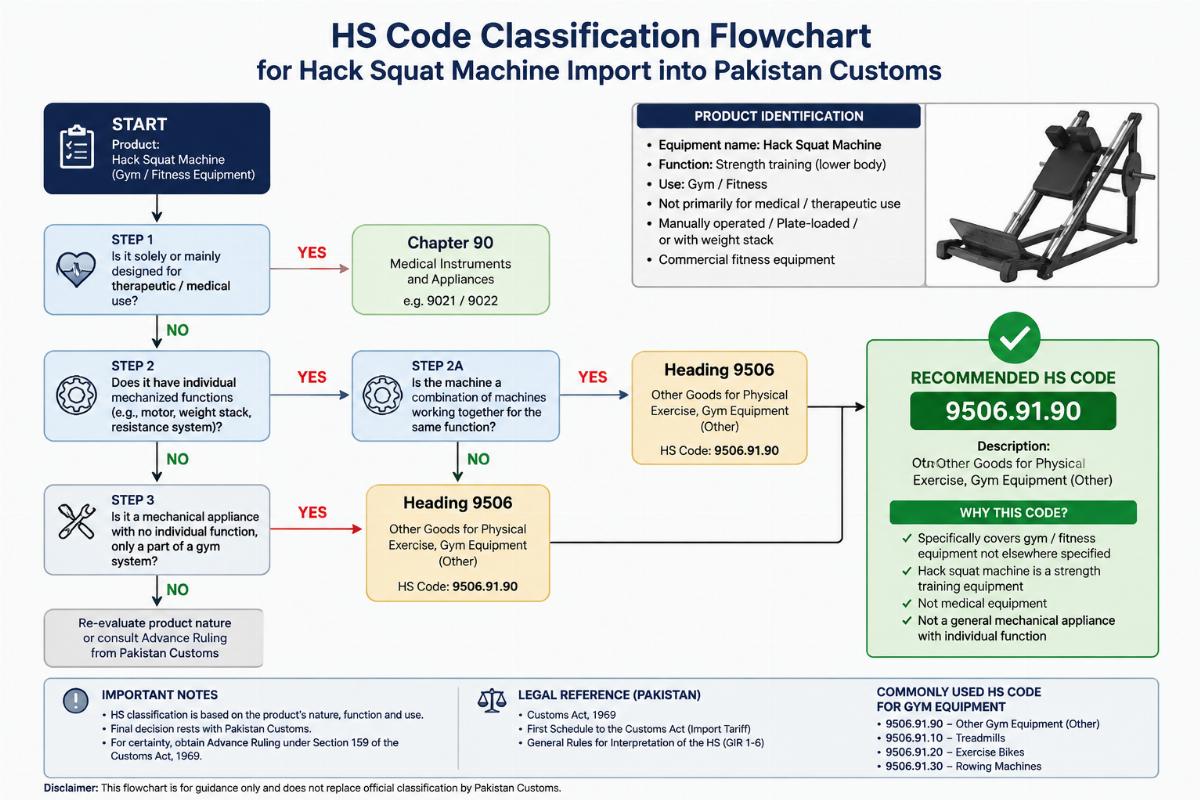
First, weight mismatches. A vertical climber might weigh slightly different depending on packaging materials. If the packing list shows a net weight that differs from the bill of lading, even by a small margin, it creates a discrepancy. Second, HS code errors. Misclassifying a vertical climber under a generic "exercise machine" code instead of its specific category can lead to customs holds, especially in regions with strict import regulations like Latin America. Third, description inconsistencies. The product description on the commercial invoice must mirror the letter of credit exactly. Adding extra details like "commercial grade" or "heavy duty" if they are not in the L/C can be flagged as a discrepancy.
A distributor consolidating containers of vertical climbers and treadmills once faced partial shipment issues because the L/C did not allow for partial shipments, yet the goods were loaded in separate batches due to space constraints. The bank rejected the documents for the first batch because the full quantity was not shipped. This led to storage fees and delayed sales. To mitigate this, include tolerance clauses for quantity and amount in the L/C, allowing for minor variations in load volume [NEED_CITE: UCP600 tolerance clauses for quantity and amount].
How to Structure L/C for Partial Shipments & Consolidation
Explicitly allowing partial shipments and transshipment in the L/C is essential for mixed cargo orders to avoid single-document rejection.
When sourcing a full gym package, you often mix vertical climbers with other gear like treadmills or strength machines. These items may have different production lead times or packaging requirements. If your L/C prohibits partial shipments, you must wait until every single item is ready before shipping anything. This delays your entire inventory arrival.
Structuring the L/C to allow partial shipments gives you flexibility. You can ship the vertical climbers as soon as they are ready and follow up with the rest of the order. However, this requires careful coordination. Each partial shipment must have its own set of compliant documents. If one batch has a discrepancy, it does not necessarily block the other batches, provided the L/C is structured correctly.
Consolidating containers also introduces complexity. If you are combining goods from different suppliers or different production lines, ensure the bill of lading reflects the consolidation accurately. Some banks require a single bill of lading for the entire container, while others accept house bills of lading for each supplier. Clarify this with your freight forwarder and bank beforehand. For L/C 30 days payment terms, ensuring that the presentation period covers all partial shipments is vital. You do not want to miss the presentation deadline for the first batch because you were waiting for the second.
Negotiating Safer Terms with Chinese Manufacturers
Balancing supplier security with buyer protection requires realistic lead times and clear inspection protocols, not overly complex clauses.
Suppliers prefer L/C terms because they offer bank-guaranteed payment. However, they are wary of overly complex inspection clauses that can lead to document mismatches. Buyers often believe that adding strict inspection certificates protects them. In reality, these clauses often cause more problems than they solve. If the inspection certificate date is later than the bill of lading date, or if the inspector’s name does not match the L/C requirement exactly, the bank will reject the documents.
Instead of complex inspection clauses, focus on realistic lead times. Allow enough time between production completion and shipment for proper documentation preparation. Discuss the letter of credit 30 days after sight structure early in the negotiation. Explain that this term helps your cash flow without compromising their security, as the bank still guarantees payment upon compliant presentation.
Also, consider using standardized templates. Many discrepancies arise from ambiguous wording. Using a clear, standard format for the L/C reduces the risk of interpretation errors. For instance, clearly define what constitutes "sight" and which bank is responsible for the negotiation. This clarity benefits both parties. The supplier gets paid faster if documents are clean, and the buyer avoids unexpected delays. In my experience, manufacturers appreciate buyers who understand these nuances, as it smooths the transaction process. It builds trust, which is crucial for long-term partnerships in the fitness equipment industry.
Conclusion
Clarity in L/C terms prevents costly port delays and ensures smooth cash flow.
Understanding that L/C 30 days payment terms trigger from the bill of lading or sight date, not inspection, is fundamental for importers. By aligning document details, allowing for partial shipments, and negotiating realistic clauses, you minimize the risk of discrepancies. These steps protect your cargo from detention and your business from unnecessary financial strain.