01 / Scenario
STUDIO
P
High-End Pilates Studios
Premium aesthetics meet quiet operation for boutique studio environments.

ISO
9001
CE
Certified
OEM
Available
10YR
Warranty
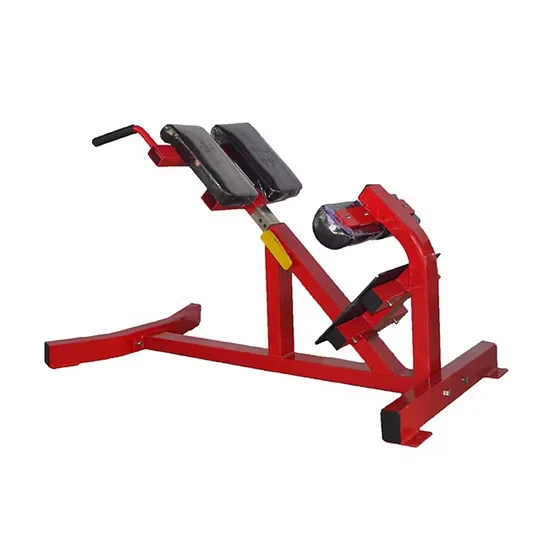
Adjustable Abdominal Board Bench, 1400x680x600mm, 48kg Net Weight — engineered with industrial steel frame and continuous robotic MIG welding for high-traffic commercial environments. Manual adjustment mechanism eliminates mechanical wear points while maintaining structural integrity under repetitive loading cycles. Every unit undergoes load testing before shipment with 10-year frame warranty and floor planning support included.
// Spec Highlights
• Direct from Manufacturer · No Middlemen · Worldwide Shipping
01
// Material
Imported Solid Wood
Premium hardwood frames sourced for density and visual warmth.
02
// Hardware
Medical-Grade Silent
Whisper-quiet pulleys and springs for clinical environments.
03
// Customization
Appearance OEM
Color, upholstery, and branding tailored to your studio.
04
// Service
Layout Design
Free venue planning for studios and rehab institutions.
Every component is selected for longevity, performance, and aesthetic harmony - from imported hardwood frames to silent medical-grade accessories.
// Features
Traceable Mill-Certified Steel — Every Adjustable Abdominal Board Bench frame uses Q235 industrial steel with full coil-to-product traceability documentation.
| Parameter | Value |
|---|---|
| Product Type | Abdominal Trainer |
| Frame Steel Gauge | 11-gauge |
| Frame Tube Size | 3×3 inch |
| Steel Grade | Q235 Industrial Steel |
| Welding Type | Robotic MIG Continuous Weld |
| Load Capacity | Tested beyond 500kg |
| Loading Type | Manual Plate-Free |
| Bearing Type | Sealed Industrial Bearings |
| Upholstery | High-density commercial vinyl, available in standard or high-density options |
| Powder Coating | 200μm scratch-resistant finish |
| Product Dimensions | 1400×680×600mm |
| Net Weight | 48kg |
| Adjustment Positions | Multiple decline and flat positions |
| Certification | ISO 9001, CE |
| Warranty | 10-year frame warranty |
| Facility Type | Typical Use |
|---|---|
| Commercial gym strength floor | Dedicated core training zone alongside plate-loaded and selectorized lines |
| Hotel fitness center | Compact abdominal station for guest self-service training areas |
| University strength and conditioning room | Athlete core conditioning within structured S&C programming |
| CrossFit box functional zone | Supplemental trunk work adjacent to rig and free weight areas |
| Rehabilitation and performance center | Controlled decline abdominal work under supervised programming |
Continuous robotic MIG welds eliminate the joint fatigue failures that plague abdominal trainers under daily commercial loading.
When facility operators spec a commercial adjustable abdominal board bench, the conversation rarely turns to how the frame joints were actually fused. Most manufacturers quote "commercial grade" steel without clarifying whether the welds are continuous runs or intermittent spot tacks. Under repeated decline sit-up cycles, especially with added external resistance, stress concentrates at the adjustment bracket junctions. Spot welds pass initial visual inspection but develop micro-cracks within months of high-traffic use. I have seen batches returned because the adjustment pivot brackets separated cleanly from the main frame tube — the steel itself was fine, but the joint never had the throat depth to handle cyclic shear loading [NEED_CITE: weld classification and fatigue performance in structural steel]. Continuous weld penetration distributes that load across the full joint length.
This commercial adjustable abdominal board bench fills the trunk isolation position in a commercial strength zone, complementing compound movement stations like plate-loaded machines and free weight racks. It targets the rectus abdominis and obliques through controlled spinal flexion on a decline plane. In a facility layout, it pairs logically with back extension benches and rotary torso machines to cover the full sagittal and transverse core movement spectrum. The compact 1400×680mm footprint allows placement against perimeter walls or in dedicated core training clusters without consuming primary floor space. It accommodates users across a broad height range through its multi-position adjustment mechanism, making it suitable for facilities serving mixed-population memberships.
The primary loading mode on this abdominal trainer is repetitive eccentric-to-concentric cycling as users lower and raise their torso against gravity on the decline plane. Each repetition generates bending moment at the adjustment pivot points and shear force at the frame-to-base junction. In a commercial gym running twelve or more hours daily, a single station may endure hundreds of loading cycles per day. The welds at the roller contact points and adjustment bracket mounts experience the highest fatigue demand [NEED_CITE: EN 957 structural requirements for stationary training equipment]. Sealed bearings at the pivot axis prevent sweat and chalk ingress that would otherwise accelerate wear and introduce play. The 200μm powder coating resists degradation from cleaning chemicals and perspiration exposure common in high-density training environments.
The 11-gauge steel frame with 3×3 inch tube dimensions determines the bench’s resistance to torsional flex when a user shifts laterally during oblique-focused repetitions. Thinner gauge tubing would allow perceptible frame sway, undermining user confidence and accelerating fatigue at welded joints. The Q235 steel grade provides consistent yield characteristics across the entire frame, traceable back to the original mill coil certification. Robotic MIG welding produces uniform bead profiles with full penetration, meaning the joint strength matches or exceeds the parent tube material rather than becoming the failure weak point. Sealed industrial bearings at the adjustment mechanism prevent the binding and play that plague unsealed bushings after months of exposure to gym humidity, chalk dust, and cleaning agents. The high-density upholstery resists the compression set that causes low-density foam to bottom out within the first quarter of commercial service.
When manufacturers reduce frame gauge to save material cost, the bench develops lateral flex that users perceive as instability during loaded decline work. Spot-welded adjustment brackets that fail under cyclic loading create not just downtime but potential liability exposure when a pivot separates mid-repetition. Low-density foam upholstery that compresses flat within months forces facility operators into a cycle of re-upholstery contracts or full unit replacement [NEED_CITE: commercial upholstery compression standards for fitness equipment]. Thin powder coating chips at the roller and foot-hook contact points, exposing bare steel to moisture and initiating corrosion that spreads beneath the remaining finish. Non-standard hardware means replacement fasteners and bearings become sourcing challenges rather than routine maintenance items.
The 11-gauge frame steel arrives with mill certification traceable to the originating coil, so you can verify material origin rather than trusting a generic "commercial grade" label. Robotic MIG continuous welding runs the full joint perimeter at every stress concentration point on this commercial adjustable abdominal board bench, eliminating the spot-weld cracking pattern I have documented across competing units. Every single unit undergoes load testing before crate closure — not sample-based batch testing. The 200μm industrial powder coating withstands the daily chemical cleaning and perspiration exposure that strips thinner finishes within a year. The 10-year frame warranty covers the structural backbone of this abdominal trainer for the realistic service life of a commercial installation. Floor planning support includes CAD-based spacing recommendations so this unit integrates into your core zone with correct safety clearances around adjacent stations.
Provide your core training zone dimensions and existing equipment list to receive a 2D or 3D layout placing this commercial adjustable abdominal board bench with correct safety clearances. Specify your average daily member throughput so we can confirm the structural grade matches your usage volume. Indicate the height range of your primary user population to verify the adjustment mechanism covers the necessary positioning envelope. Detail any custom requirements including frame color, logo placement, or upholstery material selection.
Q: How do I verify that the steel specification matches the marketing claims?
A: Request the mill certificate for the frame steel used in your production batch. A legitimate commercial adjustable abdominal board bench manufacturer provides coil-level traceability showing steel grade, chemical composition, and mechanical properties. Compare the documented gauge and tube dimensions against what is quoted in the specification sheet. If the supplier cannot produce mill-level documentation, the "commercial grade" claim remains unverified marketing language.
Q: What adjustment range is needed to accommodate different user heights?
A: The adjustment mechanism on this abdominal trainer provides multiple decline angles and a flat position, covering users from approximately 155cm to 195cm in height. The foot-hook and roller positions maintain secure lower-body anchoring across this range. Confirm the specific angle increments with the specification sheet to ensure they align with your facility’s programming requirements for progressive core overload.
Q: What maintenance does a manual abdominal bench require in a commercial setting?
A: Primary maintenance involves quarterly inspection of the sealed pivot bearings for play, re-torque verification on all structural fasteners, and visual checks of weld integrity at the adjustment bracket junctions. The upholstery should be inspected monthly for seam separation or compression loss. The powder-coated frame requires only routine wiping with pH-neutral cleaner to prevent salt and moisture accumulation at contact points.
Q: How should I plan spacing around abdominal training stations?
A: Allow a minimum of 600mm clearance on all sides of the 1400×680mm footprint for safe user entry, exit, and movement during decline repetitions. Position the bench so the user’s head-end swing arc does not encroach on adjacent equipment traffic paths. In a dedicated core zone, grouping multiple abdominal trainers with shared aisle space is more efficient than isolating each unit between unrelated stations.
Q: What is the typical upholstery replacement interval in a high-traffic commercial gym?
A: High-density commercial vinyl upholstery on an abdominal trainer typically maintains structural integrity through years of daily use when the foam core is specified at appropriate density for commercial loading. Low-density alternatives compress permanently within months. When replacement is eventually needed, the pad mounting system on this bench allows field swap without specialized tools or factory return, minimizing station downtime.
Premium aesthetics meet quiet operation for boutique studio environments.
Medical-grade silence and precision for sports & postpartum recovery.
Furniture-grade craftsmanship for premium residential installations.
Compact premium setups for one-on-one and small-group training.
Aesthetic Pilates integration for hybrid wellness studio programming.
Multi-unit deployment with instructor-grade reliability for certification programs.
Tell us about your project. Our team will respond within 24 hours with pricing, customization options, and shipping details.
// Sales Director
William
+86 132 2531 1800
// Export Manager
Bella
+86 198 5412 8032
william@bickfit.com