01 / Scenario
STUDIO
P
High-End Pilates Studios
Premium aesthetics meet quiet operation for boutique studio environments.

ISO
9001
CE
Certified
OEM
Available
10YR
Warranty
Commercial Power Rack with Pull Up Station, 3×3 Inch Frame Tube, 98kg Net Weight — built with industrial steel construction and robotic MIG continuous welding for structural integrity under repeated heavy loading, integrated pull up bar optimizes floor space in high-traffic facilities. Each unit undergoes load testing before shipment with mill-certified steel traceable to coil origin, backed by 10-year frame warranty and factory-direct pricing.
// Spec Highlights
• Direct from Manufacturer · No Middlemen · Worldwide Shipping
01
// Material
Imported Solid Wood
Premium hardwood frames sourced for density and visual warmth.
02
// Hardware
Medical-Grade Silent
Whisper-quiet pulleys and springs for clinical environments.
03
// Customization
Appearance OEM
Color, upholstery, and branding tailored to your studio.
04
// Service
Layout Design
Free venue planning for studios and rehab institutions.
Every component is selected for longevity, performance, and aesthetic harmony - from imported hardwood frames to silent medical-grade accessories.
// Features
Structural Integrity Verified — Every commercial power rack with pull up bar undergoes individual load testing before shipment, with 11-gauge steel frame specifications traceable to mill certification.
| Parameter | Value |
|---|---|
| Product Type | Power Rack |
| Frame Tube Size | 3×3 inch |
| Steel Grade | Q235 / Q345 industrial steel |
| Welding Type | Robotic MIG continuous welding |
| Product Dimensions | 1830×1200×1876mm |
| Net Weight | 98kg |
| Material | Steel |
| Exercise Part | Leg, Waist, Arm |
| OEM/ODM | Available |
| Certification | ISO 9001, CE |
| Transport Package | Plywood Case |
| Production Capacity | 500 PCS/Month |
| Facility Type | Typical Use |
|---|---|
| Commercial gym strength floor | Primary squat and press station with integrated vertical pulling |
| CrossFit box functional zone | High-density training area for varied movement patterns |
| University strength and conditioning room | Multi-athlete daily use for athletic development |
| Hotel fitness center | Space-efficient strength solution for limited floor area |
| Rehabilitation and performance center | Controlled loading environment for progressive overload |
Continuous robotic MIG welding eliminates the fatigue cracks that develop at spot weld joints under repeated heavy loading.
Many commercial power rack with pull up bar units marketed as heavy-duty rely on spot welding at critical stress points. Under years of dynamic hanging movements and eccentric loading during pull-ups, these joints develop micro-cracks that propagate through the heat-affected zone. The failure isn’t sudden—it’s progressive, with visible deformation appearing months before structural compromise becomes obvious. This commercial power rack with pull up bar uses continuous weld seams at all load-bearing nodes, distributing stress across the entire joint rather than concentrating it at discrete points. [NEED_CITE: weld classification and fatigue performance in structural steel]
This commercial power rack with pull up bar serves as the foundational compound movement station in any strength-focused facility. The integrated pull-up station addresses vertical pulling patterns—latissimus dorsi, rhomboids, and biceps engagement—without requiring separate equipment footprint. In high-traffic commercial environments, this unit complements plate-loaded machines and free weight areas by handling the squat, press, and pull-up movements that drive training volume. The 1830×1200mm footprint accommodates users across a wide anthropometric range, from compact facility layouts to spacious performance centers.
Commercial strength equipment faces three distinct load types: static axial compression during heavy squats, dynamic impact from barbell catches, and eccentric lateral forces during pull-up variations. The 3×3 inch frame tube with 11-gauge wall thickness resists bending deformation under these combined stresses, while robotic MIG continuous welding prevents fatigue failure at welded joints. Sealed industrial bearings in any pulley systems maintain smooth operation despite chalk dust and sweat exposure. The 200μm powder coating withstands repeated contact with barbell knurling and cleaning chemicals without chipping at high-wear points. [NEED_CITE: structural steel fatigue under cyclic loading conditions]
The 3×3 inch tube dimension directly determines the section modulus—the geometric property that resists bending under load. A larger cross-section increases the moment of inertia, meaning the frame deflects less under identical loading compared to smaller tubes. The 11-gauge wall thickness adds material where bending stress concentrates at the outer fibers of the tube. Robotic MIG welding with continuous penetration creates a unified structural member rather than a collection of tacked-together pieces, eliminating the stress risers that initiate cracks. The Q235 and Q345 steel grades provide verified yield strength characteristics, with mill certification traceable to the original coil—ensuring the material properties match engineering calculations rather than supplier claims.
Thin-wall tubing deflects visibly under heavy loads, creating instability that compromises lifting technique and increases injury risk. Spot-welded joints crack progressively, requiring facility managers to inspect hundreds of weld points regularly or face catastrophic failure during use. Non-sealed bearings develop play within months of commercial use, creating slop in movement patterns and accelerating wear on cables and pulleys. Low-density upholstery compresses permanently after weeks of daily use, requiring frequent replacement that interrupts facility operations. Powder coating applied without proper surface preparation chips at contact points, exposing bare steel to sweat-induced corrosion that spreads beneath adjacent coating. [NEED_CITE: corrosion mechanisms in fitness equipment exposed to sweat and cleaning agents]
Every commercial power rack with pull up bar ships with mill-certified steel documentation traceable to coil origin, verifying material properties match engineering specifications. Robotic MIG continuous welding at all structural joints eliminates the spot-weld failure modes that plague inferior equipment. Each unit undergoes individual load testing before shipment—not sample-based inspection—documenting structural performance for your records. The 200μm industrial powder coating provides scratch resistance at high-contact points where barbell knurling and user hands repeatedly impact the frame. A 10-year frame warranty covers structural integrity, with CAD-based floor planning support ensuring proper spacing and safe clearances between stations. OEM customization allows facility branding integration while maintaining structural specifications.
Provide your strength training area dimensions and equipment list to receive 2D-3D floor planning with this commercial power rack with pull up bar positioned for optimal traffic flow and safe clearances. Specify daily user volume to confirm structural grade matches facility demands. Indicate target user anthropometric range to verify adjustment compatibility. Custom color, logo, and upholstery options are available while maintaining certified structural specifications.
Q: How do I verify this is true commercial grade versus light commercial equipment?
A: Request mill-certified steel documentation traceable to coil origin, welding method specifications showing continuous rather than spot welding, and load testing records for individual units rather than batch sampling. True commercial equipment provides verifiable structural specifications, not vague "heavy-duty" marketing claims.
Q: What frame steel gauge and tube size are required for heavy loading applications?
A: The 11-gauge wall thickness on 3×3 inch tubing provides the section modulus needed to resist bending under axial and lateral loads typical in commercial squat and press movements. Smaller tubes or thinner walls deflect visibly under heavy loads, compromising stability and safety during dynamic exercises.
Q: How can I verify welding quality before purchasing?
A: Request welding procedure specifications showing robotic MIG continuous welding rather than manual spot welding. Ask for weld inspection records and visual documentation of critical joints. Continuous welds distribute stress across the entire joint, while spot welds create stress concentration points that crack under cyclic loading.
Q: What spacing and clearance requirements exist for safe installation?
A: Maintain minimum 900mm clearance on all sides for barbell path and user movement during exercises. The 1830×1200mm footprint requires adequate floor space for safe operation. 2D-3D facility planning ensures proper equipment spacing and traffic flow in your specific layout.
Q: What warranty coverage applies to high-traffic commercial facilities?
A: The 10-year frame warranty covers structural integrity under commercial use conditions. Replacement parts including upholstery, bearings, and hardware remain available throughout the equipment service life. Individual load testing documentation provides verification of structural performance for your facility records.
Premium aesthetics meet quiet operation for boutique studio environments.
Medical-grade silence and precision for sports & postpartum recovery.
Furniture-grade craftsmanship for premium residential installations.
Compact premium setups for one-on-one and small-group training.
Aesthetic Pilates integration for hybrid wellness studio programming.
Multi-unit deployment with instructor-grade reliability for certification programs.
Tell us about your project. Our team will respond within 24 hours with pricing, customization options, and shipping details.
// Sales Director
William
+86 132 2531 1800
// Export Manager
Bella
+86 198 5412 8032
william@bickfit.com
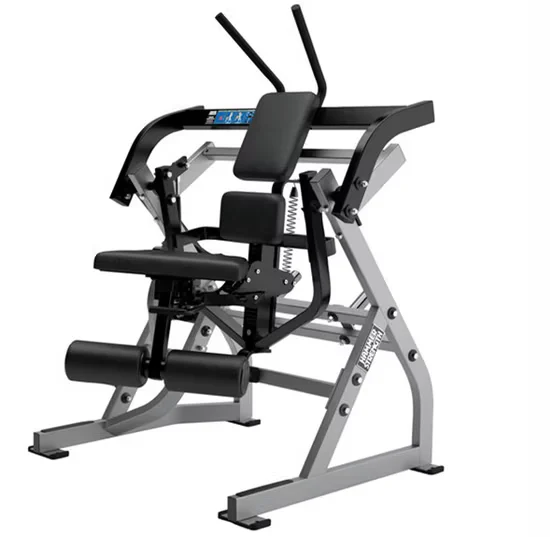
![ISO-Lateral Abdominal Crunch MTS-8009 Commercial Gym Machine [WARN] draft identifier mismatch](https://bickgym.com/wp-content/uploads/2026/08/iso-lateral-abdominal-crunch-mts-8009-commercial-gym-machine-warn-draft-identifier-mismatch-485c96.webp)