01 / Scenario
STUDIO
P
High-End Pilates Studios
Premium aesthetics meet quiet operation for boutique studio environments.

ISO
9001
CE
Certified
OEM
Available
10YR
Warranty
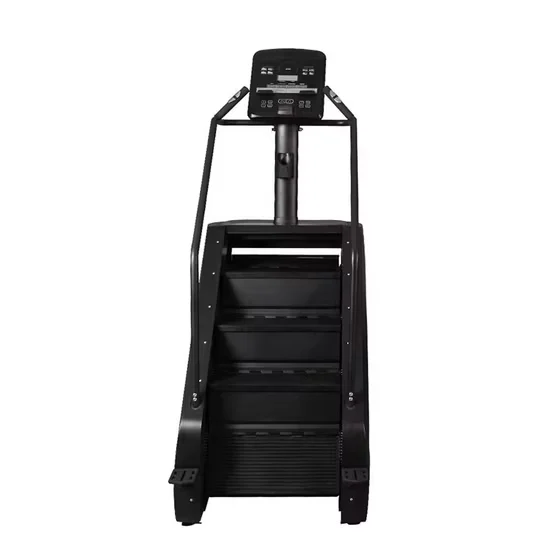
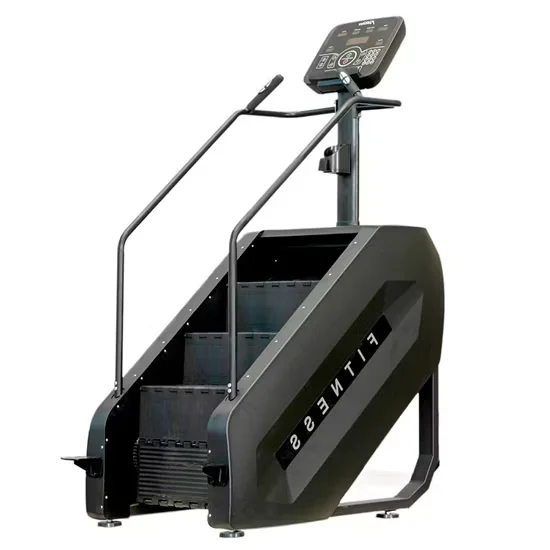
Commercial Stair Climbing Machine, 180kg Max Load, Motor Drive 15-164 Steps/Min — steel pipe frame with 148kg net weight ensures stable operation under continuous high-traffic stepping loads. Motor-driven mechanism delivers consistent resistance without mechanical wear points typical of manual systems. Each unit undergoes load testing before shipment with mill-certified steel specifications traceable to the coil.
// Spec Highlights
• Direct from Manufacturer · No Middlemen · Worldwide Shipping
01
// Material
Imported Solid Wood
Premium hardwood frames sourced for density and visual warmth.
02
// Hardware
Medical-Grade Silent
Whisper-quiet pulleys and springs for clinical environments.
03
// Customization
Appearance OEM
Color, upholstery, and branding tailored to your studio.
04
// Service
Layout Design
Free venue planning for studios and rehab institutions.
Every component is selected for longevity, performance, and aesthetic harmony - from imported hardwood frames to silent medical-grade accessories.
// Features
Motor-Driven Stability Under Continuous Load — The 148kg net weight and steel pipe frame construction prevent lateral shift during sustained commercial stepping sessions at maximum velocity.
| Parameter | Value |
|---|---|
| Product Type | Stair Climbing Machine |
| Model NO. | SQ1017 |
| Frame Material | Steel Pipe |
| Step Material | PP Plastic |
| Max Bear Weight | 180kg |
| Net Weight | 148kg |
| Product Dimensions | 1450 x 820 x 2080 mm |
| Step Area | 560 x 235 x 220 mm |
| Drive Type | Motor Drive |
| Running Velocity | 15–164 steps/minute |
| Power Input | AC220V±10% / AC110V±10% |
| Display Functions | Time, Climb, Calories, Steps, Heart Rate |
| Folded State | Unfolded |
| Certification | CE |
| Condition | New |
| Customization | Available (Color, Logo) |
| Facility Type | Typical Use |
|---|---|
| Commercial Gymnasium | High-traffic cardio zone for sustained endurance conditioning |
| Hotel Fitness Center | Guest-facing cardiovascular training with minimal maintenance demand |
| University Athletic Facility | Pre-season conditioning and recovery-phase low-impact cardio |
| Rehabilitation and Performance Center | Controlled-velocity stepping for progressive load management |
| High-Traffic Athletic Training Facility | Supplemental aerobic capacity development alongside strength programming |
Many stair climbers marketed as commercial grade lack verifiable steel specifications and fail under repeated heavy loading within the first year. Structural failure in stepping equipment begins at the frame joints, not the motor.
Operators report frame flex developing within months when steel pipe gauge is unspecified or substituted with thin-wall alternatives. The stepping mechanism transfers cyclical impact loads directly into the base frame — without adequate wall thickness and continuous weld coverage, stress concentration points emerge at the step arm pivot mounts. [NEED_CITE: structural fatigue in cyclical loading equipment frames]
This commercial stair climbing machine occupies the motor-driven cardio category, providing consistent vertical stepping resistance across a 15 to 164 steps per minute range. The 180kg load capacity accommodates a broad user spectrum, from rehabilitation clients to athletes conducting high-intensity interval protocols. In facility layouts, it pairs with self-powered treadmills and air bikes to diversify movement patterns while maintaining cardiovascular demand. The fixed 1450 x 820 mm footprint requires clear safety perimeters on all sides for user mounting and dismounting.
Stepping equipment experiences combined static and impact loading — each step cycle generates downward force through the step arms while the frame resists lateral torque from alternating leg drive. At 164 steps per minute, the bearing assemblies at pivot points endure continuous rotational stress without relief intervals. The motor drive system eliminates the mechanical wear points typical of manual magnetic resistance systems, but the stepping chain and sprocket assembly require periodic inspection for elongation. Weld joints at the base frame and step arm connections face the highest fatigue accumulation, particularly when users exceed average weight thresholds. [NEED_CITE: bearing life expectancy under continuous industrial cycling]
The steel pipe frame construction determines long-term rigidity — wall thickness and tube diameter directly resist deflection under the 180kg maximum load. Without adequate gauge specification, frames develop visible flex at the upright connections within months of commercial deployment. The motor drive system with adjustable velocity range provides consistent resistance without the mechanical degradation typical of friction-based systems. The 148kg unit weight anchors the machine during high-velocity operation, preventing the lateral shift that compromises user balance and accelerates floor contact wear. Sealed bearing assemblies at pivot points reduce contamination ingress from gym environment dust and sweat, extending service intervals compared to open bushing designs. The PP plastic step surfaces resist compression deformation while providing adequate traction under footwear contact.
Thin-wall steel pipe substituted for adequate gauge specifications leads to progressive frame deformation under commercial loading cycles — visible at upright connections and step arm pivot mounts within the first year. Spot weld construction at high-stress joints cracks under cyclical loading, creating safety liability and requiring complete frame replacement rather than localized repair. Non-sealed bearing assemblies in stepping mechanisms develop play rapidly in high-traffic environments, generating noise complaints and requiring frequent teardown for replacement. Low-density step surface materials compress under repeated contact, creating uneven wear patterns that compromise foot placement stability. Inadequate powder coating thickness exposes bare steel at contact points, accelerating corrosion from sweat and cleaning chemical exposure.
Every commercial stair climbing machine undergoes individual load testing before shipment — not sample-based verification, but unit-specific validation at rated capacity. The steel pipe frame construction uses mill-certified material with traceable sourcing documentation. Robotic MIG welding produces continuous weld lines at all structural joints, eliminating the spot-weld weak points that fail under commercial cycling. The 200μm industrial powder coating provides scratch and chemical resistance across the full frame surface. Our 10-year frame warranty covers structural integrity under normal commercial use conditions. 2D-3D CAD layout support ensures proper spacing between this unit and adjacent equipment, accounting for the 1450 x 2080 mm operational envelope and safe user clearance zones.
Provide your cardio zone dimensions and equipment list to receive 2D-3D layout planning with optimized spacing for this commercial stair climbing machine. Specify average daily user count to confirm structural rating matches your traffic intensity. Indicate target user weight range to verify the 180kg capacity aligns with your membership profile. Customization options include frame color and facility branding integration.
Q: How do I verify the steel pipe frame meets commercial-grade requirements?
A: Request mill certification documentation showing steel grade and wall thickness specifications. Compare the certified gauge against the maximum load rating — adequate wall thickness prevents frame flex under repeated stepping loads. Visual inspection of continuous weld coverage at joint intersections confirms structural integrity beyond spot-weld alternatives.
Q: What maintenance intervals apply to the motor drive stepping mechanism?
A: Sealed bearing assemblies at pivot points require quarterly inspection for play or unusual noise. The motor drive chain and sprocket assembly should be checked for elongation every six months under high-traffic conditions. Unlike manual systems with friction pads, the motor drive eliminates wear components but requires periodic lubrication of the drive chain.
Q: How does the 180kg load capacity compare to typical commercial stair climbers?
A: The 180kg maximum load accommodates the full spectrum of commercial gym users, from rehabilitation clients to heavy athletes. Combined with the 148kg unit weight, this capacity ensures stability during high-velocity operation without lateral shift. Verify your membership weight distribution to confirm this rating covers your user population without approaching the structural limit.
Q: What space planning considerations apply to this stair climbing equipment?
A: The 1450 x 820 x 2080 mm footprint requires additional clearance for safe user mounting and emergency dismounting. Maintain minimum 600 mm perimeter clearance on all sides. In high-traffic facilities, position units with adequate spacing to prevent user interference during peak hours. Request CAD layout support to optimize cardio zone flow and emergency access routes.
Premium aesthetics meet quiet operation for boutique studio environments.
Medical-grade silence and precision for sports & postpartum recovery.
Furniture-grade craftsmanship for premium residential installations.
Compact premium setups for one-on-one and small-group training.
Aesthetic Pilates integration for hybrid wellness studio programming.
Multi-unit deployment with instructor-grade reliability for certification programs.
Tell us about your project. Our team will respond within 24 hours with pricing, customization options, and shipping details.
// Sales Director
William
+86 132 2531 1800
// Export Manager
Bella
+86 198 5412 8032
william@bickfit.com