01 / Scenario
STUDIO
P
High-End Pilates Studios
Premium aesthetics meet quiet operation for boutique studio environments.
ISO
9001
CE
Certified
OEM
Available
10YR
Warranty
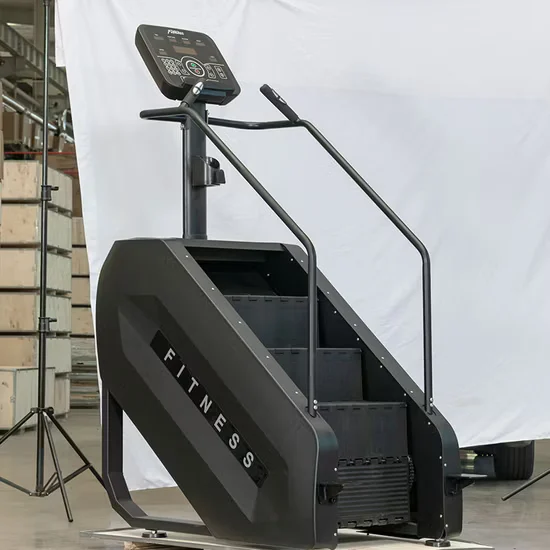
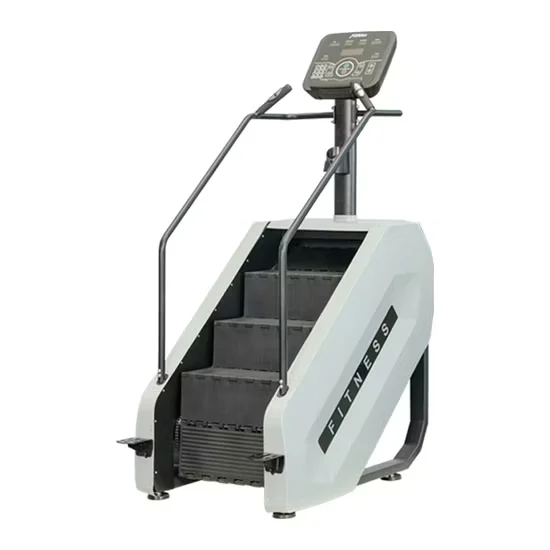
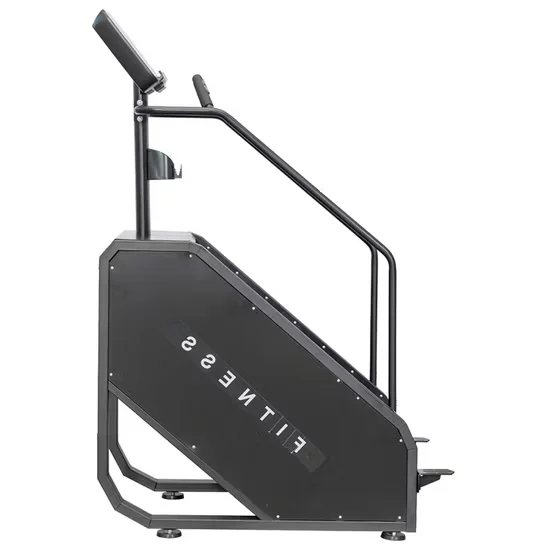
Commercial Stair Stepper, Motor Drive, 164 Steps/Min Max Speed — 148kg net weight with steel pipe frame suppresses vibration during continuous high-traffic operation. Step area 560×235×220mm accommodates varied stride lengths, while integrated console tracks time, calories, steps, and heart rate for member data management. Every unit undergoes full load testing before shipment, backed by a 10-year frame warranty.
// Spec Highlights
• Direct from Manufacturer · No Middlemen · Worldwide Shipping
01
// Material
Imported Solid Wood
Premium hardwood frames sourced for density and visual warmth.
02
// Hardware
Medical-Grade Silent
Whisper-quiet pulleys and springs for clinical environments.
03
// Customization
Appearance OEM
Color, upholstery, and branding tailored to your studio.
04
// Service
Layout Design
Free venue planning for studios and rehab institutions.
Every component is selected for longevity, performance, and aesthetic harmony - from imported hardwood frames to silent medical-grade accessories.
// Features
Motor-Driven Stability — The 148kg net weight and steel pipe frame suppress resonance during continuous high-speed stepping, ensuring reliable operation in high-traffic gym environments.
| Parameter | Value |
|---|---|
| Product Type | Stair Stepper / Step Mill |
| Drive Type | Motor Drive |
| Mains Input | AC220V±10% / AC110V±10% |
| Running Velocity | 15 – 164 steps/Minute |
| Step Area | 560 × 235 × 220 mm |
| Product Dimensions | 1450 × 820 × 2080 mm |
| Net Weight | 148 kg |
| Console Display (OSD) | Time, Climb, Calories, Steps, Heart Rate |
| Material | Steel Pipe + PP Plastic |
| Folded | Unfolded |
| Certification | CE |
| Condition | New |
| Facility Type | Typical Use |
|---|---|
| Commercial gymnasium | High-traffic cardio floor, peak-hour continuous operation |
| Hotel and resort fitness center | Guest-facing aerobic conditioning area |
| University athletic department | Strength and conditioning room for team preparation |
| CrossFit box | Functional warm-up and metabolic conditioning zone |
Many stair steppers marketed for fitness centers avoid disclosing frame wall thickness and motor duty cycle — leaving operators to discover vibration, overheating, and pedal instability only after months of heavy use. A commercial stair stepper for fitness centers must demonstrate verifiable structural mass and motor endurance, not just a label.
The steel pipe frame and 148kg net weight of this unit are not arbitrary — they directly counteract the lateral oscillation that occurs when pedals cycle at 164 steps per minute under repeated user loads. Without adequate frame mass and tube wall thickness, the chassis resonates, fasteners loosen, and console mounting points develop play. [NEED_CITE: structural vibration damping requirements for motor-driven fitness equipment]
This stair stepper occupies the high-intensity aerobic quadrant of a commercial gym’s cardio zone, complementing self-powered treadmills and air bikes that serve different energy systems. The motor-driven step mechanism delivers a consistent climbing motion across the full 15–164 steps/minute range, accommodating users from warm-up pace to threshold effort. The 560 × 235 mm step area provides sufficient platform dimensions for varied stride lengths, reducing joint misalignment during extended sessions. For a commercial stair stepper for fitness centers, this versatility supports high user turnover across different fitness levels.
Commercial stair steppers face a unique combination of static load, cyclic impact, and eccentric forces — each pedal revolution transfers user body weight through the step mechanism while lateral foot placement introduces off-axis torque. At 164 steps per minute over an 8-hour operating day, the step chain, pedal bearings, and motor coupling endure millions of load cycles annually. The steel pipe frame must resist cumulative fatigue at welded joints, particularly where the upright columns meet the base structure. Motor thermal management becomes critical: sustained operation without adequate heat dissipation leads to winding insulation degradation and eventual failure. [NEED_CITE: fatigue life considerations for welded steel structures under cyclic loading]
The steel pipe frame and PP plastic construction reflect a deliberate balance between structural rigidity and component weight distribution. The 148kg net weight is achieved through sufficient tube wall thickness in the main uprights and base frame — this mass directly dampens vibration during high-speed stepping and prevents the unit from shifting on the floor without anchoring. The motor drive system, rated for AC220V or AC110V input, must sustain continuous torque output across the full speed range without thermal cutoff. The 560 × 235 × 220 mm step area dimensions determine the mechanical leverage on pedal pivot points; larger platforms increase bending moments on the step chain and sprocket assembly. The console integrates time, climb distance, calories, step count, and heart rate monitoring — these telemetry functions require stable mounting to prevent display fatigue cracks from chassis vibration.
A thinner-walled steel frame may look identical externally but will flex visibly under a 100kg user at maximum stepping speed — this deflection accelerates wear on pedal linkages and creates an unstable platform that discourages repeat use. Non-sealed pedal bearings exposed to gym floor dust and sweat contamination develop play within months, producing noise and requiring premature replacement. A motor undersized for continuous commercial duty will overheat and trip thermal protection during peak hours, creating member frustration and service calls. Low-grade powder coating on high-contact handrail areas chips quickly, exposing bare steel to corrosion from sweat and cleaning chemicals. These failures compound: vibration loosens fasteners, misaligned pedals stress the drive chain, and the entire unit requires shutdown for repair. [NEED_CITE: maintenance cost implications of component specification in commercial fitness equipment]
The steel pipe frame is manufactured from mill-certified material with traceable grade specifications, ensuring consistent mechanical properties across production batches. Robotic MIG welding produces continuous weld seams along all structural joints, eliminating the spot-weld weak points that crack under cyclic loading. Every unit undergoes load testing before shipment — not sample-based inspection — verifying that the frame, pedals, and motor mounting withstand rated operating conditions. The 200μm industrial powder coating provides scratch and chemical resistance across all exposed steel surfaces, maintaining appearance under daily cleaning protocols. For a commercial stair stepper for fitness centers, the 1450 × 820 × 2080 mm footprint and required safety clearances are factored into 2D-3D CAD floor planning support, ensuring proper spacing between units and compliance with access pathways. OEM customization options allow facility-specific color matching and branding integration.
Provide your cardio zone floor area and target equipment count to receive a 2D-3D layout plan with optimized spacing and traffic flow. Share your average daily user volume and peak-hour duration to confirm that the motor duty cycle matches your operational profile. Indicate your typical user height range to verify that the step area dimensions and handrail positioning accommodate your membership. For multi-unit deployments, specify any color or branding customization requirements for consistent facility aesthetics.
Q: How do I determine whether a stair stepper meets genuine commercial-grade standards?
A: Examine the frame construction — commercial units use thick-walled steel pipe with sufficient net weight to suppress vibration at maximum speed. Verify that the motor is rated for continuous duty, not intermittent use. Check whether pedal bearings are sealed against contamination. Request documentation of load testing on every unit, not just sample inspection.
Q: What is the difference between motor-driven and self-generated drive systems for commercial use?
A: Motor-driven stair steppers provide consistent stepping speed regardless of user effort, requiring external power but delivering predictable resistance curves. Self-generated units use the user’s downward force to drive the step mechanism, eliminating electrical requirements but producing speed that varies with effort. Motor-driven systems suit facilities prioritizing controlled workout intensity; self-generated models fit locations with limited power access.
Q: How does step speed range affect training outcomes on a commercial stair stepper?
A: The 15–164 steps/minute range accommodates low-intensity warm-up sessions through high-output metabolic conditioning. Lower speeds allow users to focus on form and controlled movement; higher speeds increase cardiovascular demand and calorie expenditure. The motor drive maintains consistent cadence across this range, unlike user-powered systems where speed fluctuates with effort.
Q: What are the key maintenance priorities for a motor-driven stair stepper in a high-traffic gym?
A: Inspect pedal pivot bearings for play and lubricate at recommended intervals — contaminated bearings are the most common failure point. Check step chain tension and adjust if elongation occurs. Monitor motor cooling airflow and clear dust from ventilation paths. Verify console mounting fasteners remain tight, as vibration can loosen them over time. Clean powder-coated surfaces regularly to prevent sweat corrosion.
Q: How should multiple stair steppers be spaced in a commercial gym layout?
A: Each unit requires the full 1450 × 820 mm footprint plus minimum 600mm clearance behind for safe dismount and 900mm side clearance for user access and emergency egress. Arrange units in rows with aligned consoles for visual consistency and instructor sightlines. Ensure adequate electrical outlet placement for each motor-driven unit and verify floor load capacity for the combined static and dynamic weight.
Premium aesthetics meet quiet operation for boutique studio environments.
Medical-grade silence and precision for sports & postpartum recovery.
Furniture-grade craftsmanship for premium residential installations.
Compact premium setups for one-on-one and small-group training.
Aesthetic Pilates integration for hybrid wellness studio programming.
Multi-unit deployment with instructor-grade reliability for certification programs.
Tell us about your project. Our team will respond within 24 hours with pricing, customization options, and shipping details.
// Sales Director
William
+86 132 2531 1800
// Export Manager
Bella
+86 198 5412 8032
william@bickfit.com