01 / Scenario
STUDIO
P
High-End Pilates Studios
Premium aesthetics meet quiet operation for boutique studio environments.

ISO
9001
CE
Certified
OEM
Available
10YR
Warranty
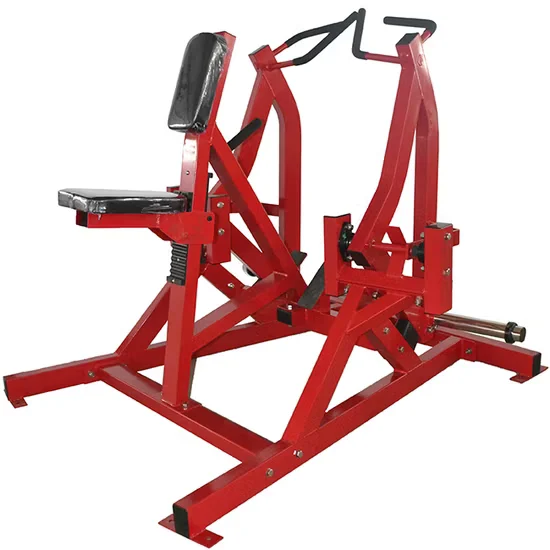
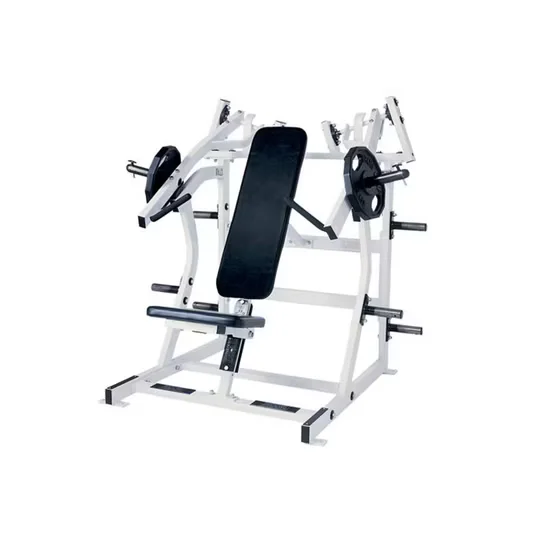
SRH-72 Power Squat Machine, 50×100×3mm Frame Tube, 170kg Unit Weight — the 3mm wall thickness resists frame flex under heavy eccentric loading, while the 170kg mass delivers inherent floor stability without mandatory anchoring. CE and ISO9001 certifications validate structural compliance for high-traffic commercial use. Every unit undergoes individual load testing before shipment to confirm frame and weld integrity.
// Spec Highlights
• Direct from Manufacturer · No Middlemen · Worldwide Shipping
01
// Material
Imported Solid Wood
Premium hardwood frames sourced for density and visual warmth.
02
// Hardware
Medical-Grade Silent
Whisper-quiet pulleys and springs for clinical environments.
03
// Customization
Appearance OEM
Color, upholstery, and branding tailored to your studio.
04
// Service
Layout Design
Free venue planning for studios and rehab institutions.
Every component is selected for longevity, performance, and aesthetic harmony - from imported hardwood frames to silent medical-grade accessories.
// Features
Mill-Certified Steel — SRH-72 frame tubes traceable to the coil, ensuring wall thickness consistency under heavy compound loading.
| Parameter | Value |
|---|---|
| Designation | SRH-72 |
| Product Type | Power Squat |
| Frame Tube Size | 50×100×3mm rectangular |
| Machine Weight | 170 kg |
| Product Dimensions | 1550×1480×1825 mm |
| Material | Iron (Q235 / Q345 grade options) |
| Loading Type | Plate Loaded |
| Powder Coating | 200μm scratch-resistant finish |
| Color | Customized |
| Upholstery | Commercial-grade, replaceable |
| Certification | RoHS, ISO 9001, CE |
| Warranty | 10-year frame |
| Facility Type | Typical Use |
|---|---|
| Commercial gym strength floor | High-repetition squat stations for general membership |
| CrossFit box functional zone | Heavy compound loading in open training areas |
| Hotel fitness center | Space-constrained layouts requiring a compact footprint |
| University strength and conditioning room | Athletic program squat training across diverse body types |
| Rehabilitation and performance center | Controlled eccentric and concentric loading protocols |
A verified 3mm wall on 50×100mm tubing establishes a deformation threshold that thin-wall alternatives simply cannot reach.
Most squat machines marketed as "commercial-grade" omit any verifiable wall thickness. When a 2mm tube flexes under a loaded barbell, the user feels frame sway — and confidence drops. The SRH-72 commercial power squat machine SRH-72 eliminates that uncertainty. The 170 kg machine mass anchors the unit during offset or unilateral loading, so bolt-down anchoring is rarely needed on standard concrete slabs. Continuous robotic MIG welding replaces the spot welds that crack along high-stress joints after months of heavy use [NEED_CITE: weld classification and fatigue performance in structural steel].
This plate loaded power squat targets the quadriceps, glutes, and posterior chain through a converging movement arc. It pairs naturally with hack squat and leg press stations to cover the full spectrum of lower-body compound patterns. The 1550×1480 mm footprint allows placement in high-density commercial floors without sacrificing safe clearance between adjacent stations. Users ranging from compact to tall frames can load the unit comfortably given the open entry design.
The SRH-72 endures static holds at the bottom of each rep, impact when plates are loaded or unloaded, and eccentric stress during controlled descents. In a gym serving hundreds of members daily, fatigue cycles accumulate rapidly at the junction where the back pad mounts to the frame. Continuous welds distribute this load across a broader area, reducing the stress concentration that causes spot welds to fail. The 200μm powder coat resists chipping at plate contact points, where sweat and dropped weights combine to accelerate corrosion [NEED_CITE: EN 957 structural requirements for stationary training equipment].
The 50×100×3mm rectangular tube provides a wide base dimension that resists torsional twist during off-center loading — a common failure mode in narrower profiles. A 3mm wall thickness ensures the tube maintains its cross-section shape rather than ovalizing under sustained compressive force. Robotic MIG welding creates a continuous bead along critical joints, eliminating the cold starts and incomplete penetration typical of manual spot welding. The 170 kg net weight is not accidental; it provides a low center of gravity and inherent lateral stability, reducing floor anchoring requirements. The 200μm powder coating, applied over sandblasted steel, bonds at a depth that resists flaking even when plates scrape the uprights.
A 2mm wall tube may save material cost at purchase, but under repeated heavy loading it deforms permanently, requiring frame replacement within a few years. Spot-welded joints that look acceptable on inspection day develop hairline cracks once real users cycle the machine thousands of times. Non-sealed bearings at pivot points accumulate chalk dust and sweat, creating play that transfers uneven force to the frame. Low-density upholstery compresses and splits, forcing gym operators into repeated pad replacements. Thin powder coating chips at contact zones, exposing bare steel to humidity and sweat that accelerate rust formation [NEED_CITE: powder coating adhesion and corrosion resistance standards].
Every SRH-72 begins with mill-certified Q235 or Q345 steel, traceable from coil to finished frame. Robotic MIG welding runs continuous beads on every structural joint, verified through visual and dimensional QC inspection. Each unit undergoes load testing before crating — not sample-based batch inspection, but individual verification. The 200μm industrial powder coat is sandblast-prepped for long-term adhesion in humid gym environments. The 10-year frame warranty backs this structural commitment. CAD-based floor planning support ensures the 1550×1480 mm footprint is placed with safe clearance zones around the user entry and plate-loading sides. Color customization integrates with facility branding without compromising coating thickness.
Share your strength zone dimensions and current equipment list to receive 2D-3D floor planning with clearance overlays. Specify your average daily user volume so the structural grade matches actual traffic. Confirm the body-type range of your membership to validate entry and loading ergonomics. Outline any color, logo, or upholstery customization requirements for cohesive facility branding.
Q: How do I verify a power squat frame is genuinely commercial-grade?
A: Request mill-certified steel documentation showing exact tube dimensions and wall thickness. A 50×100×3mm specification is measurable and verifiable, unlike vague "commercial-grade" claims. Check whether load testing is performed on each unit or only on random batch samples. Confirm the welding method is continuous MIG rather than spot welding at critical joints.
Q: What frame dimensions are necessary for heavy-load squat machines?
A: Rectangular tubing of at least 50×100mm with a 3mm wall provides the cross-sectional area needed to resist torsional deformation under offset loading. Thinner profiles or reduced wall thickness allow frame sway during heavy sets. The overall machine weight should exceed 150 kg to maintain stability without mandatory floor anchoring in standard commercial environments.
Q: How does machine weight affect stability and anchoring requirements?
A: A 170 kg unit has sufficient mass to resist lateral shift during unilateral or off-center loading. Lighter machines require bolt-down anchoring to concrete, which limits layout flexibility and complicates future reconfiguration. Heavier frames with a low center of gravity stay planted during dynamic movements, reducing both safety risk and floor damage from shifting equipment.
Q: What clearance standards apply when placing a power squat in a strength zone?
A: Minimum 600 mm clearance is recommended on the loading side for plate handling, with equal spacing behind the unit for user exit. Adjacent stations should be positioned so that loaded barbell ends do not encroach into neighboring workout areas. CAD-based floor planning helps validate these zones before equipment is physically installed.
Q: What warranty and replacement terms should commercial buyers expect?
A: A 10-year frame warranty signals confidence in structural integrity under daily commercial use. Confirm that replacement upholstery pads, bearings, and hardware remain available for the product lifecycle. Verify whether the warranty covers weld failures and frame deformation separately from cosmetic coating wear.
Premium aesthetics meet quiet operation for boutique studio environments.
Medical-grade silence and precision for sports & postpartum recovery.
Furniture-grade craftsmanship for premium residential installations.
Compact premium setups for one-on-one and small-group training.
Aesthetic Pilates integration for hybrid wellness studio programming.
Multi-unit deployment with instructor-grade reliability for certification programs.
Tell us about your project. Our team will respond within 24 hours with pricing, customization options, and shipping details.
// Sales Director
William
+86 132 2531 1800
// Export Manager
Bella
+86 198 5412 8032
william@bickfit.com