Cable Station Preventive Maintenance Schedule & Parts Supplier
Silent operation does not mean safe operation.
A robust Preventive Maintenance Schedule for Cable Station equipment is the single most effective strategy to prevent revenue loss from unexpected downtime, ensuring that wear is identified and addressed before catastrophic failure occurs.
I still remember the smell of burnt rubber and the silence in a boutique studio in Las Vegas. It was not the peaceful quiet of a meditation class, but the heavy, expensive silence of a broken cable crossover. The owner was standing next to the machine, holding a frayed steel cable that had snapped during a peak-hour session. He wasn’t angry at the member who was using it; he was furious at the calendar. The original equipment manufacturer required six weeks for shipping a replacement part from overseas. For fourteen days, that prime floor space generated zero revenue, while members complained about the limited workout options. That incident shifted my perspective entirely. I stopped looking at maintenance as a chore and started viewing it as a financial safeguard. In commercial fitness, the true cost of a cable station is not its purchase price, but the risk of it sitting idle. [NEED_CITE: average cost of gym equipment downtime per day]
Understanding why these machines fail requires looking beyond the obvious. Most gym owners wait for a noise or a visible break before acting. By then, the damage is done. Implementing a structured Preventive Maintenance Schedule for Cable Station units allows facility managers to predict wear patterns, manage inventory proactively, and keep their facilities running smoothly.
Why Do Cable Stations Fail Prematurely?
The majority of cable station failures are not sudden accidents; they are the final result of long-term, invisible degradation. The core issue lies in the interaction between the steel cable and the pulley system. When a user pulls the handle, the cable bends around the pulley. Over thousands of repetitions, this bending creates metal fatigue. If the pulley bearings are dry or contaminated, the friction increases, generating heat that weakens the cable strands from the inside out. [NEED_CITE: mechanics of wire rope fatigue and pulley friction]
Another critical factor is misalignment. In high-traffic gyms, users often pull cables at awkward angles. If the carriage guide rods are not perfectly vertical or if the pulleys are not aligned with the cable path, the cable rubs against the side of the pulley groove or the frame itself. This lateral abrasion cuts through the protective coating and eventually severs the steel wires. I have seen cables that looked intact from a distance but were actually reduced to a fraction of their original strength due to internal fraying caused by poor alignment.
Environmental factors also play a significant role. In coastal areas or hotels with high humidity, corrosion can accelerate the weakening of steel components. Even in climate-controlled environments, sweat and cleaning chemicals can accumulate in the pulley axles, creating a corrosive paste that eats away at the metal. Ignoring these subtle signs leads to premature failure. A well-designed Preventive Maintenance Schedule for Cable Station equipment addresses these hidden risks by focusing on the root causes rather than just the symptoms.
The Critical Inspection Checklist
To effectively prevent downtime, inspections must be systematic and frequent. A haphazard glance is not enough. The inspection process should be divided into daily visual checks and deeper monthly technical assessments. This tiered approach ensures that major issues are caught early while minor adjustments are made regularly.
| Inspection Frequency | Component Focus | Action Required | Wear Indicator |
|---|---|---|---|
| Daily | Cables and Handles | Visual scan for fraying | Broken strands, kinks, or exposed core |
| Weekly | Pulleys and Bearings | Listen for noise, check rotation | Grinding sounds, stiffness, or wobble |
| Monthly | Guide Rods and Carriage | Clean and lubricate | Resistance during movement, dirt buildup |
| Quarterly | Weight Stack and Pins | Verify alignment and integrity | Bent pins, cracked weight plates, misalignment |
Daily checks should take less than two minutes. Staff should look for any visible breaks in the cable strands, particularly near the swaged ends where the cable attaches to the handle or weight stack. Even a single broken wire is a red flag that requires immediate attention. [NEED_CITE: industry standard for wire rope rejection criteria]
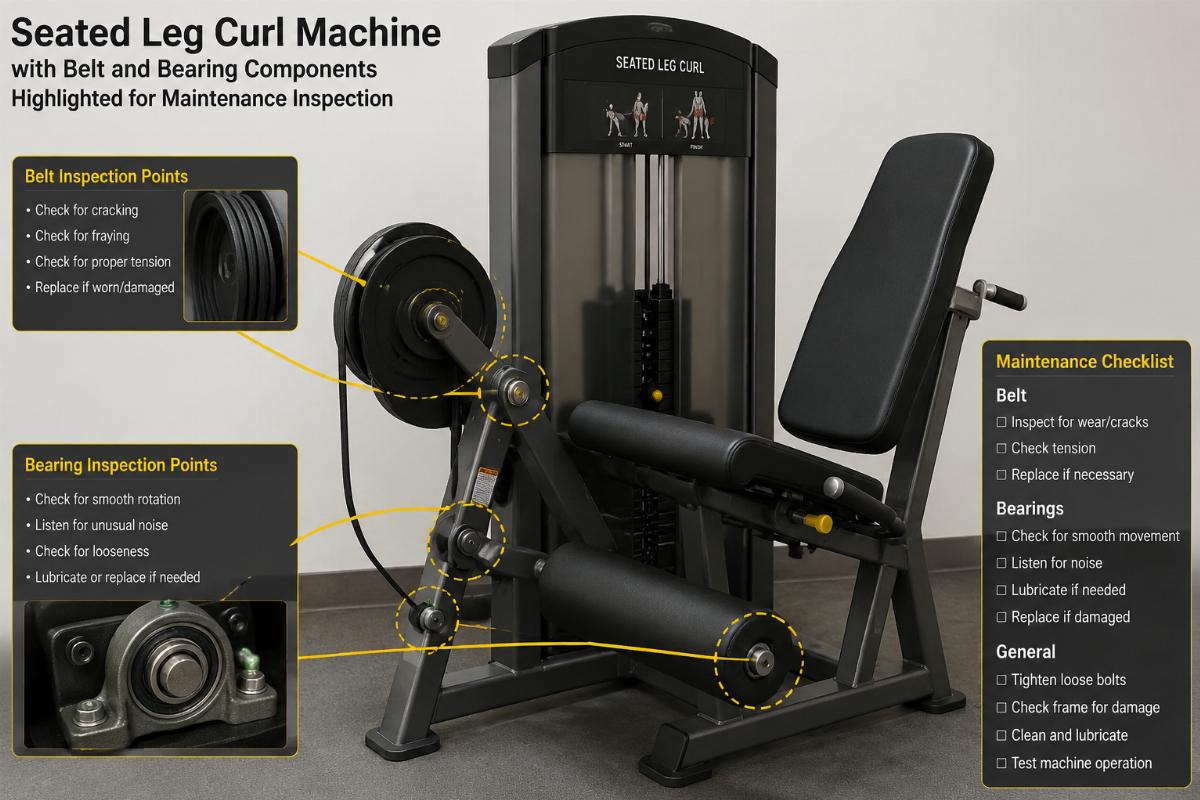
Weekly inspections require a bit more hands-on engagement. Technicians should rotate each pulley by hand to feel for roughness or resistance. A smooth pulley should spin freely and silently. Any grinding sensation indicates that the bearings are failing or that debris has entered the housing. At this stage, cleaning and lubricating the pulley axles can often restore smooth operation and prevent further damage to the cable.
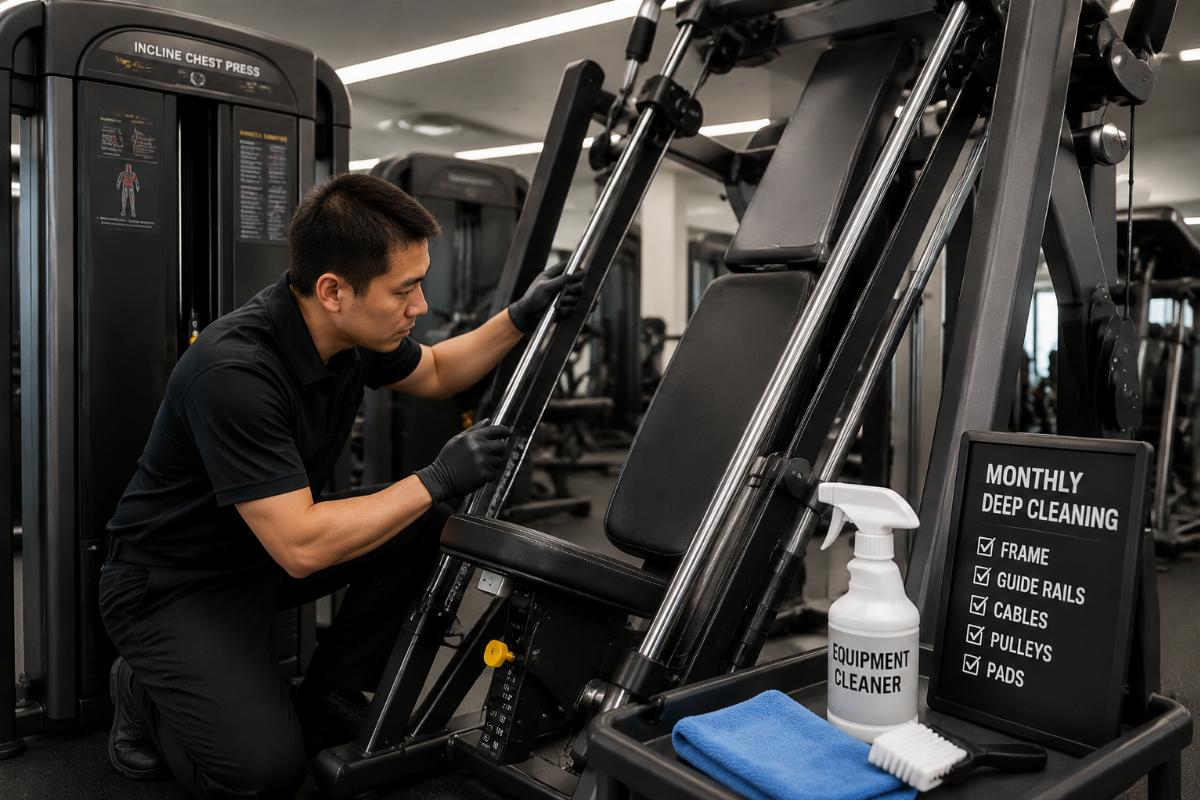
Monthly maintenance involves a deeper dive into the mechanical structure. The guide rods that keep the weight stack moving vertically must be cleaned of old grease and dust, then re-lubricated with a suitable silicone-based lubricant. Dry rods cause the carriage to jerk, which puts sudden shock loads on the cable. Additionally, the alignment of the pulleys should be checked to ensure they are parallel to the cable path. Misaligned pulleys are a leading cause of uneven wear. Following a strict Preventive Maintenance Schedule for Cable Station systems ensures that these critical tasks are never overlooked.
Spare Parts Strategy: Avoiding Weeks of Downtime
Having a maintenance schedule is only half the battle. The other half is having the parts ready when you need them. The Las Vegas incident taught me that relying solely on the original manufacturer for spare parts is a risky strategy for any commercial facility. Shipping delays, customs hold-ups, and backorders can leave a gym without essential equipment for weeks.
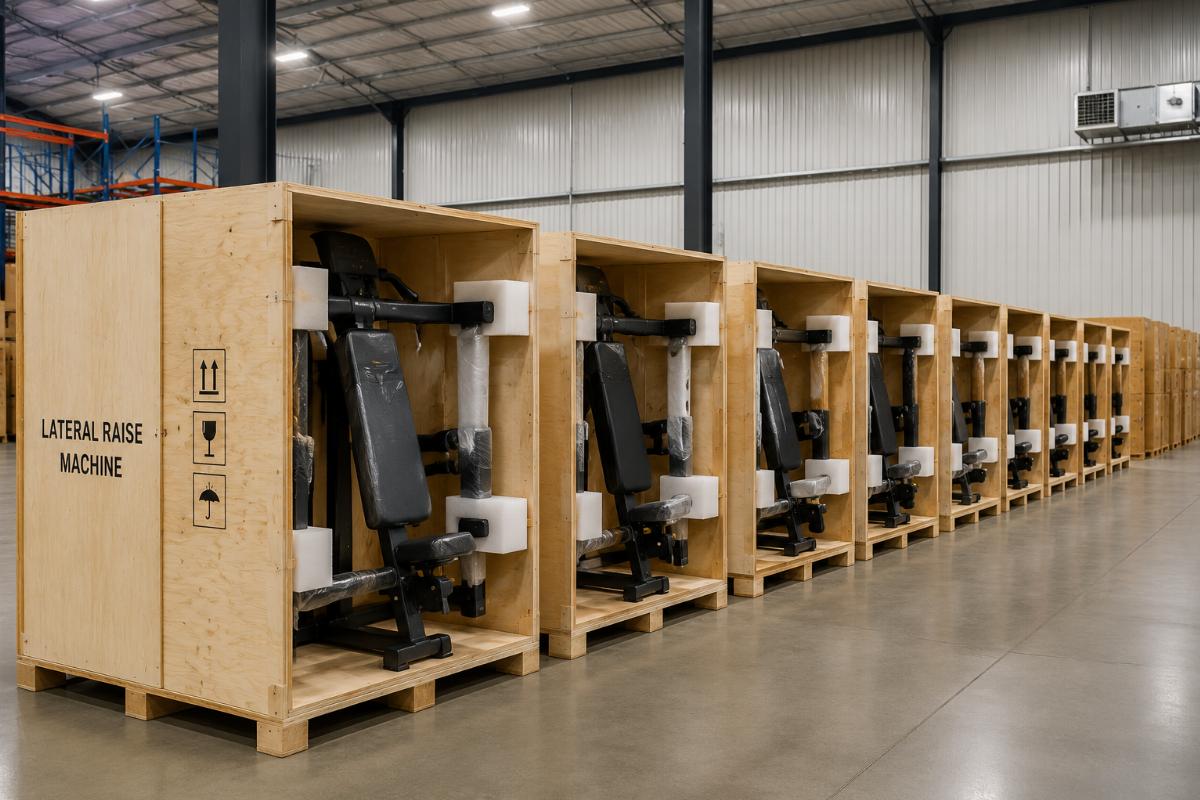
A smart spare parts strategy involves maintaining a minimal inventory of high-wear components on-site. This does not mean stocking entire machines, but rather keeping a supply of cables, pulleys, bearings, and guide rod bushings. These items are relatively inexpensive compared to the revenue lost during downtime. By having these parts on hand, a technician can perform a repair in hours rather than waiting months for a shipment.
It is also crucial to source compatible, high-durability parts from reliable suppliers. While OEM parts are often recommended for warranty purposes, third-party manufacturers who specialize in commercial fitness equipment can offer components that meet or exceed original specifications. The key is to verify the material quality and construction standards. For instance, cables should be made from high-tensile steel with proper swaging techniques to ensure safety. [NEED_CITE: tensile strength requirements for fitness equipment cables]
When selecting a supplier, consider their lead times and logistical capabilities. A supplier who can ship parts quickly from a strategic location can be a lifeline during an emergency. This is where partnering with a manufacturer like Bick becomes advantageous. With production facilities in Shandong and experience serving clients across multiple regions, Bick understands the urgency of commercial operations. Their ability to provide compatible, heavy-duty spare parts with faster lead times than many premium brands ensures that business continuity is maintained. This approach transforms spare parts from a reactive expense into a proactive asset. A comprehensive Preventive Maintenance Schedule for Cable Station units must include a clear plan for parts procurement and inventory management.
Training Staff for Daily Checks
Even the best maintenance schedule fails if the people on the floor are not engaged. Gym trainers and front-desk staff are the eyes and ears of the facility. They interact with the equipment every day and are often the first to notice subtle changes in performance. Empowering them to spot early warning signs is a cost-effective way to enhance safety and reliability.
Training should focus on simple, observable indicators rather than complex mechanical diagnostics. Staff should be taught to listen for unusual noises, such as squeaking or grinding, which indicate lubrication issues. They should also be trained to look for visual cues like frayed cables or loose bolts. A simple checklist can be provided to staff, allowing them to report issues immediately through a digital log or maintenance app.
Creating a culture of ownership is essential. When staff understand that their observations directly impact member safety and gym revenue, they become more vigilant. Regular briefings can reinforce the importance of these checks. For example, sharing stories of how a small observation prevented a major breakdown can motivate the team. This human element complements the technical aspects of the Preventive Maintenance Schedule for Cable Station equipment, creating a holistic approach to facility management.
Conclusion
Prevention is always cheaper than reaction.
Implementing a rigorous Preventive Maintenance Schedule for Cable Station equipment protects your investment and ensures a seamless experience for your members. By understanding the hidden wear patterns, adhering to a structured inspection checklist, maintaining a strategic spare parts inventory, and training your staff, you can minimize downtime and maximize revenue. The goal is not just to fix machines when they break, but to keep them running so well that they rarely need urgent repair.