01 / Scenario
STUDIO
P
High-End Pilates Studios
Premium aesthetics meet quiet operation for boutique studio environments.

ISO
9001
CE
Certified
OEM
Available
10YR
Warranty
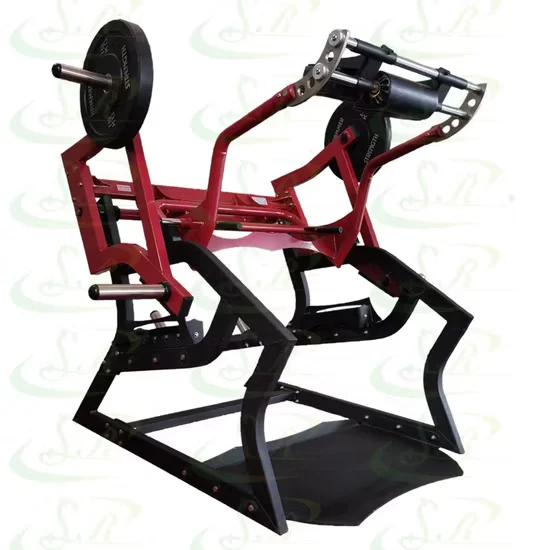
Adjustable Abdominal Board, 1400×680×600mm, 48kg Net Weight — engineered with industrial steel frame and adjustable incline mechanism for progressive core training intensity. Upholstery density and foam thickness selected for high-traffic commercial environments with replacement cushions available. Every unit undergoes load testing before shipment, backed by 10-year frame warranty and factory-direct floor planning support.
// Spec Highlights
• Direct from Manufacturer · No Middlemen · Worldwide Shipping
01
// Material
Imported Solid Wood
Premium hardwood frames sourced for density and visual warmth.
02
// Hardware
Medical-Grade Silent
Whisper-quiet pulleys and springs for clinical environments.
03
// Customization
Appearance OEM
Color, upholstery, and branding tailored to your studio.
04
// Service
Layout Design
Free venue planning for studios and rehab institutions.
Every component is selected for longevity, performance, and aesthetic harmony - from imported hardwood frames to silent medical-grade accessories.
// Features
Steel Traceability — Every millimeter of the 11-gauge frame is traceable to the Q235 steel coil it was cut from.
| Parameter | Value |
|---|---|
| Product Type | Abdominal Trainer |
| Product Dimensions | 1400×680×600mm |
| Net Weight | 48kg |
| Frame Steel | 11-gauge, Q235 industrial steel |
| Main Frame Color | Available in standard commercial colorways or custom RAL |
| Cushion Color | Available in standard vinyl or custom high-density options |
| Adjustment Mechanism | Multi-position incline ladder |
| Upholstery | Commercial-grade vinyl, high-density foam core |
| Powder Coating | 200μm scratch-resistant industrial finish |
| Welding Type | Robotic MIG, continuous weld lines |
| Certification | ISO 9001:2015, CE |
| Warranty | 10-year frame warranty |
| OEM/ODM | Acceptable |
| Facility Type | Typical Use |
|---|---|
| Commercial gym strength floor | Dedicated core training station between rack and cable zones |
| Hotel fitness center | Space-efficient abdominal trainer for compact fitness rooms |
| University strength and conditioning room | High-volume core work for athletic team circuits |
| Community fitness center | Durable, low-maintenance abdominal station for general membership |
| Rehabilitation and performance center | Controlled incline core activation for return-to-play protocols |
A split cushion is not a cosmetic issue — it is a liability that exposes bare steel to user contact.
I learned this the hard way. Years ago, while sourcing for a gym chain in the Middle East, we spec’d an adjustable abdominal board with low-density foam padding to hit a price point. Within three months of daily commercial use, the seat cushion had collapsed flat. Users were grinding their hip flexors against the steel frame, and the client demanded a full replacement batch. The cost was not saved; it was simply transferred to our reputation. [NEED_CITE: commercial upholstery density standards for high-traffic fitness equipment]
When evaluating a commercial adjustable abdominal board, the foam density and vinyl tensile strength determine whether the pad survives six months or six years of constant sweat exposure, repetitive mounting and dismounting, and chemical cleaner contact. A pad that compresses beyond recovery creates a pressure point that users will avoid, leaving the station underutilized.
This abdominal trainer occupies the transitional zone between free weight platforms and cable stations, serving as a dedicated core isolation point. It pairs naturally with rotary torso machines and back extension benches to create a complete trunk conditioning cluster. The 1400mm length and 680mm width allow placement along perimeter walls or as an inline station without disrupting primary traffic lanes. The multi-position incline ladder accommodates users ranging from novice members performing basic crunches to athletes executing weighted decline work, making the commercial adjustable abdominal board suitable for facilities with highly varied membership demographics.
Every time a user adjusts the board angle or mounts the decline position, the ladder hook and frame cross-member absorb an impact load. Over thousands of daily adjustment cycles across a membership base, these contact points experience repeated stress concentration. Continuous MIG welds along the ladder bracket distribute this force across a broader surface area, whereas spot welds create isolated failure nodes that crack progressively. [NEED_CITE: fatigue failure patterns in welded steel fitness equipment frames] The vinyl upholstery also endures abrasion at the hip contact zone, where repetitive mounting scrapes against the same seam line hundreds of times per day.
The 11-gauge Q235 steel frame provides a deformation threshold far beyond what typical bodyweight core training demands, ensuring the main tube does not flex or develop permanent set even under weighted decline sit-ups with external load. Robotic MIG welding produces*ting the cold joints and incomplete fusion that plague manual spot-welded assemblies. The 200μm powder coating thickness creates a barrier against sweat-induced corrosion at the high-contact hip and grip zones, where thinner coatings chip and expose bare substrate. Multi-position incline adjustment allows angle changes that progressively increase resistance without requiring external weight plates, simplifying the user experience and reducing loose equipment on the floor.
A frame built from thinner-gauge tube may pass initial visual inspection but will deflect noticeably when a heavier user performs weighted decline work, creating an unsettling flex that signals poor construction to the end user. Spot-welded ladder brackets eventually crack at the toe of the weld, rendering the adjustment mechanism unsafe and requiring full frame replacement rather than simple repair. Low-density foam cores compress to a fraction of their original thickness within months, exposing the steel support plate beneath and generating user complaints about bruising and discomfort. [NEED_CITE: lifecycle cost comparison of commercial gym upholstery replacement intervals] When the coating thickness falls below industrial standards, sweat penetration initiates subsurface corrosion that bubbles through the finish, making the equipment look neglected and accelerating the replacement cycle.
The 11-gauge steel specification is not a marketing claim — every coil carries mill certification traceable to its origin, so you can verify the material grade independently. Robotic MIG welding ensures that the continuous weld lines on this abdominal trainer are identical across every production unit, not dependent on the skill variation of individual welders. Each unit undergoes load testing before crating, meaning the ladder hook engagement and frame rigidity are verified under physical stress, not just assumed from sample-based QC. [NEED_CITE: factory load testing protocols for commercial strength equipment] The 200μm industrial powder coating is applied over sandblasted substrate, creating mechanical adhesion that resists chipping at the hip contact and grip zones where abrasion is constant. The 10-year frame warranty reflects confidence in the structural design, and our CAD floor planning support ensures the 1400×680mm footprint is positioned with correct safety clearance from adjacent stations.
Provide your core training zone dimensions and current equipment schedule so we can generate a 2D or 3D floor plan showing the abdominal trainer positioned with correct safety clearances and traffic flow. Specify your average daily user volume and primary membership demographic so we can confirm the structural grade and incline range match your usage pattern. Detail any OEM requirements including frame color, cushion vinyl color, and logo placement so the production team can prepare accurate samples.
Q: How do I distinguish a commercial-grade abdominal board from a light-commercial one?
A: Inspect the steel gauge specification — commercial units use 11-gauge tube with mill certification, while light-commercial often uses thinner wall thickness without verifiable documentation. Check the welding method; continuous robotic MIG welds indicate commercial construction, whereas visible spot welds suggest lighter-duty assembly. Request the load test record and warranty terms; commercial equipment carries a decade-long frame warranty backed by individual unit testing.
Q: What is the relationship between frame gauge and load capacity on core trainers?
A: Frame gauge directly determines the deflection threshold under user weight plus any external load applied during weighted decline exercises. An 11-gauge steel tube resists bending and permanent deformation under repeated loading cycles, maintaining structural alignment over years of use. Thinner gauges may support the static load initially but develop visible flex and fatigue cracking at weld joints under the dynamic forces of repetitive sit-up and crunch movements.
Q: How often does upholstery need replacement in a high-traffic facility?
A: Replacement intervals depend entirely on foam density and vinyl specification rather than a fixed timeline. High-density foam cores maintain their compression recovery for years under daily use, while low-density foam collapses and exposes the steel support plate within months. Vinyl with reinforced stitching and adequate thickness resists seam splitting from sweat exposure and repetitive mounting abrasion, extending the service interval meaningfully.
Q: What clearance spacing is required around an adjustable abdominal board?
A: Minimum lateral clearance of 600mm on each side allows users to mount and dismount safely without contacting adjacent equipment. The 1400mm board length requires additional clearance at the head end for users performing full-range decline movements. Your equipment supplier should provide CAD layout drawings that position the station within your floor plan, accounting for traffic flow patterns and emergency access routes.
Premium aesthetics meet quiet operation for boutique studio environments.
Medical-grade silence and precision for sports & postpartum recovery.
Furniture-grade craftsmanship for premium residential installations.
Compact premium setups for one-on-one and small-group training.
Aesthetic Pilates integration for hybrid wellness studio programming.
Multi-unit deployment with instructor-grade reliability for certification programs.
Tell us about your project. Our team will respond within 24 hours with pricing, customization options, and shipping details.
// Sales Director
William
+86 132 2531 1800
// Export Manager
Bella
+86 198 5412 8032
william@bickfit.com