
01 / Scenario
STUDIO
P
High-End Pilates Studios
Premium aesthetics meet quiet operation for boutique studio environments.
ISO
9001
CE
Certified
OEM
Available
10YR
Warranty
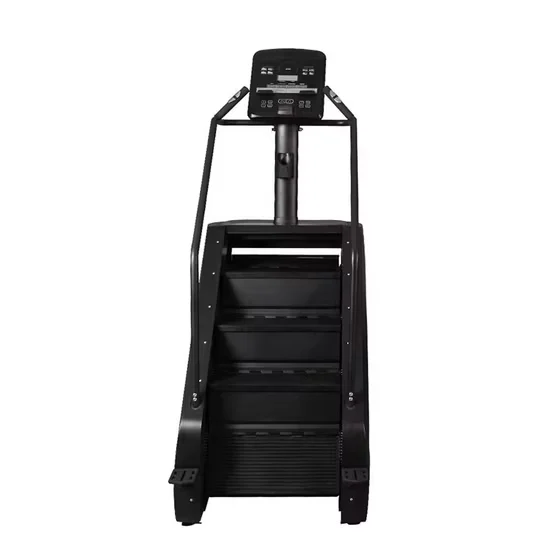
Commercial Stair Climber, Motor Drive, 148kg Net Weight — engineered with steel pipe frame construction and AC220V/AC110V voltage compatibility for global installation. Step area 560×235×220mm with adjustable running velocity from 15 to 164 steps per minute, OSD displays time, calories, steps, and heart rate for performance tracking. Every unit undergoes load testing before shipment, backed by 10-year frame warranty and floor planning support for safe equipment spacing.
// Spec Highlights
• Direct from Manufacturer · No Middlemen · Worldwide Shipping
01
// Material
Imported Solid Wood
Premium hardwood frames sourced for density and visual warmth.
02
// Hardware
Medical-Grade Silent
Whisper-quiet pulleys and springs for clinical environments.
03
// Customization
Appearance OEM
Color, upholstery, and branding tailored to your studio.
04
// Service
Layout Design
Free venue planning for studios and rehab institutions.
Every component is selected for longevity, performance, and aesthetic harmony - from imported hardwood frames to silent medical-grade accessories.
// Features
11-gauge frame steel with mill-certified traceability — this commercial electric stair climber uses Q235 structural steel tubing with continuous robotic MIG welds, verified by per-unit load testing before shipment.
| Parameter | Value |
|---|---|
| Product Type | Electric Stair Climber |
| Frame Material | Steel Pipe (Q235 structural grade) |
| Step Area Dimensions | 560 × 235 × 220 mm |
| Product Dimensions | 1450 × 820 × 2080 mm |
| Net Weight | 148 kg |
| Drive Type | Motor Drive |
| Running Velocity | 15 – 164 steps/minute |
| Display Functions | Time, Climb, Calories, Steps, Heart Rate |
| Power Input | AC220V±10% / AC110V±10% |
| Certification | CE |
| Customization | Available (color, branding, voltage) |
| Facility Type | Typical Use |
|---|---|
| Commercial gym cardio zone | High-traffic daily conditioning for members |
| Hotel fitness center | Guest-use endurance training with varied fitness levels |
| University athletic facility | Pre-season conditioning and sport-specific stamina work |
| Rehabilitation and performance center | Low-impact cardiovascular assessment and progressive loading |
Continuous robotic MIG welding eliminates the fatigue failure points that spot welds create under repetitive dynamic loading.
Many stair climbers marketed for commercial environments use spot-welded joints on the main frame to reduce production time. Under eight or more hours of daily stepping cycles, these spot welds develop micro-cracks at stress concentration points — particularly where the step mechanism mounts to the frame. The result is frame flex, misaligned step tracking, and eventual structural failure that requires full unit replacement rather than simple repair [NEED_CITE: weld classification and fatigue performance in structural steel].
This commercial electric stair climber occupies the vertical climbing movement plane, targeting lower-body endurance through continuous stepping against motor-driven resistance. It complements horizontal cardio equipment such as self-powered treadmills and air bikes in a well-rounded conditioning zone. The 148 kg net weight provides inherent stability during high-intensity sessions, while the 1450 × 820 mm footprint allows efficient floor density without compromising emergency egress clearance. Users across a broad body-size range can operate within the 15–164 steps/minute velocity range without structural compromise.
The stepping mechanism generates repetitive impact loading transferred through the frame joints with each cycle — a fatigue pattern fundamentally different from the static loads seen on strength equipment. Bearing surfaces in the step pivot points experience continuous rotational wear, while the motor drive system operates under sustained thermal load during extended daily use cycles. The powder coating at handgrip contact zones faces chemical exposure from sweat and cleaning agents, requiring adequate thickness and pre-treatment to prevent substrate exposure. Upholstery on any padded contact surfaces must resist compression set under daily commercial use patterns [NEED_CITE: bearing life calculation under continuous radial load in fitness equipment].
The steel pipe frame gauge directly determines the deflection threshold under dynamic user loading — insufficient wall thickness allows visible frame flex during vigorous stepping, accelerating wear on all connected components. The motor drive rating must support continuous duty operation rather than intermittent duty, as commercial stair climbers routinely operate for hours without cooldown periods. Sealed bearings in the step mechanism pivot points prevent dust and moisture ingress that would otherwise degrade lubrication and create play within the first year of high-traffic use. The 200μm powder coating thickness, applied after sandblast surface preparation, provides the scratch resistance needed to maintain appearance at high-contact zones [NEED_CITE: powder coating adhesion and thickness standards for commercial fitness equipment].
Thin-wall steel tubing that deflects under load creates a cascading failure pattern — misaligned step tracks increase motor strain, which accelerates bearing wear, which introduces play that further stresses the frame joints. Non-sealed bearings require frequent replacement in dusty gym environments, generating recurring maintenance costs that compound over the equipment’s service life. Powder coating applied below adequate thickness chips at contact points within months, exposing bare steel to sweat corrosion that spreads beneath the coating surface. Non-standard hardware dimensions mean replacement parts become unavailable when the original supplier changes specifications, forcing full assembly replacement rather than component-level repair [NEED_CITE: corrosion progression under coating failure in humid environments].
The 11-gauge Q235 steel frame with mill-certified material traceability ensures consistent structural performance across every unit shipped. Robotic continuous MIG welding eliminates spot-weld weak points throughout the entire frame structure, verified by per-unit load testing rather than sample-based inspection. The 200μm industrial powder coating provides scratch and corrosion resistance appropriate for high-traffic commercial environments. Two-dimensional and three-dimensional CAD floor planning support ensures this commercial electric stair climber integrates with proper safety clearances and optimal cardio zone flow. A 10-year frame warranty reflects confidence in the structural engineering decisions made during manufacturing.
Provide your cardio zone floor area and current equipment inventory to receive a 2D-3D layout plan showing optimal placement and safety clearances for this commercial electric stair climber. Specify your expected daily usage hours and user volume to confirm the appropriate structural configuration for your operational demands. Indicate any customization requirements for voltage compatibility, color matching, or branding integration with your facility design standards.
Q: How does motor drive type affect long-term reliability in commercial stair climbers?
A: Motor-driven systems rated for continuous duty operation maintain consistent performance during extended daily use without thermal degradation. Intermittent-duty motors overheat under commercial usage patterns, leading to premature failure. The motor drive specification should match your facility’s expected daily operating hours to ensure reliable long-term service without unplanned downtime.
Q: What structural features distinguish commercial stair climbers from light commercial models?
A: Commercial-grade units use heavier-gauge steel tubing with continuous robotic welding throughout the frame structure, eliminating spot-weld failure points under repetitive loading. Sealed bearings in step pivot mechanisms prevent contamination ingress that degrades performance in high-traffic environments. The net weight and footprint dimensions reflect the structural mass needed to resist deflection during vigorous use by diverse user populations over extended daily operation periods.
Q: What electrical requirements apply for international installation of this equipment?
A: This commercial electric stair climber supports AC220V±10% and AC110V±10% power input configurations, accommodating voltage standards across global markets. Specify your facility’s electrical supply during ordering to ensure proper motor winding configuration. Voltage compatibility documentation and CE certification support installation in European and international commercial environments without additional transformer requirements.
Q: How should floor space be planned around this stair climber for safety compliance?
A: The 1450 × 820 × 2080 mm product dimensions require minimum 600 mm clearance on all accessible sides for safe mounting, dismounting, and emergency egress. Floor planning should account for user traffic flow patterns and maintain clear pathways between cardio equipment stations. Two-dimensional and three-dimensional CAD layout support ensures optimal spacing that meets safety standards while maximizing cardio zone density for your facility footprint.
Premium aesthetics meet quiet operation for boutique studio environments.
Medical-grade silence and precision for sports & postpartum recovery.
Furniture-grade craftsmanship for premium residential installations.
Compact premium setups for one-on-one and small-group training.
Aesthetic Pilates integration for hybrid wellness studio programming.
Multi-unit deployment with instructor-grade reliability for certification programs.
Tell us about your project. Our team will respond within 24 hours with pricing, customization options, and shipping details.
// Sales Director
William
+86 132 2531 1800
// Export Manager
Bella
+86 198 5412 8032
william@bickfit.com


