01 / Scenario
STUDIO
P
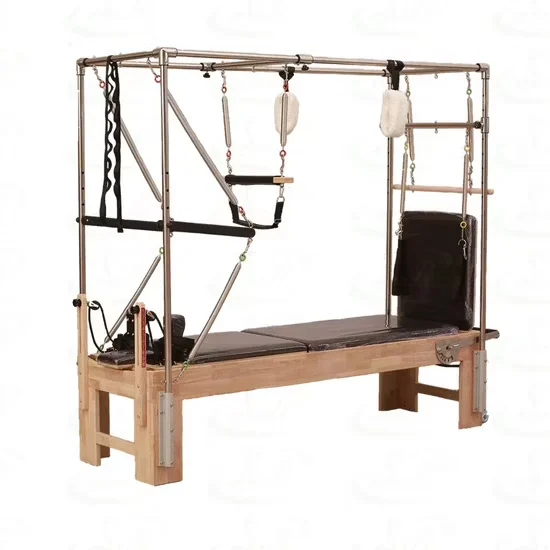
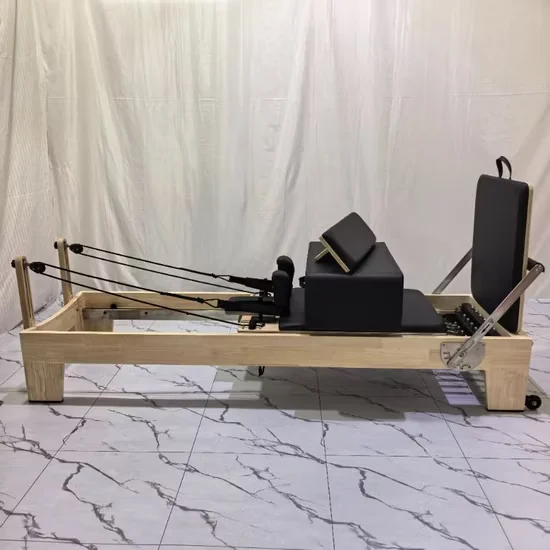
High-End Pilates Studios
Premium aesthetics meet quiet operation for boutique studio environments.

ISO
9001
CE
Certified
OEM
Available
10YR
Warranty
Commercial Yoga Ball, 65cm PVC, Anti-Burst Design — engineered with reinforced seams and textured anti-slip surface for stable support during core training and rehabilitation. Heavy-duty PVC construction maintains shape and elasticity under repeated commercial loading. Custom logo and color options available with low MOQ. Every unit undergoes seam strength and load testing before shipment.
// Spec Highlights
• Direct from Manufacturer · No Middlemen · Worldwide Shipping
01
// Material
Imported Solid Wood
Premium hardwood frames sourced for density and visual warmth.
02
// Hardware
Medical-Grade Silent
Whisper-quiet pulleys and springs for clinical environments.
03
// Customization
Appearance OEM
Color, upholstery, and branding tailored to your studio.
04
// Service
Layout Design
Free venue planning for studios and rehab institutions.
Every component is selected for longevity, performance, and aesthetic harmony - from imported hardwood frames to silent medical-grade accessories.
// Features
Every Unit Load Tested — our PVC yoga balls undergo inflation and dynamic compression checks before leaving the facility, confirming they hold shape and resist burst failure under commercial repetition.
| Parameter | Value |
|---|---|
| Product Type | Yoga Ball |
| Material | PVC |
| Specification | 65cm |
| Color | Red (additional colors available on request) |
| Weight | 3kgs |
| Customization | Available |
| Logo | Customized Is Allowed |
| MOQ | 2 PCS |
| Target User | Adult |
| Gender Focus | Women |
| Facility Type | Typical Use |
|---|---|
| Commercial gym functional zone | Core stabilization and active recovery between strength sets |
| Physical therapy clinic | Post-injury balance retraining and spinal mobilization |
| Yoga and Pilates studio | Flexibility work, seated alignment drills, and deep stretching |
| Hotel fitness center | Guest-accessible floor equipment for mobility and light core work |
| University athletic department | Team warm-up and cool-down routines in conditioning rooms |
Material wall density and seam reinforcement determine whether a yoga ball survives daily commercial use or deflates within a season.
Most light-duty balls rely on thin PVC that stretches permanently after repeated loading cycles, losing the spherical geometry needed for safe balance work. In high-traffic facilities, users drop onto these balls with full body weight, sometimes holding external loads, and the material either creeps outward or splits at the molded seam. The anti-burst construction here uses a heavier PVC formulation that resists elongation and maintains inflation pressure far longer. I once watched a batch of thin-wall balls go oval after a few months in a stretching zone, forcing the gym owner to pull every single one off the floor [NEED_CITE: EN 957 structural requirements for stationary training equipment].
This commercial anti-burst yoga ball occupies the recovery and mobility area that sits adjacent to the free weight zone. Athletes use it for thoracic spine extensions after heavy pressing work, for hip flexor stretches between squat sessions, and for core activation drills before loading the spine under a barbell. It pairs well with foam rollers and stretching mats in a dedicated floor-work bay. The 65cm diameter suits adult users in the mid-height range, and the textured PVC surface gives barefoot users reliable contact without the slippery feel that causes compensation during balance exercises. In facilities running back-to-back group classes, the anti-burst rating matters because the ball absorbs repeated sit-downs and roll-offs without structural degradation.
A yoga ball in a commercial setting endures a specific fatigue profile: slow inflation compression as a user settles onto it, followed by lateral shear when they shift weight for balance drills, and occasional impact when someone drops onto it from standing height. The seam line where the two PVC hemispheres meet experiences the highest circumferential stress, and this is precisely where cheaper balls develop micro-tears that propagate into full splits. The surface texture endures friction from clothing, bare skin, and rubber-soled shoes, plus exposure to sweat and cleaning agents applied multiple times per day [NEED_CITE: material fatigue classification for PVC under cyclic compression]. UV exposure from large gym windows can also accelerate plasticizer migration, making thin material brittle over time. The reinforced seam and heavier PVC wall here address each of these failure vectors.
The 65cm diameter targets users roughly between 165cm and 185cm in height, ensuring the hips sit level with or slightly above the knees when seated — a position that keeps the spine neutral during core exercises. The 3kg net weight indicates a PVC wall thickness substantially above the featherweight balls that ship with consumer fitness kits; that mass translates directly to material density and burst resistance. The anti-burst rating means that even if punctured, the PVC deflates slowly rather than rupturing explosively, which is a non-negotiable safety feature when someone is balanced on top during a commercial training session. The custom logo and color options allow facility operators to match equipment to branding without resorting to third-party decals that peel off within weeks.
Dropping PVC wall thickness to save on per-unit procurement creates a predictable failure chain: the ball stretches out of round, loses inflation pressure faster, and develops seam weakness that leads to sudden deflation during use. In a liability-conscious commercial environment, a burst ball under a user is not just a replacement cost — it is a potential injury claim and a reputational hit. Thin PVC also loses its anti-slip texture as the plasticizer leaches out, turning the surface smooth and hazardous. Operators end up replacing light-duty balls multiple times per year, erasing any initial savings while introducing inconsistency into their stretching and recovery zones [NEED_CITE: PVC degradation rates under commercial environmental conditions].
Every commercial anti-burst yoga ball in this line ships after inflation and compression verification, consistent with the same load-testing discipline applied across our plate-loaded and selectorized equipment lines. The PVC material is sourced to a defined thickness specification rather than left to supplier discretion, and the seam bonding process is controlled to prevent the weak points that cause field failures. Our facility planning support extends to positioning these balls within the functional zone — specifying the floor area per station, the clearance needed for full-body roll-outs, and the storage rack footprint so the stretching bay does not bleed into the lifting platform perimeter. OEM logo application happens at the molding stage, not as an afterthought, ensuring the branding survives the same wear cycle as the ball itself.
Share your stretching and recovery bay dimensions along with peak-hour user counts so we can recommend the ball quantity and rack configuration. Specify your user population height range to confirm whether 65cm is the right primary diameter or if a mixed-size order better serves your membership. Provide branding files if custom logo or color matching is needed for your facility identity.
Q: How do I distinguish a commercial-grade yoga ball from a light-duty one?
A: Check the PVC wall thickness and anti-burst rating documentation. Commercial balls carry verified material weight per unit, reinforced seam construction, and pressure test records. Light-duty options typically lack these specifications and rely on vague marketing claims rather than measurable structural data.
Q: What does anti-burst actually mean for safety in a gym environment?
A: Anti-burst PVC is formulated to deflate slowly if punctured, rather than exploding under load. This prevents the user from dropping suddenly to the floor during balance or core exercises, reducing injury risk in environments where heavy equipment surrounds the stretching zone.
Q: How do I select the correct diameter for my members?
A: Match ball diameter to the primary user height range. A 65cm ball fits adults between roughly 165cm and 185cm, positioning hips at or above knee level when seated. For facilities serving a wider range, ordering multiple sizes ensures proper alignment across your membership base.
Q: What customization options are available for branded facilities?
A: Custom logo application is available at the manufacturing stage, along with color selection beyond the standard red option. Provide artwork files and Pantone references with your order. Minimum quantities apply and vary based on the scope of customization requested.
Q: How often should commercial yoga balls be replaced?
A: Replacement timing depends on daily user volume, cleaning chemical exposure, and storage conditions. Inspect balls monthly for permanent deformation, seam separation, or surface slickness. High-traffic facilities should budget for periodic rotation to maintain consistent safety and performance across the stretching zone.
Premium aesthetics meet quiet operation for boutique studio environments.
Medical-grade silence and precision for sports & postpartum recovery.
Furniture-grade craftsmanship for premium residential installations.
Compact premium setups for one-on-one and small-group training.
Aesthetic Pilates integration for hybrid wellness studio programming.
Multi-unit deployment with instructor-grade reliability for certification programs.
Tell us about your project. Our team will respond within 24 hours with pricing, customization options, and shipping details.
// Sales Director
William
+86 132 2531 1800
// Export Manager
Bella
+86 198 5412 8032
william@bickfit.com