01 / Scenario
STUDIO
P
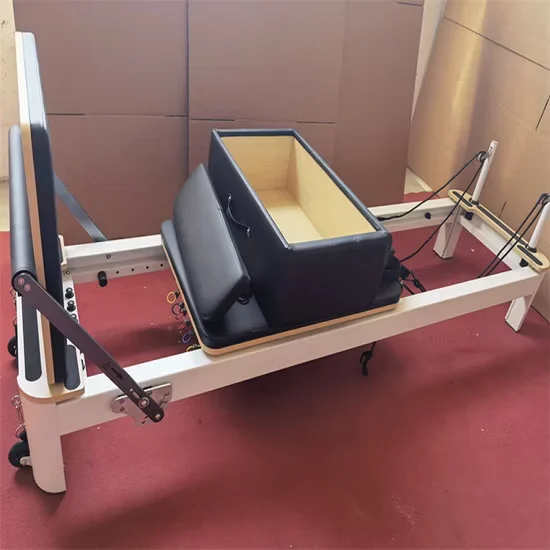
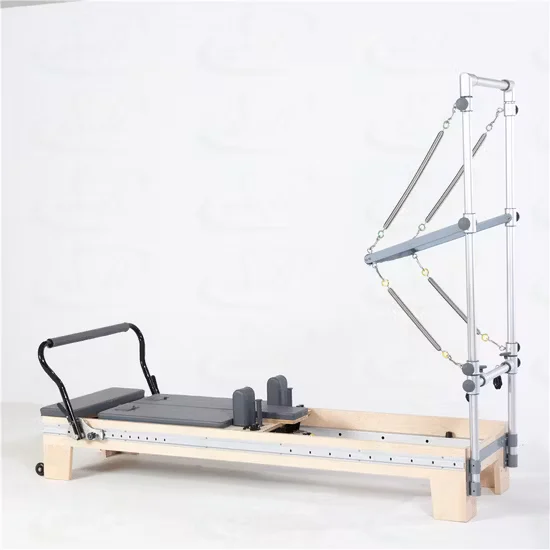
High-End Pilates Studios
Premium aesthetics meet quiet operation for boutique studio environments.

ISO
9001
CE
Certified
OEM
Available
10YR
Warranty
Portable Pilates Reformer Springs, 2.2×25×450mm, 1.2kg Net Weight — precision wire gauge and coil pitch deliver consistent resistance across the full stroke for commercial studio reformers. End-hook design ensures secure mounting under repetitive high-load cycling, with solid-color finish and custom logo options available. Each spring undergoes tension rate consistency testing across production batches for reliable interchangeability. Backed by 3-year warranty and 80,000-piece monthly capacity from a vertically integrated manufacturer.
// Spec Highlights
• Direct from Manufacturer · No Middlemen · Worldwide Shipping
01
// Material
Imported Solid Wood
Premium hardwood frames sourced for density and visual warmth.
02
// Hardware
Medical-Grade Silent
Whisper-quiet pulleys and springs for clinical environments.
03
// Customization
Appearance OEM
Color, upholstery, and branding tailored to your studio.
04
// Service
Layout Design
Free venue planning for studios and rehab institutions.
Every component is selected for longevity, performance, and aesthetic harmony - from imported hardwood frames to silent medical-grade accessories.
// Features
Spring End-Hook Integrity — fatigue-tested attachment loops that resist detachment under repetitive full-stroke extension cycles.
| Parameter | Value |
|---|---|
| Product Type | Pilates Reformer Springs |
| Specification | 2.2×25×450mm |
| Color Options | Solid Color |
| Logo | Customized Is Allowed |
| Warranty | 3 Years |
| Production Capacity | 80000 Pieces/Month |
| Facility Type | Typical Use |
|---|---|
| Commercial Pilates studio | Daily rotation across multiple reformers in group class scheduling |
| Boutique fitness facility | Reformer-based group classes with frequent spring changes between sessions |
| Rehabilitation and physiotherapy center | Controlled movement therapy requiring precise and consistent resistance levels |
Consistent coil geometry and wire diameter are what keep tension predictable across hundreds of daily cycles.
When reformer springs begin to lose tension after only a few months of studio use, instructors spend class time recalibrating resistance instead of coaching movement. The controlled eccentric loading that defines Pilates demands springs that return to their original free length after every single repetition — [NEED_CITE: spring fatigue performance under cyclic tensile loading in commercial fitness environments]. Springs that sag or develop uneven coil spacing compromise the precision that clients pay for in a reformer class, and replacing them piecemeal creates mismatched resistance across the carriage. This is why commercial Pilates reformer replacement springs must be manufactured to tight dimensional tolerances rather than bulk-produced to loose consumer-grade specifications.
Reformer springs are the primary wear component in any Pilates studio’s equipment maintenance cycle. They sit at the center of every exercise on the carriage — controlling resistance during footwork, strap work, and long-box sequences. In a studio running four to six classes per day per reformer, springs undergo thousands of extension-compression cycles weekly. Facility operators who stock commercial Pilates reformer replacement springs in matched sets ensure uniform resistance across all five spring positions, keeping the carriage behavior predictable for instructors and clients alike. Proper tension matching also supports users across a wide range of body weights and strength levels without requiring carriage modifications.
Every full-stroke pull on a reformer carriage loads the spring through its entire extension range, concentrating stress at the end-hook transition where the coil opens into the attachment loop. Under high-frequency studio use, this junction experiences repeated bending fatigue that can lead to hook deformation or fracture if the wire gauge and forming process are not controlled [NEED_CITE: stress concentration factors in spring end-hook geometry under cyclic loading]. The coil body itself must also resist taking a permanent set — meaning the spring loses its ability to return to free length after full extension. Surface treatment matters here as well: studio environments involve perspiration and frequent cleaning with chemical solutions, both of which accelerate corrosion on untreated spring wire and shorten fatigue life considerably.
The 2.2mm wire diameter and 25mm outer coil diameter in this spring specification define the fundamental tension curve. Wire diameter determines how much force is required to extend the spring a given distance — thicker wire yields higher resistance per millimeter of travel. Coil pitch, the spacing between each active coil, governs how linearly that resistance builds through the carriage stroke. A spring with inconsistent pitch will feel different at the start of a pull versus the end, which defeats the purpose of controlled resistance work. The 450mm free length establishes the total usable extension range and determines which reformer carriage systems the spring will physically fit. Dimensional tolerance on all three values is what separates springs that interchange cleanly across a reformer fleet from ones that require selective fitting to each individual machine.
Springs made from uncertified wire with loose diameter tolerances may look identical on the shelf but perform very differently once installed on a reformer carriage. Wire with inconsistent hardness produces springs that drift in tension at different rates, so a studio ends up with one heavy spring and one light spring in positions that should feel identical [NEED_CITE: material certification requirements for spring wire in commercial fitness equipment]. End-hooks formed without controlled bending radii develop micro-cracks at the transition point, creating detachment risk during high-resistance exercises. Thin or absent surface treatment allows sweat and humidity to corrode the wire surface, creating pitting that acts as a fatigue initiation site. The result is a replacement cycle measured in months rather than years, and the hidden cost of instructor time spent managing inconsistent equipment.
BICKFIT approaches spring manufacturing with the same traceability standards applied to structural steel frames. Wire material arrives with mill certification traceable to the production coil, ensuring consistent tensile properties across every batch. The forming process controls end-hook geometry to eliminate the stress concentrations that cause premature hook failure. Each production run undergoes tension rate testing to verify that spring resistance stays within tolerance — not just on sample units, but as a batch-level quality gate. The 200μm industrial powder coating standard used across the BICKFIT facility provides corrosion protection on springs that matches the durability expectations of a high-traffic studio environment. Custom color and logo options are available with physical sample approval before bulk production runs, allowing studio operators to match spring sets to their facility branding.
Provide the number of reformers and daily class volume to determine replacement inventory requirements. Specify reformer carriage model and spring mounting configuration to confirm dimensional compatibility. Indicate target user population and resistance level preferences to select appropriate wire gauge and tension ratings. Submit custom color references and logo artwork for sample approval before production commitment.
Q: How do I determine if reformer springs meet commercial-grade durability standards?
A: Commercial-grade springs require wire material certification showing tensile properties, batch-level tension rate testing, and controlled end-hook forming processes. Light-use home springs typically lack this documentation and use thinner wire with wider diameter tolerances. Request test data and compare tension consistency across a sample set before committing to a bulk order.
Q: What do wire gauge and coil specifications mean for resistance and longevity?
A: Wire diameter directly determines resistance force per millimeter of extension — thicker wire means heavier spring tension. Coil pitch governs how linearly that resistance builds through the carriage stroke. Both values must be held to tight tolerances for springs to feel identical across positions. Consistent material hardness from certified wire ensures tension stability over thousands of cycles.
Q: How do I match spring tension ratings to different reformer carriage systems?
A: Confirm the reformer manufacturer’s specified free length and end-hook attachment style first. Then match wire diameter and coil outer diameter to achieve the resistance curve appropriate for your class programming. Install springs as matched sets across all carriage positions rather than mixing tension levels, which creates unpredictable carriage behavior during dynamic exercises.
Q: What are recommended replacement intervals for springs in high-traffic studio environments?
A: Studios running four or more classes per day per reformer should inspect springs weekly for hook deformation and tension drift. Replace spring sets when instructors report inconsistent resistance or when springs no longer return to original free length after full extension. Tracking installation dates lets you establish a facility-specific replacement schedule based on actual usage volume.
Q: Do custom color and logo options affect lead time or order requirements?
A: Custom branding requires physical sample approval before bulk production begins, which adds a sample cycle to the overall timeline. Color matching and logo placement are confirmed on sample springs so operators can verify appearance against studio design standards. Production capacity supports large-volume orders with consistent branding across the full batch once samples are approved.
Premium aesthetics meet quiet operation for boutique studio environments.
Medical-grade silence and precision for sports & postpartum recovery.
Furniture-grade craftsmanship for premium residential installations.
Compact premium setups for one-on-one and small-group training.
Aesthetic Pilates integration for hybrid wellness studio programming.
Multi-unit deployment with instructor-grade reliability for certification programs.
Tell us about your project. Our team will respond within 24 hours with pricing, customization options, and shipping details.
// Sales Director
William
+86 132 2531 1800
// Export Manager
Bella
+86 198 5412 8032
william@bickfit.com