01 / Scenario
STUDIO
P
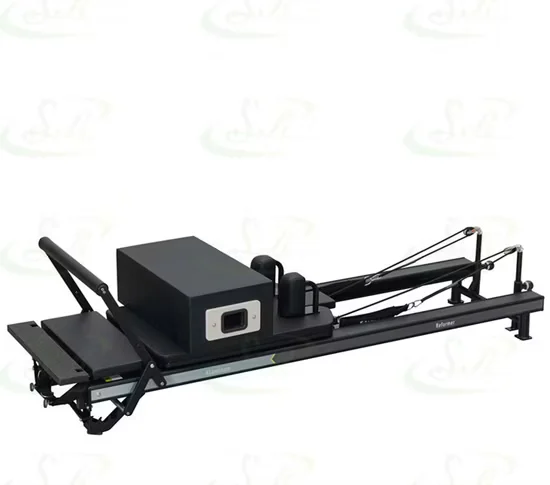
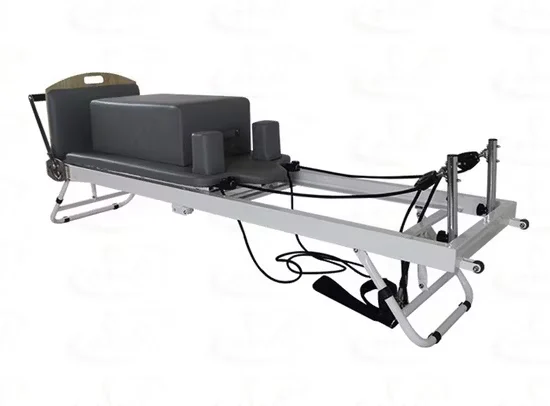
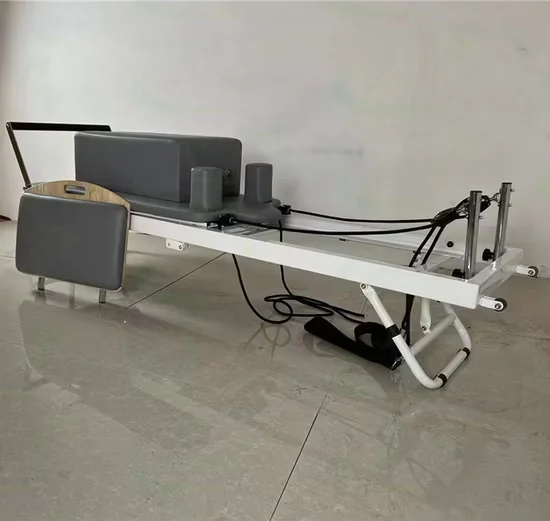
High-End Pilates Studios
Premium aesthetics meet quiet operation for boutique studio environments.
ISO
9001
CE
Certified
OEM
Available
10YR
Warranty
// Spec Highlights
• Direct from Manufacturer · No Middlemen · Worldwide Shipping
01
// Material
Imported Solid Wood
Premium hardwood frames sourced for density and visual warmth.
02
// Hardware
Medical-Grade Silent
Whisper-quiet pulleys and springs for clinical environments.
03
// Customization
Appearance OEM
Color, upholstery, and branding tailored to your studio.
04
// Service
Layout Design
Free venue planning for studios and rehab institutions.
Every component is selected for longevity, performance, and aesthetic harmony - from imported hardwood frames to silent medical-grade accessories.
// Features
Every Unit Load-Tested Before Shipping — this Pilates mat undergoes compression and rebound verification on every production batch, not just sample-based spot checks, ensuring thickness retention holds up under daily commercial traffic.
| Parameter | Value |
|---|---|
| Product Type | Pilates Mat / Yoga Mat |
| Material | TPE |
| Thickness | 6mm |
| Dimensions | 1830 × 610 mm |
| Length | 1800 mm |
| Net Weight | 2 kg |
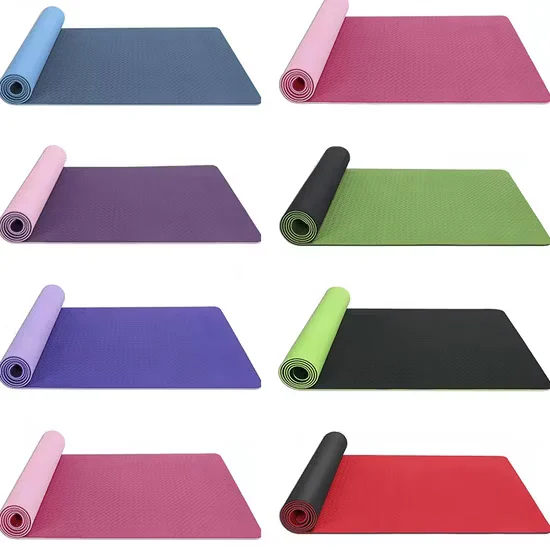
| Color | Solid Color (multiple options available) |
| Logo | Custom Logo Allowed |
| Age Group | Adult |
| Gender | Women |
| Production Capacity | 1000 PCS / Month |
| Origin | China |
| HS Code | 9506911900 |
| Facility Type | Typical Use |
|---|---|
| Commercial gym group class studio | High-frequency mat-based Pilates and floor conditioning sessions |
| Yoga and mind-body training studio | Daily yoga flows, restorative sessions, and guided breathwork |
| Hotel and resort fitness center | Guest-accessible floor workout zones and in-room fitness kits |
| University recreation and wellness center | Student group fitness classes and intramural training |
| Rehabilitation and performance center | Low-impact floor exercises and post-injury mobility protocols |
Thickness without density is marketing, not engineering.
A commercial gym pilates mat extra thick enough to feel comfortable on day one means nothing if the foam core collapses by month three. In high-traffic studios running four to six group classes daily, low-density EVA and budget NBR foams compress permanently under repeated body weight loading, leaving visible indentations at knee and elbow contact zones. We have seen facility operators replace entire mat inventories twice within a single year because the foam was specified by thickness alone, with no attention to compression recovery data. The structural failure pattern is consistent: surface skin remains intact while the internal cell structure breaks down, creating an unstable training surface that increases ankle and wrist injury risk during dynamic transitions [NEED_CITE: compression fatigue testing for closed-cell foam materials in commercial fitness environments].
A commercial gym pilates mat at 1830 × 610 mm covers the movement envelope for most adult female users performing supine, prone, and lateral floor sequences. In studio layouts with 40 to 50 cm lateral spacing between mats, this footprint allows full limb extension during single-leg stretches and side-lying leg circles without overlap. The mat pairs with functional training rigs and light accessory stations in open-floor zones, occupying the same footprint class as standard yoga mats but delivering the cushion depth needed for kneeling and roll-down sequences. For facilities serving mixed-height populations, the 1800 mm length accommodates users up to approximately 175 cm with adequate head and foot clearance.
In a commercial studio running five group classes per day with full occupancy, each mat endures repeated compression cycles across knee, hip, elbow, and heel contact zones. TPE closed-cell foam resists permanent deformation better than open-cell alternatives because the sealed air pockets recover after load release rather than slowly collapsing. The critical stress zones are the high-contact areas where body weight concentrates on small surface points — knees during quadruped positions and elbows during forearm plank variations. Surface texture wear accelerates where cleaning solutions degrade the skin layer, and sweat exposure during heated classes can compromise grip texture over time if the surface treatment lacks chemical resistance [NEED_CITE: closed-cell TPE durability under repeated cleaning chemical exposure in fitness environments].
The 6 mm thickness in TPE delivers a balance between joint cushioning and standing stability that thinner NBR mats cannot match and thicker PVC mats compromise for balance-dependent exercises. TPE as a base material provides consistent density throughout the cross-section, meaning the cushion performance does not degrade unevenly from surface to core as it does with laminated multi-material constructions. The 2 kg unit weight indicates sufficient material mass to prevent mat migration during dynamic floor transitions — lighter mats shift and bunch during lateral movements, creating trip hazards in packed class layouts. The folding design introduces stress at the crease lines, so the TPE formulation must maintain flexibility at fold points without developing visible cracking or permanent crease memory after repeated storage cycles. Custom logo application through silk-screening or laser engraving affects only the surface skin and does not penetrate the structural foam layer, preserving compression integrity regardless of branding placement.
Mats built on thin EVA cores with decorative surface skins compress to half their original thickness within months under commercial traffic, forcing facility operators into replacement cycles that consume more annual budget than specifying higher-density TPE from the start. Non-reinforced fold lines develop permanent creases that create uneven training surfaces and trip points during standing-to-floor transitions. Surface textures applied as thin coatings rather than molded into the base material wear smooth within weeks of daily cleaning, eliminating slip resistance exactly when the foam core is also losing stability. Mats that arrive without material certification documentation leave buyers with no recourse when foam performance degrades prematurely, and generic unbranded products offer no replacement part pathway when individual units fail outside a full-inventory reorder cycle [NEED_CITE: commercial fitness flooring and mat replacement frequency data by material type].
Every production batch of this Pilates mat undergoes compression and rebound testing at the factory level, meaning the thickness specification reflects verified post-compression recovery rather than nominal pre-use measurement. The TPE material is sourced with mill-level traceability, providing documentation that raw material density meets the specified threshold before cutting begins. Custom logo orders receive color matching verification against facility brand standards, with production samples approved before full-run commitment. The 1830 × 610 mm dimensions are maintained within cutting tolerance through die-controlled processes rather than manual measurement, ensuring uniform spacing calculations hold across full studio floor plans. OEM private label production is available with custom color, logo, and packaging specifications, supporting brand-consistent studio fitouts across multi-location operators. CAD-based floor planning support is available to calculate mat count, lateral spacing, and storage wall requirements for group class zones of any size.
Provide your group class studio dimensions and target class capacity so we can generate a 2D-3D floor plan with mat count, spacing, and storage calculations. Specify your daily class frequency and average occupancy to confirm the TPE density grade matches your traffic level. Share your brand color palette and logo files for custom logo samples with production timeline estimates. Identify any flooring substrate conditions that affect mat stability requirements.
Q: How does TPE compare to PVC and NBR for commercial studio use?
A: TPE provides consistent closed-cell density throughout its cross-section, meaning compression recovery remains uniform from surface to core over extended use. PVC tends to be heavier and less flexible at fold points, while NBR offers initial softness but compresses permanently faster under daily class traffic. For facilities prioritizing long-term thickness retention and chemical cleaning resistance, TPE delivers a more predictable service life with lower replacement frequency.
Q: What is the difference between 6mm and 8mm thickness for group class selection?
A: The 6mm option provides sufficient joint cushioning for standard Pilates and yoga sequences while maintaining stability during standing balance postures. The 8mm option adds deeper compression buffer for kneeling-heavy classes and rehabilitation-focused sessions where ground contact pressure is a primary concern. Thicker mats may compromise balance during single-leg standing poses, so thickness selection should match the dominant movement patterns in your class programming.
Q: How does the folding design affect long-term durability?
A: Folding introduces repeated stress at crease lines where the TPE material bends and recovers with each storage cycle. The closed-cell TPE formulation used here maintains flexibility at fold points without developing surface cracking or permanent set. Facilities using vertical wall storage with ventilated brackets see longer fold-line life compared to horizontal stacking where sustained compression at fold points can accelerate material memory formation.
Q: What custom logo options are available and how durable are they?
A: Custom logos can be applied through silk-screening or laser engraving on the mat surface. Silk-screening offers broader color range for multi-color brand marks, while laser engraving provides permanent marking that does not wear off under daily cleaning and foot traffic. Both methods affect only the surface skin layer without penetrating the structural foam core, so compression performance remains identical regardless of branding choice. Minimum order quantities apply for custom runs.
Premium aesthetics meet quiet operation for boutique studio environments.
Medical-grade silence and precision for sports & postpartum recovery.
Furniture-grade craftsmanship for premium residential installations.
Compact premium setups for one-on-one and small-group training.
Aesthetic Pilates integration for hybrid wellness studio programming.
Multi-unit deployment with instructor-grade reliability for certification programs.
Tell us about your project. Our team will respond within 24 hours with pricing, customization options, and shipping details.
// Sales Director
William
+86 132 2531 1800
// Export Manager
Bella
+86 198 5412 8032
william@bickfit.com