01 / Scenario
STUDIO
P
High-End Pilates Studios
Premium aesthetics meet quiet operation for boutique studio environments.

ISO
9001
CE
Certified
OEM
Available
10YR
Warranty
Premium Balance Training Ball, 58 cm Diameter, Custom Logo & Color — engineered for high-traffic commercial gym environments with reinforced PVC material and anti-burst construction. Features a stable non-slip base platform for standing exercises and compatible valve systems for long-term air retention. Fully customizable branding options available without compromising structural integrity. - Every unit undergoes load and burst pressure testing before shipment to ensure commercial-grade durability.
// Spec Highlights
• Direct from Manufacturer · No Middlemen · Worldwide Shipping
01
// Material
Imported Solid Wood
Premium hardwood frames sourced for density and visual warmth.
02
// Hardware
Medical-Grade Silent
Whisper-quiet pulleys and springs for clinical environments.
03
// Customization
Appearance OEM
Color, upholstery, and branding tailored to your studio.
04
// Service
Layout Design
Free venue planning for studios and rehab institutions.
Every component is selected for longevity, performance, and aesthetic harmony - from imported hardwood frames to silent medical-grade accessories.
// Features
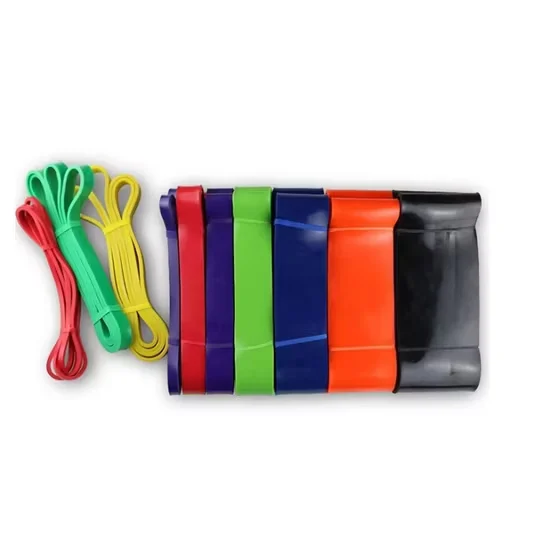
Custom Logo Half Balance Ball with Resistance Bands for Commercial Gyms
Material Density Verified — PVC compound tested for burst resistance under repeated dynamic loading, ensuring the half balance ball maintains structural integrity across high-traffic commercial gym environments.
| Parameter | Value |
|---|---|
| Product Type | Half Balance Ball |
| Specification | 58 cm |
| Color | Customized |
| Logo | Customized Logo Available |
| MOQ | 50 PCS |
| Age | Adult |
| Gender | Unisex |
| Facility Type | Typical Use |
|---|---|
| Commercial Gym Functional Zones | Balance drills, core stabilization, unilateral stance work |
| CrossFit Box Functional Areas | Group fitness circuits, agility and proprioception training |
| Rehabilitation and Performance Centers | Post-injury balance recovery, neuromuscular re-education |
| Hotel and Resort Fitness Centers | Guest-accessible stability training accessory |
| University Strength and Conditioning Rooms | Athletic performance warm-up and coordination drills |
Consumer-grade balance balls use thin PVC walls and low-quality valves that lose air retention within weeks under daily commercial loading — material thickness, valve construction, and base platform rigidity determine whether a commercial half balance training ball with custom logo survives a gym floor or becomes a recurring replacement cost.
Wall thickness and valve quality dictate service life, not marketing claims.
Low-density PVC compounds deform permanently after sustained compression cycles typical in group fitness classes. Non-standard valve cores develop slow leaks that go unnoticed until the ball becomes unusable mid-session. The flat base platform on inferior models lacks sufficient surface texture, creating slip hazards during standing exercises [NEED_CITE: EN 957 structural requirements for stationary training equipment].
The 58 cm half balance ball occupies the proprioception and unilateral stability layer of a commercial functional training area. It complements cable crossover systems, suspension trainers, and free weight stations by introducing an unstable surface variable that demands continuous neuromuscular adjustment. This commercial half balance training ball with custom logo serves users across a wide body mass range, provided the base platform maintains consistent contact with the training surface. Facilities with high daily throughput benefit from the customizable color and logo options that support brand consistency across shared training spaces.
Commercial gym environments subject balance training accessories to repeated impact loading, eccentric compression, and sustained static holds — stress patterns that expose material fatigue in thin-walled PVC construction. The base platform interface experiences concentrated shear forces during lateral movement transitions, while the dome surface undergoes cyclic compression that can cause permanent deformation if material density falls below commercial thresholds. Valve integrity degrades under frequent inflation-deflation cycles, and non-sealed valve cores allow gradual air migration. The contact surface between the base platform and gym flooring accumulates abrasive wear from foot traffic and equipment movement, demanding slip-resistant surface treatment that maintains traction over extended service periods [NEED_CITE: material fatigue performance under cyclic compression loading].
The 58 cm diameter defines the contact surface area and stability challenge level — larger diameters increase the unstable surface proportion, demanding greater proprioceptive engagement from users. PVC wall thickness directly determines burst resistance under dynamic loading; commercial-grade compounds maintain elastic recovery after repeated compression, while low-density alternatives develop permanent set deformation. The base platform construction requires rigid internal structure to prevent flex under standing loads, combined with a non-slip outer surface that resists wear from footwear contact and cleaning chemicals. Customized logo and color application must not compromise material integrity — surface printing processes should avoid solvents that degrade PVC molecular structure or create stress concentration points. Valve selection prioritizes air retention over inflation convenience; commercial environments benefit from sealed valve cores that resist dust contamination and maintain pressure consistency across temperature fluctuations.
Thin-walled PVC construction reduces material cost but accelerates replacement cycles — balls that deform or burst within months create recurring procurement expenses and liability exposure from sudden failure during use. Non-standard valve threads prevent compatible replacement parts, forcing complete unit disposal when valves fail rather than simple component swaps. Base platforms with inadequate surface texture create slip hazards that increase injury risk, particularly in environments where sweat and cleaning solutions reduce friction coefficients. Low-density foam or hollow-base constructions compress permanently under sustained loading, eliminating the stable platform needed for standing exercises and converting a balance training tool into a trip hazard. Inferior powder coating or surface finishes chip at contact points, exposing underlying material to moisture absorption and microbial growth in humid gym environments [NEED_CITE: surface durability requirements for high-traffic fitness equipment].
The commercial half balance training ball with custom logo benefits from manufacturing processes refined through 17 years of commercial strength equipment production. Material selection prioritizes PVC compounds tested for burst resistance and elastic recovery under repeated compression cycles typical of high-traffic gym environments. Customization capabilities for logo and color application maintain structural integrity through processes validated for commercial durability standards. Each unit undergoes quality inspection protocols consistent with the three-stage QC system applied across the full product range, ensuring valve integrity, surface finish consistency, and dimensional accuracy before shipment. The 50 PCS minimum order quantity accommodates both single-facility procurement and multi-location chain deployments, with production capacity supporting large-scale functional zone outfitting projects.
Provide your functional training zone dimensions and equipment layout requirements to receive 2D-3D space planning support that optimizes the commercial half balance training ball with custom logo placement within your facility flow. Specify your daily user volume to confirm material grade selection appropriate for your traffic intensity. Indicate your target user demographic and body mass range to verify the 58 cm specification meets your stability training objectives. Share your branding requirements for color and logo customization to ensure production alignment with your facility identity standards.
Q: How do commercial-grade half balance balls differ from consumer fitness versions?
A: Commercial half balance training balls use higher-density PVC compounds that resist permanent deformation under repeated compression cycles typical in gym environments. Consumer versions often use thin-walled construction that loses shape and air retention within weeks of daily use. Commercial models also feature reinforced base platforms with slip-resistant surfaces designed to withstand foot traffic and cleaning chemicals without degradation.
Q: What material thickness and burst resistance standards apply to gym environment balance balls?
A: Commercial-grade half balance balls require PVC wall thickness sufficient to maintain elastic recovery after repeated dynamic loading without permanent set deformation. Material compounds must resist burst failure under impact loading from jumping exercises and sustained compression from standing drills. Valve construction prioritizes air retention over convenience, using sealed cores that resist dust contamination and maintain pressure consistency across temperature fluctuations in gym environments.
Q: Can custom logo and color options compromise the durability of the balance ball?
A: Professional customization processes apply logo and color without using solvents that degrade PVC molecular structure or create stress concentration points. Surface printing methods maintain material integrity while providing brand visibility. The customization process undergoes quality verification to ensure printed areas maintain the same burst resistance and elastic recovery characteristics as unprinted surfaces, preventing premature failure at decorated zones.
Q: How does air retention performance affect maintenance frequency in high-traffic commercial use?
A: Commercial half balance training balls with sealed valve cores maintain consistent pressure over extended periods, reducing inflation frequency compared to consumer models with non-sealed valves. High-traffic environments benefit from valves that resist dust contamination and gradual air migration. Regular monthly pressure checks ensure the dome maintains rigidity for effective balance training, while proper valve care extends service life by preventing contamination-related leaks.
Premium aesthetics meet quiet operation for boutique studio environments.
Medical-grade silence and precision for sports & postpartum recovery.
Furniture-grade craftsmanship for premium residential installations.
Compact premium setups for one-on-one and small-group training.
Aesthetic Pilates integration for hybrid wellness studio programming.
Multi-unit deployment with instructor-grade reliability for certification programs.
Tell us about your project. Our team will respond within 24 hours with pricing, customization options, and shipping details.
// Sales Director
William
+86 132 2531 1800
// Export Manager
Bella
+86 198 5412 8032
william@bickfit.com