01 / Scenario
STUDIO
P
High-End Pilates Studios
Premium aesthetics meet quiet operation for boutique studio environments.

ISO
9001
CE
Certified
OEM
Available
10YR
Warranty
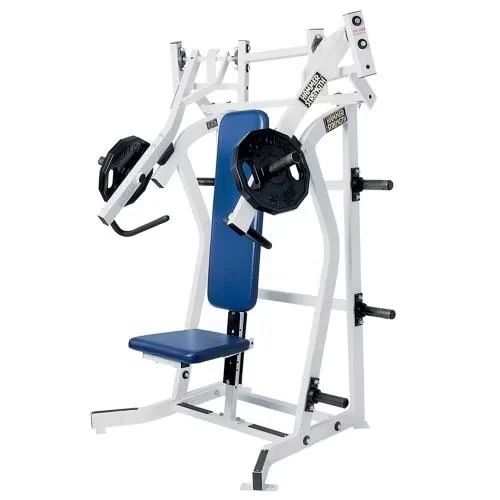
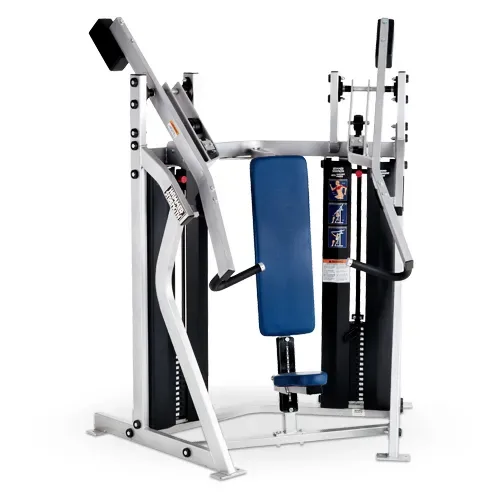
OS-H5014 Selectorized Seated Dip Machine, 1833×1492×1110mm, 163kg Net Weight — engineered with pin-select resistance and sealed industrial bearings for smooth convergence under repetitive commercial loading. Frame and upholstery colors available per customer requirements, with OEM/ODM customization supported. Every unit undergoes per-shipment load testing and ships with ISO 9001 and CE certification documentation.
// Spec Highlights
• Direct from Manufacturer · No Middlemen · Worldwide Shipping
01
// Material
Imported Solid Wood
Premium hardwood frames sourced for density and visual warmth.
02
// Hardware
Medical-Grade Silent
Whisper-quiet pulleys and springs for clinical environments.
03
// Customization
Appearance OEM
Color, upholstery, and branding tailored to your studio.
04
// Service
Layout Design
Free venue planning for studios and rehab institutions.
Every component is selected for longevity, performance, and aesthetic harmony - from imported hardwood frames to silent medical-grade accessories.
// Features
Traceable Industrial Steel — Every tube on the OS-H5014 traces back to a certified coil, giving facility operators verifiable material origin rather than vague "commercial-grade" claims.
| Parameter | Value |
|---|---|
| Designation | OS-H5014 |
| Product Type | Selectorized Seated Dip Machine |
| Loading Type | Pin select weight stack |
| Product Dimensions | 1833 × 1492 × 1110 mm |
| Net Weight | 163 kg |
| Frame Color | Available per customer specification |
| Upholstery Color | Available per customer specification |
| Assembly State | Unfolded, field-ready |
| OEM/ODM | Acceptable |
| Certification | ISO 9001, CE |
| Facility Type | Typical Use |
|---|---|
| Commercial gym strength floor | Primary triceps and chest pressing station in selectorized row |
| Hotel and resort fitness center | High-turnover station for varied guest demographics |
| University strength and conditioning room | Controlled loading for athletic development programs |
| Community fitness center | Accessible pin-select resistance for general membership |
Continuous MIG welds hold the pivot arm junction long after spot welds crack under repeated press loading.
Most dip stations in the commercial selectorized category quote tube gauge as "heavy-duty" without providing a traceable steel certificate. The real failure point is rarely the tube itself — it is the weld seam at the pivot arm and seat mount junction. Spot welds pass a visual QC check at the factory but develop micro-fractures within months when users load and unload the press movement hundreds of times per day. A commercial selectorized seated dip machine that relies on intermittent welds transfers cyclical stress into a concentrated point, and the crack propagates silently until the joint shifts under load [NEED_CITE: weld classification and fatigue performance in structural steel].
The OS-H5014 targets the triceps brachii and pectoralis major through a converging press path, filling the vertical pressing slot between a lat pulldown and a chest press. In a commercial selectorized row, this station pairs with a seated shoulder press to cover the full push musculature without requiring users to move to free-weight benches. The footprint accommodates moderate-density floors where operators need to balance station count against safe clearance corridors. The fixed movement path suits facilities serving a wide range of user experience levels, from beginners learning pressing mechanics to experienced lifters warming up before plate-loaded work.
Every rep on a seated dip station generates a compound load: downward force through the handles, reactive force through the seat mount, and lateral torque at the pivot arm base. In a busy commercial gym, that cycle repeats hundreds of times daily, accumulating fatigue at each junction. The pivot arm bearings endure the most wear — open bushings develop play within the first year, shifting the press path and introducing lateral drift that users feel immediately. Upholstery at the seat and back pad absorbs sweat and compression simultaneously, and low-density foam loses its recovery profile long before the frame shows any sign of fatigue [NEED_CITE: EN 957 structural requirements for stationary training equipment]. Powder coating at handle contact points and seat rail interfaces faces constant abrasion and chemical exposure from cleaning agents.
Tube gauge and cross-section dimensions define the threshold where a dip station frame begins to deflect permanently under maximal load. A heavier gauge resists progressive flex, meaning the station maintains its geometry through years of use rather than slowly developing a lean or wobble. Robotic continuous MIG welding distributes stress along the full seam length, eliminating the hard stop where a spot weld ends and bare metal begins. Sealed industrial bearings at the pivot prevent sweat and gym dust from infiltrating the race, which is the primary cause of play development in high-traffic selectorized equipment. The powder coating pre-treatment and applied thickness determine whether the finish survives contact-point abrasion and humidity exposure without chipping down to bare steel.
Thinner-walled tube sections flex under heavy users and do not return to true alignment, accumulating permanent deformation over a few thousand cycles. Spot-welded pivot junctions create liability exposure when a joint fails during a loaded press. Non-sealed bearings require scheduled replacement in commercial environments, adding maintenance labor and parts cost that compounds across a floor of twenty or more stations. Low-density upholstery foam compresses past its recovery threshold within months, forcing pad replacement or member complaints. Insufficient powder coating thickness chips at handle and seat contact zones, exposing bare steel to sweat-driven corrosion that spreads beneath adjacent coating [NEED_CITE: powder coating durability standards for commercial fitness equipment].
The frame uses Q235 or Q345 industrial steel with mill certification traceable to the source coil, so the material grade is documented rather than claimed. Robotic MIG welding produces continuous seam lines at every structural junction, removing the weak-point geometry of intermittent spot welds. Each OS-H5014 undergoes individual load testing before crating — not batch sampling, not first-article inspection alone. The powder coating is applied at 200μm industrial thickness over sandblast pre-treatment, protecting contact points and high-humidity zones. A 10-year frame warranty backs the structural assembly. Floor planning CAD support accounts for the 1833 × 1492 mm footprint plus required clearance spacing on all sides for safe user entry and exit. OEM customization extends to frame color, upholstery selection, and private-label plate application.
Provide your strength floor area and current equipment list to receive a 2D or 3D layout showing how the OS-H5014 integrates with adjacent stations and clearance requirements. Specify expected daily user volume so the structural grade matches your traffic profile. Confirm your target user demographic body-size range to validate the fixed geometry fit. Detail any customization needs including frame color, upholstery grade, and logo application for private-label placement.
Q: How do I separate a true commercial seated dip from a light-commercial unit based on frame specs?
A: Request the mill certificate showing steel grade and tube gauge — light-commercial frames typically use thinner wall thickness and lower-grade steel that deflects under sustained heavy loading. Check whether the manufacturer uses continuous robotic welding or spot welds at pivot junctions, and ask for per-unit load testing documentation rather than sample-based QC records.
Q: What steel gauge and tube dimensions are necessary for a heavy-duty dip station?
A: An 11-gauge frame with a 3×3 inch tube cross-section is the standard threshold for commercial dip stations expected to handle repeated maximal loading. Lighter gauges flex progressively under cyclical press loads, developing permanent deformation. Always verify the specification against a traceable mill certificate rather than accepting a general "commercial-grade" label.
Q: How does a selectorized pin-stack dip compare to a plate-loaded dip for commercial use?
A: Selectorized systems allow faster weight changes between users, reducing station dwell time on a busy strength floor. Plate-loaded versions offer incremental loading for advanced lifters but require plate storage nearby and longer changeover. Most commercial facilities place selectorized units in general-access zones and plate-loaded units in dedicated performance areas.
Q: What clearance spacing is needed between a seated dip and surrounding equipment?
A: Plan for safe user entry and exit on all sides of the 1833 × 1492 mm footprint, with additional space on the handle side for loading and unloading movement. A CAD floor plan from the manufacturer accounts for these clearances and prevents unusable gaps or unsafe pinch points between adjacent stations in the selectorized row.
Q: How often do upholstery and pivot bearings need replacement under daily commercial use?
A: Sealed industrial bearings typically maintain their tolerance for years of high-frequency use, while open bushings develop play within the first year and require regular replacement. Upholstery lifespan depends on foam density and seam construction — high-density foam with double-stitched commercial vinyl outlasts standard pads significantly under daily member traffic.
Premium aesthetics meet quiet operation for boutique studio environments.
Medical-grade silence and precision for sports & postpartum recovery.
Furniture-grade craftsmanship for premium residential installations.
Compact premium setups for one-on-one and small-group training.
Aesthetic Pilates integration for hybrid wellness studio programming.
Multi-unit deployment with instructor-grade reliability for certification programs.
Tell us about your project. Our team will respond within 24 hours with pricing, customization options, and shipping details.
// Sales Director
William
+86 132 2531 1800
// Export Manager
Bella
+86 198 5412 8032
william@bickfit.com