01 / Scenario
STUDIO
P
High-End Pilates Studios
Premium aesthetics meet quiet operation for boutique studio environments.
ISO
9001
CE
Certified
OEM
Available
10YR
Warranty
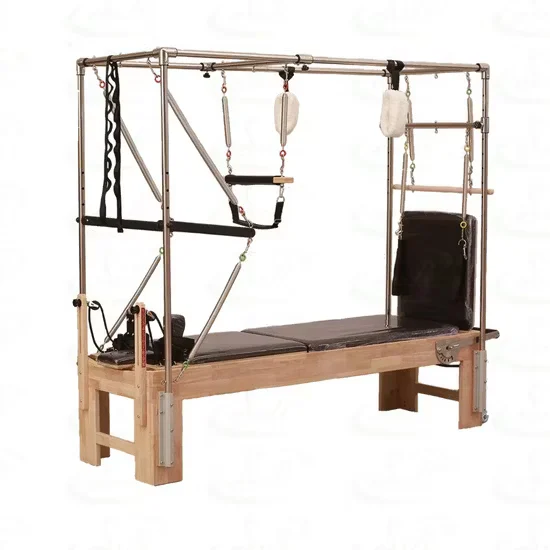
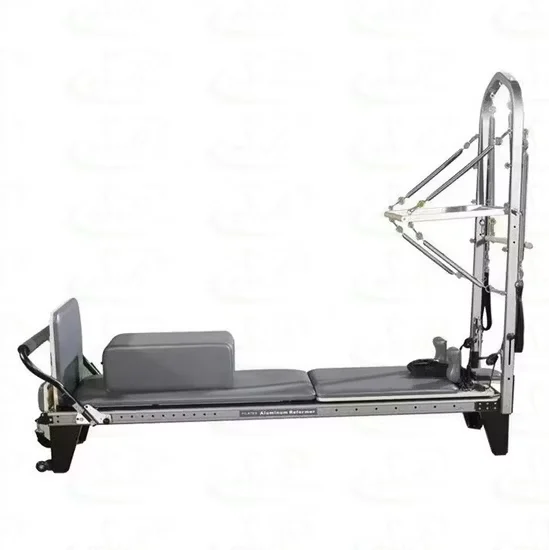
Pilates Reformer with Tower, Aluminum Alloy Frame, 2390×900×1960mm Dimensions — integrated tower system expands vertical and horizontal resistance patterns without separate equipment footprint; includes long box, jump board, and platform for progressive movement training. 120kg net weight supports studio reconfiguration while maintaining structural rigidity for high-traffic commercial environments. Every unit undergoes load testing on carriage, tower attachments, and spring tension systems before shipment.
// Spec Highlights
• Direct from Manufacturer · No Middlemen · Worldwide Shipping
01
// Material
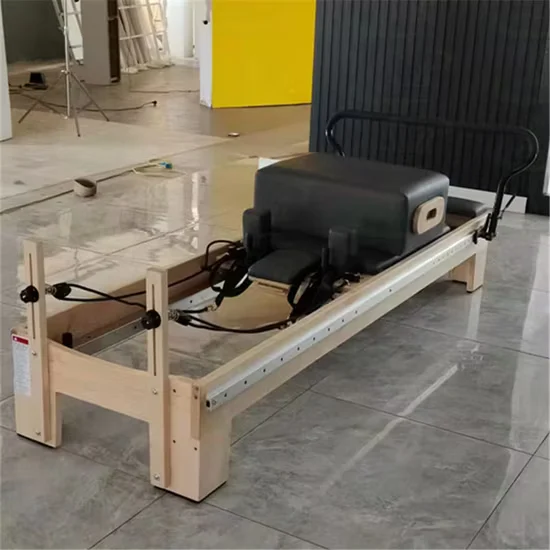
Imported Solid Wood
Premium hardwood frames sourced for density and visual warmth.
02
// Hardware
Medical-Grade Silent
Whisper-quiet pulleys and springs for clinical environments.
03
// Customization
Appearance OEM
Color, upholstery, and branding tailored to your studio.
04
// Service
Layout Design
Free venue planning for studios and rehab institutions.
Every component is selected for longevity, performance, and aesthetic harmony - from imported hardwood frames to silent medical-grade accessories.
// Features
Traceable Aluminum Alloy — Frame material certification traceable to the mill, addressing the studio pain point of vague "commercial grade" claims that lead to structural flex under daily class loads.
| Parameter | Value |
|---|---|
| Product Type | Pilates Reformer with Tower |
| Frame Material | Aluminum Alloy |
| Product Dimensions | 2390×900×1960mm |
| Net Weight | 120kgs |
| Standard Color | Black |
| Included Accessories | Long Box / Jump Board / Platform |
| Warranty | 3 Years |
| Custom Branding | Logo Customized Is Allowed |
| Production Capacity | 80 Pieces/Month |
| HS Code | 9506911900 |
| Facility Type | Typical Use |
|---|---|
| Commercial Pilates Studio | High-frequency group classes requiring rapid carriage reconfiguration and multi-attachment setups |
| Boutique Fitness Facility | Integrated reformer and tower sessions combining mat-based and vertical resistance movement patterns |
| Rehabilitation and Physiotherapy Center | Controlled loading protocols for post-injury mobility and neuromuscular re-education |
| Hotel and Resort Fitness Center | Space-conscious wellness programming where the tower replaces a separate cable station footprint |
| University Movement Science Lab | Teaching environments requiring visible mechanical components for biomechanics instruction |
Verify the alloy grade before the paint color.
When sourcing equipment for a studio that runs six classes a day, the frame specification is the first thing that separates equipment that lasts from equipment that gets replaced. Many reformers arrive on the floor with a spec sheet that simply says "aluminum frame" or "commercial grade," leaving operators blind to whether the carriage rails will hold tolerance under jump board impacts or if the tower uprights will develop lateral play after a year of spring-loaded resistance work. This commercial aluminum alloy Pilates reformer with tower specifies verifiable dimensions and weight, allowing procurement teams to cross-reference material claims against physical delivery. [NEED_CITE: structural material verification standards for commercial fitness equipment]
This unit covers the full spectrum of classical and contemporary Pilates movement patterns, from supine footwork and seated arm series to standing tower work and vertical cable resistance. The integrated tower eliminates the need for a separate wall-mounted spring unit, which matters when a studio is fitting four to eight stations into a single room. The commercial aluminum alloy Pilates reformer with tower pairs naturally with mat stations and small apparatus zones, serving as the primary resistance tool in the floor plan while freeing wall space for mirrors and storage. It suits practitioners ranging from rehabilitation clients requiring light spring tension to advanced movers working heavy resistance through the jump board.
The carriage rail takes the highest cyclic stress in any reformer, enduring thousands of back-and-forth passes per week as practitioners move through footwork, leg circles, and long spine sequences. When a jump board is mounted, the impact forces multiply, sending shock loads through the rail-to-frame connection points and the aluminum alloy extrusion itself. The tower uprights face a different stress profile: sustained lateral pull from spring tension during standing exercises and eccentric loading when a practitioner controls the bar downward against resistance. Over time, the fasteners at the tower base and the pulley anchor points experience the most fatigue cycles. [NEED_CITE: fatigue loading patterns in cyclic-use exercise equipment frames] Sweat exposure in high-humidity studio environments also accelerates corrosion at any untreated joint interface, making the surface treatment and alloy composition relevant to long-term structural integrity.
Aluminum alloy framing in a reformer context offers a specific trade-off: significant weight reduction compared to steel construction, which makes studio reconfiguration between classes manageable, while still providing adequate rigidity for controlled movement work. The product dimensions of 2390×900×1960mm place this unit in the standard full-size reformer category, with the tower height allowing overhead reach exercises and standing cable work. A net weight of 120kgs indicates a substantial build — light enough to reposition for cleaning or floor plan changes, heavy enough to remain stable during dynamic jump board exercises without walking across the floor. The inclusion of a long box, jump board, and platform as standard accessories means the carriage and frame mounting points are engineered for these loads from the outset, rather than adapted after the fact. Powder coating on the aluminum surface protects against cosmetic degradation from cleaning chemicals and sweat contact, though the coating thickness directly determines how long the frame maintains its appearance in a commercial rotation.
When a studio purchases reformers based on aesthetics alone, the structural compromises surface within the first eighteen months of commercial use. Thin-wall aluminum extrusions that flex under jump board loading create a rattling carriage that instructors learn to work around but clients notice immediately. Tower uprights that were not engineered as a single integrated unit with the reformer base develop a wobble that compromises standing balance exercises and creates a safety perception problem. Pulleys mounted on non-sealed hardware seize in humid studio air, requiring weekly maintenance that pulls equipment out of class rotation. Upholstery on the carriage platform that uses low-density foam compresses within a season, leaving practitioners lying on hard substrate and generating client complaints that no amount of instruction can fix. [NEED_CITE: commercial equipment total cost of ownership including maintenance and replacement cycles]
The commercial aluminum alloy Pilates reformer with tower benefits from a manufacturing process that applies commercial strength equipment standards to studio apparatus. Aluminum alloy sourcing is backed by mill certification, meaning the frame material is traceable rather than an anonymous extrusion. Production is supported by CAD-based studio layout planning, so the 2390×900mm footprint is mapped against safe clearance distances between stations, instructor walkways, and emergency egress paths before the first unit ships. OEM customization allows studio branding on the frame, aligning equipment appearance with interior design without aftermarket modification. The three-year warranty on this unit is backed by replacement part availability for springs, pulleys, and upholstery — components that wear predictably in commercial use and must be serviceable without replacing the entire reformer. Every unit undergoes load testing before dispatch, addressing the industry norm where only sample units are tested while production units ship uninspected.
Provide the studio floor dimensions and target station count to receive a 2D-3D layout showing this reformer with tower placed against safe clearance standards and instructor sight lines. Specify the expected daily class volume so the carriage and spring system can be confirmed for the appropriate duty cycle. Confirm the practitioner demographic and body-type range to verify that the included long box and platform accessories cover the full user spectrum. Detail any custom branding requirements, including logo placement and frame color preferences, for integration into the production schedule.
Q: How does aluminum alloy construction compare to steel in commercial Pilates reformers?
A: Aluminum alloy significantly reduces unit weight, making studio reconfiguration between classes practical, while maintaining the rigidity required for controlled reformer movement. Steel frames offer higher absolute load capacity but add weight that makes repositioning difficult. For most studio environments where dynamic heavy loading is rare, aluminum alloy provides the right balance of stability and portability.
Q: What structural factors determine reformer carriage smoothness and long-term durability?
A: Carriage smoothness depends on the rail-to-wheel interface tolerance, the bearing type used in the wheels, and whether the rail alignment is maintained under cyclic loading. Over time, non-sealed bearings accumulate studio dust and sweat residue, increasing friction and wear. A frame that flexes under load will gradually push the rails out of parallel, creating binding that no amount of lubrication can resolve permanently.
Q: How to plan studio layout with tower-equipped reformers for safe clearance and workflow?
A: Each tower-equipped reformer requires lateral clearance for instructor access on both sides and rear clearance for tower exercises that extend beyond the reformer footprint. The 2390mm length plus tower reach means floor plans must account for overhead movement arcs. CAD layout support maps these clearances against total station count and room dimensions before equipment ordering.
Q: What is the replacement cycle for springs, pulleys, and upholstery in high-traffic studios?
A: Springs lose tension calibration based on usage hours and should be tested quarterly. Pulley wheels on non-sealed bearings may require replacement annually in humid environments. Upholstery lifespan depends on foam density and client volume, with commercial-grade foam typically lasting longer under daily class rotation. Replacement part availability at the time of purchase determines whether these are field-serviceable or require factory return.
Q: Can the tower system be retrofitted to existing reformer frames, or is integrated design required?
A: Retrofitting a tower to a reformer not originally engineered for one creates structural compromise at the mounting interface. The connection points must handle lateral spring tension and eccentric practitioner loading, which requires specific frame reinforcement. Integrated design ensures the tower base, fastener pattern, and frame cross-section are matched from the outset, eliminating the play and wobble that retrofits typically introduce.
Premium aesthetics meet quiet operation for boutique studio environments.
Medical-grade silence and precision for sports & postpartum recovery.
Furniture-grade craftsmanship for premium residential installations.
Compact premium setups for one-on-one and small-group training.
Aesthetic Pilates integration for hybrid wellness studio programming.
Multi-unit deployment with instructor-grade reliability for certification programs.
Tell us about your project. Our team will respond within 24 hours with pricing, customization options, and shipping details.
// Sales Director
William
+86 132 2531 1800
// Export Manager
Bella
+86 198 5412 8032
william@bickfit.com